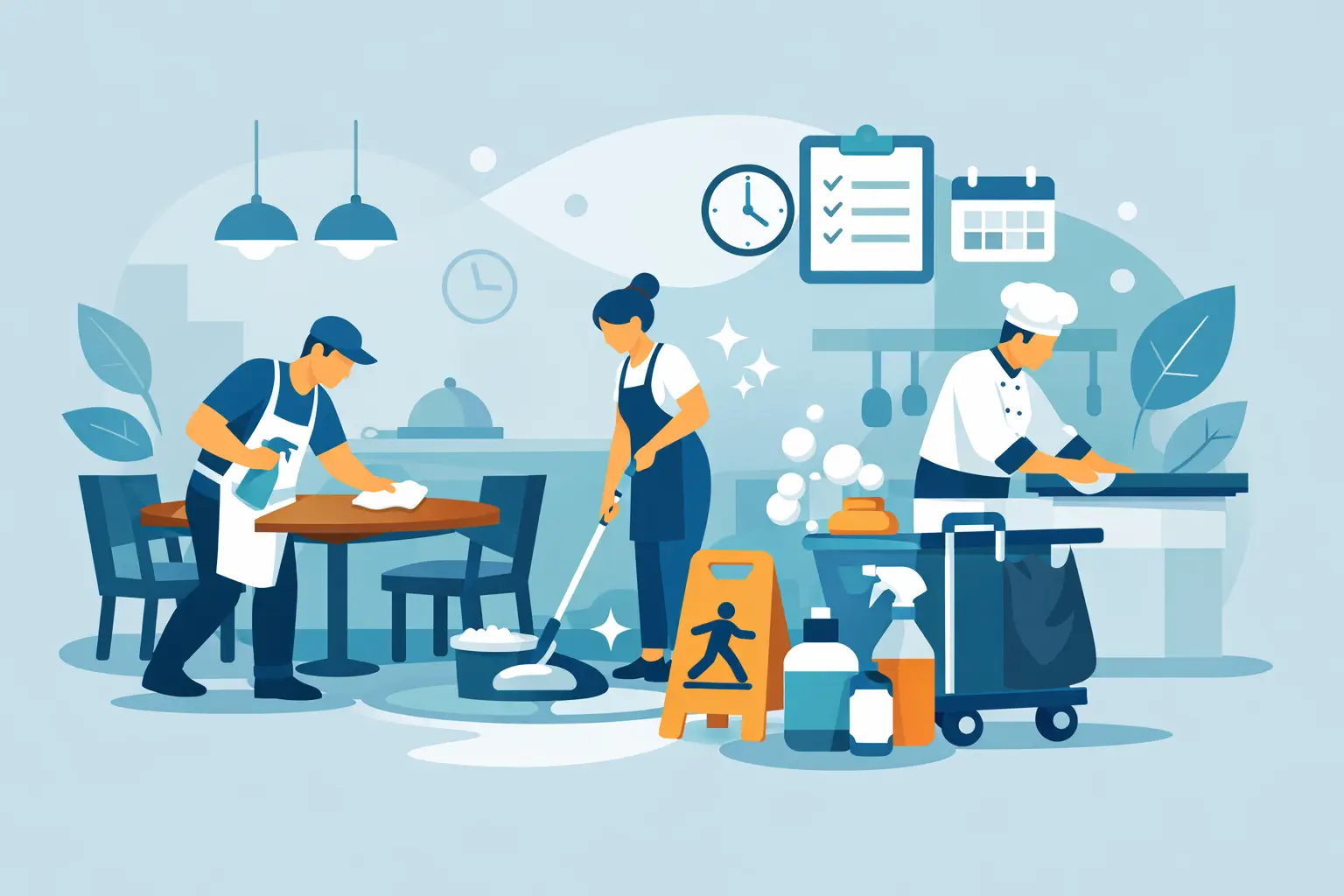
A missed cleaning job in a restaurant rarely stays small for long. Grease builds up, fridge seals trap debris, washrooms start to look tired, and before you know it, standards slip where customers and inspectors can both see it. A solid restaurant cleaning frequency guide helps you stay ahead of that drift by turning cleaning into a routine, not a last-minute scramble.
For restaurant owners and managers, the real challenge is not knowing that cleaning matters. It is knowing what needs doing, how often, and where to focus when the kitchen is busy and the team is stretched. The right schedule protects food safety, keeps the space presentable, and makes service run more smoothly. It also helps you spot the jobs that staff can manage in-house and the areas where a professional deep clean saves time and hassle.
Why a restaurant cleaning frequency guide matters
In hospitality, appearance and hygiene are tied together. A dining room can look polished, but if the back-of-house cleaning is inconsistent, problems show up elsewhere. Odours linger, pests become more likely, equipment performance drops, and small hygiene issues become expensive ones.
Cleaning frequency is not the same for every site. A high-volume takeaway in Central London will need a more aggressive schedule than a small neighbourhood café with limited cooking equipment. The menu matters, footfall matters, and the layout matters too. A restaurant with heavy frying, outdoor bins, customer toilets and long opening hours will naturally need more attention than a coffee shop serving pastries and drinks.
That is why fixed rules only go so far. A useful plan gives you a baseline, then adjusts for your operation.
Restaurant cleaning frequency guide for daily tasks
Daily cleaning covers anything that affects food safety, customer experience, or next-day readiness. If it gets touched constantly, spills regularly, or comes into contact with food, it usually belongs here.
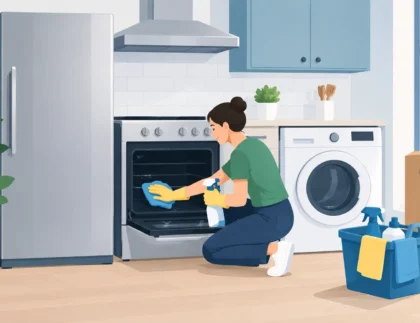
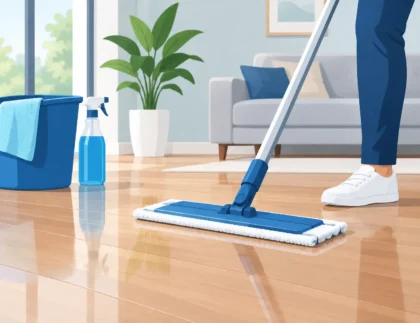
In the kitchen, all food prep surfaces should be cleaned and sanitised throughout service and again at close. Hobs, grills, fryers around the exterior, splashbacks, chopping areas, sinks and taps need daily attention. Floors should be swept and mopped properly at the end of service, not just spot-cleaned. High-contact points such as fridge handles, light switches, door plates and till areas should also be disinfected every day.
Front-of-house needs the same discipline. Tables, chairs, menus, counters, card machines and entrance doors all affect first impressions. If customers can see it or touch it, it should be part of the daily plan. Toilets should be checked multiple times during opening hours and fully cleaned at least once a day, often more in busy venues.
Waste is another daily non-negotiable. Internal bins should be emptied, liners replaced, and bin storage areas checked for leaks or residue. Leaving this until the next morning is where smells and pest issues start.
What should be cleaned weekly
Weekly cleaning is where you deal with the build-up that daily routines often miss. These jobs may not pose an immediate issue after one day, but they quickly become a problem if ignored for several weeks.
This usually includes cleaning behind and beneath movable equipment, descaling sinks and taps where needed, wiping down walls, dusting vents, and giving shelving a more detailed clean. Fridge interiors should be emptied in sections, cleaned thoroughly, and checked for expired stock or spillages. Door seals deserve particular attention because they collect grime faster than many teams realise.
In the dining area, weekly tasks often include skirting boards, less obvious corners, lower wall marks, interior glass, upholstered seating and detailed floor edge cleaning. If you have a bar area, bottle shelves, drip trays and under-counter storage need more than a quick wipe.
Weekly checks also help you decide if your daily routine is strong enough. If grease is already heavy after a few days, the issue is usually not the weekly clean. It means the daily close-down standard needs tightening.
Monthly and periodic deep cleaning
Some jobs need specialist equipment, extra time, or cleaning methods that are difficult to manage during normal service hours. These fall into monthly, quarterly, or periodic deep cleaning.
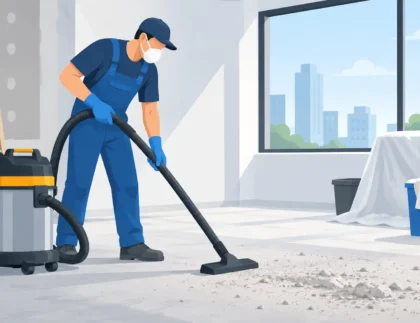
Extractor systems, canopy surrounds, high-level surfaces, deep grease removal, floor machine scrubbing, carpet cleaning in customer areas, internal window cleaning, and hard-to-reach storage zones often belong in this category. Depending on the restaurant type, some of these tasks may need doing more often than monthly.
This is especially true for sites with high grease output. If your kitchen relies heavily on frying or chargrilling, waiting too long for a proper deep clean can affect air quality, safety and staff comfort. Grease does not stay politely in one place. It spreads onto surfaces, settles into vents and clings to areas your team cannot fully tackle during a normal shift.
A professional cleaning company can usually handle these heavier tasks faster and more thoroughly, particularly outside trading hours. That matters when you need the place cleaned properly without disrupting service or asking your staff to stay late after an already demanding day.
Cleaning frequency by restaurant area
Kitchen and food prep zones
These need the highest frequency and the strictest standards. Core surfaces, floors, sinks and touchpoints are daily jobs, often repeated during service. Equipment exteriors should also be cleaned daily, while behind-equipment and deeper degreasing may sit on a weekly schedule. Extraction and high-level deep cleaning are usually periodic and should never be left until there is visible buildup.
Dining areas
Customer-facing spaces need constant light cleaning during opening hours and a full clean at close. Floors, tables, counters and visible glass should be cleaned daily. Upholstery, detailed edge work and mark removal often work best weekly. Carpets and soft furnishings may need periodic professional cleaning depending on traffic.
Toilets
Toilets should be checked and refreshed throughout the day, then fully cleaned daily. In busy restaurants, one full clean is rarely enough on its own. Soap dispensers, cubicle locks, taps, mirrors and floors all affect customer confidence more than many operators realise.
Storage and back-of-house
Dry storage, staff areas and delivery points are easy to neglect because customers do not see them. But poor standards here still create risk. Shelving, corners, doors and floors should be maintained weekly, with stock rotation and spill checks built into daily routines.
How to set the right schedule for your site
The best cleaning schedule is realistic enough to be followed and strict enough to protect standards. If the plan is too vague, tasks get skipped. If it is too ambitious for the team and shift pattern, it becomes paperwork rather than practice.
Start with your busiest pressure points. For most restaurants, that means food prep surfaces, cooking equipment surrounds, floors, toilets and waste areas. Build your daily routine first. Then add weekly and periodic tasks around the areas where residue builds more slowly or where access takes longer.
It also helps to assign ownership clearly. “Kitchen to clean at close” sounds fine on paper but often fails in real life. “Chef to sanitise prep counters, clean grill exterior and mop line floor before sign-off” is much harder to ignore.
You should also review the schedule seasonally. Summer heat, higher customer numbers and longer opening hours often mean bins, washrooms and floors need more attention. Winter brings its own issues, especially with wet entrances and tracked-in dirt.
When in-house cleaning is not enough
Most restaurant teams can manage daily hygiene well when the routine is clear and the workload is reasonable. But there comes a point where specialist help is the practical choice, not a luxury.
If your staff are constantly staying behind to tackle grease, if front-of-house still looks tired after regular cleaning, or if your kitchen has too many hard-to-reach problem spots, outside support can make a real difference. The same applies after refurbishments, before inspections, or when standards have slipped and need resetting quickly.
For London restaurants, flexibility matters. Cleaning often needs to happen early, late, or around awkward trading hours. A reliable commercial cleaning team can work around service and target the areas that standard close-down routines cannot fully cover. That is where a company like The Ultimate Cleaners can take pressure off managers and help keep standards consistent without making the day-to-day operation harder.
Common mistakes that throw off cleaning frequency
One of the biggest mistakes is treating all areas the same. They do not carry the same risk, and they do not get dirty at the same pace. Another is relying on visual checks alone. A surface can look passable and still need proper sanitising.
There is also the temptation to push deep cleaning back when trade is busy. That may feel efficient in the short term, but it usually creates a larger job later. Dirt that is easy to remove this week can become stubborn, time-consuming and more costly next month.
A good schedule is not about making the cleaning list longer. It is about making it smarter, so your team handles the right tasks at the right time.
If you run a restaurant, the goal is simple: clean often enough that hygiene problems never get the chance to settle in. When your frequency is right, the whole place feels easier to manage, from the kitchen line to the front door.