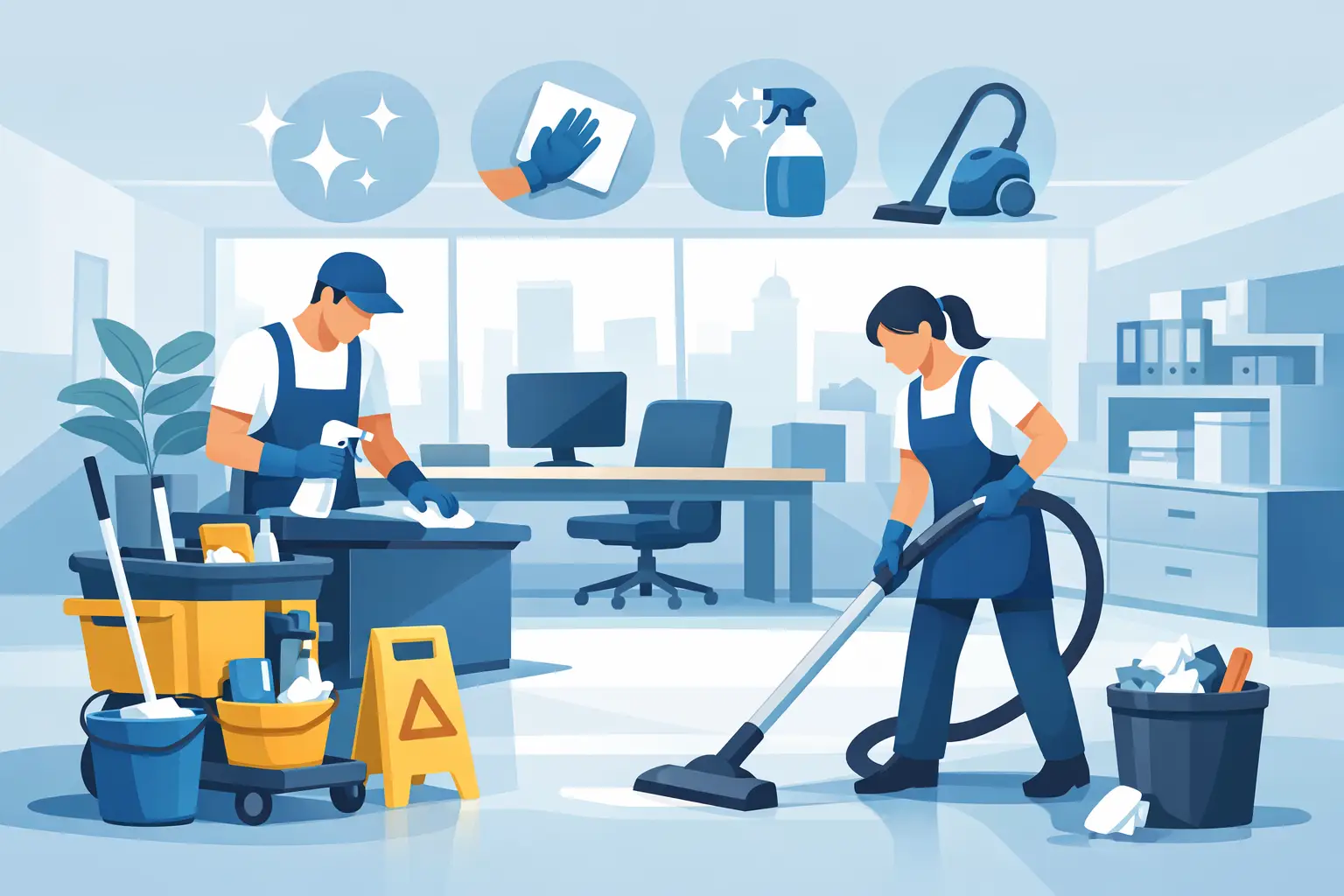
Monday morning usually tells the truth about an office. Fingerprints on the glass, coffee rings in the kitchen, crumbs in the keyboard, bins already full – it does not take long for a workspace to feel tired. The best office cleaning tasks are the ones that stop that slide early, protect hygiene, and keep the place looking sharp without disrupting the working day.
For office managers and business owners, the challenge is not simply cleaning more. It is cleaning the right things at the right frequency. Some tasks affect first impressions, some affect staff wellbeing, and some quietly prevent bigger problems such as stained carpets, unpleasant odours, pest issues, or shared areas nobody wants to use. A smart cleaning plan focuses on what matters most in a real working office.
What makes the best office cleaning tasks?
The best tasks tend to have three things in common. They improve hygiene, they are visible to staff and visitors, and they prevent wear and tear that becomes expensive later. That means it is not only about polishing a reception desk. It is also about dealing with overlooked spots like door handles, lift buttons, kitchen cupboard pulls, and the fabric chairs people use every day.
It also depends on your office. A small design studio with ten people will not need the same schedule as a busy open-plan office with client meetings all day. A workplace with a shared kitchen and multiple toilets needs more frequent attention than one where most staff are hybrid and only come in a few days each week.
1. Desk area cleaning and touchpoint disinfection
Desks collect more than paperwork. Dust, food crumbs, drink splashes and bacteria build up quickly, especially where hot-desking is common. Wiping desks, monitors, telephones, keyboards, and armrests makes an immediate visual difference and helps reduce the spread of germs in shared work areas.
This task works best when handled with a bit of care. Not every desk should be treated the same way, because electronics and personal items need sensible handling. In many offices, the right approach is to clean visible surfaces daily and do a more detailed wipe-down on a scheduled basis, especially for shared stations and meeting room equipment.
2. Washroom cleaning that never gets left behind
If one area shapes staff opinion fast, it is the washroom. People notice soap residue, empty dispensers, unpleasant smells, and dirty floors straight away. Proper washroom cleaning includes toilets, urinals, sinks, taps, mirrors, cubicle doors, bins, and restocking paper products and soap.
This is one of the best office cleaning tasks because it affects hygiene, comfort, and reputation all at once. In a client-facing workplace, poor washroom standards can damage trust in the business itself. In a staff-only office, they can still create complaints and a sense that the building is not properly managed.
3. Kitchen and break room cleaning
Office kitchens go downhill quickly. A few unwashed mugs, a sticky microwave handle, an overflowing bin, and a fridge with mystery leftovers can turn a useful space into one people avoid. Cleaning worktops, sinks, cupboard fronts, tables, appliances, and flooring keeps the area pleasant and reduces the chance of bad smells and bacteria build-up.
Fridge checks matter more than many teams expect. If nobody owns the job, old food gets left too long and the kitchen starts to feel neglected. In high-use offices, daily attention is usually worth it. In quieter workplaces, a less frequent deep clean may be enough, but it should still be regular and consistent.
4. Floor cleaning for carpets, hard floors and entrances
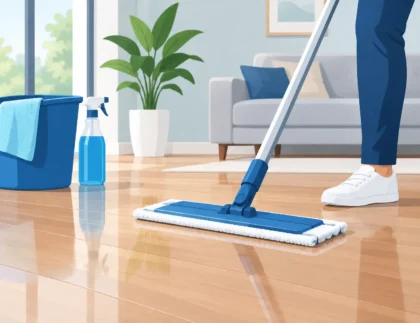
Floors take the brunt of office traffic, especially near entrances, printers, kitchens, and meeting rooms. Vacuuming carpets, mopping hard floors, and spot-cleaning marks keep the office looking professional and stop dirt being carried into other areas.
Entrance flooring is especially important in London offices, where rain, dust and street grime come in fast. If that section is ignored, the rest of the office never really looks clean. Regular carpet care also protects the life of the flooring. Leaving stains and grit in place for too long can make replacement more likely and more costly.
5. Bin emptying and waste management
It sounds basic, but bin management is one of the tasks that most quickly affects how a workplace feels. Overflowing bins in desks, kitchens, toilets and meeting rooms create odours, attract pests, and make the office look poorly run.
The better approach is not just emptying bins but doing it properly. Liners need replacing, surrounding areas should be checked for spills, and recycling points should be kept tidy rather than becoming a dumping ground for coffee cups and cardboard. This is one of those jobs people only notice when it has not been done.
6. Meeting room and reception area presentation
Reception and meeting rooms carry a lot of weight. They are where first impressions happen, whether you are welcoming clients, candidates, suppliers or senior visitors. Dusting surfaces, polishing glass, straightening furniture, sanitising shared equipment, and keeping floors spotless all help these spaces feel organised and professional.
These are also areas where small details matter. Smudged glass doors, dusty skirting boards or marks on the conference table can make the room feel neglected even if the rest of the office is acceptable. If meetings happen often, these spaces need more frequent checks than back-office areas.
7. High-touch point cleaning throughout the office
Some of the best office cleaning tasks are the least glamorous. Door handles, light switches, bannisters, lift buttons, entry systems, kettle handles and shared printer controls are touched constantly but often missed in quick cleans. They are not always visibly dirty, but they matter for hygiene.
This kind of cleaning became a bigger priority for obvious reasons, and it still deserves a place in routine office care. In busy workplaces, high-touch points may need sanitising more than once a day. In smaller offices, once daily may be enough. The right frequency depends on traffic, layout and how many surfaces are shared.
8. Dusting vents, ledges and overlooked surfaces
Dust has a habit of settling where nobody looks until it becomes obvious. Window sills, skirting boards, shelving tops, air vents, blinds, radiators and behind monitors are easy to miss during rushed cleans. Yet once dust builds up, the whole office can feel stale.
This task is especially useful for workplaces that want a cleaner, fresher environment rather than just a surface-level tidy-up. It can also help staff who are sensitive to dust. Not every office needs this done daily, but it should be built into a routine rather than treated as an occasional extra.
9. Glass and internal window cleaning
Glass shows everything. Smears, fingerprints and dust around internal partitions can make even a modern office look scruffy. Cleaning internal glass, door panels and partition screens brightens the space and helps light move through the office properly.
This matters more in offices with reception glazing, boardrooms, or partitioned layouts. If your workplace uses lots of glass as part of its design, keeping it clear is not a finishing touch – it is part of basic presentation. It also supports a better experience for staff, because cleaner glass makes the whole space feel lighter.
10. Periodic deep cleaning tasks that stop problems building up
Daily and weekly cleaning keeps an office presentable, but some tasks need a deeper approach. Carpet shampooing, upholstery cleaning, detailed washroom descaling, deep kitchen cleaning, and cleaning behind heavy furniture all help reset the workplace and deal with grime that routine cleaning cannot fully remove.
These jobs are easy to postpone because they are less visible in the short term. The trouble is that postponing them too long often leads to stronger odours, permanent staining, worn-looking surfaces and more disruption later. A sensible office cleaning plan mixes routine upkeep with periodic deep cleaning, so standards do not slowly slip.
How often should the best office cleaning tasks be done?
There is no single answer, because office cleaning depends on occupancy, layout, footfall and the kind of work being done. A law firm with regular client meetings may prioritise reception, meeting rooms and washrooms. A creative studio with shared desks and lots of food deliveries may need more focus on workstations, bins and kitchen hygiene.
As a general rule, washrooms, kitchens, bins, floors in busy zones, and high-touch points usually need daily attention. Desks, glass, and meeting rooms may also need daily or near-daily cleaning in active offices. Deep cleaning tasks are usually better handled weekly, monthly, or on a planned schedule that matches how fast wear builds up.
Why outsourcing office cleaning often works better
Many businesses try to split cleaning tasks between staff and ad hoc support. It can work for very small teams, but standards often become inconsistent. People are busy, nobody wants to own unpleasant jobs, and key areas get missed.
A professional cleaning service brings structure. Tasks are scheduled properly, supplies are managed, and cleaning standards are easier to maintain across the week. For businesses across London, that can mean less hassle for office managers, fewer complaints from staff, and a workplace that feels ready for business every day. The Ultimate Cleaners supports offices that want that balance of reliability, flexibility and straightforward service without making cleaning another internal admin problem.
The right office cleaning routine should make life easier, not more complicated. If a workspace feels fresher, staff are more comfortable, and visitors get the right impression the moment they walk in, the cleaning plan is doing its job.