
A deep clean works best when the cleaners can actually reach the areas that need attention. If floors are covered, surfaces are crowded, and key rooms are blocked by everyday clutter, even the most thorough team ends up spending valuable time moving things rather than cleaning them. That is why knowing how to prepare for a deep clean makes such a difference.
Whether you are getting your home ready for a seasonal refresh, preparing a rental property between tenants, or organising a commercial space that needs a proper reset, the aim is simple. Clear the way, set expectations, and make it easy for the job to be done properly. A little preparation can mean better results, less disruption, and no last-minute stress.
How to prepare for a deep clean before the day
The best preparation starts with being clear about what kind of clean you need. Deep cleaning is not the same as a quick tidy-up or a standard weekly visit. It usually means extra attention to neglected areas such as skirting boards, inside cupboards, behind furniture, limescale build-up, kitchen grease, bathroom grime, and other spots that do not get tackled often.
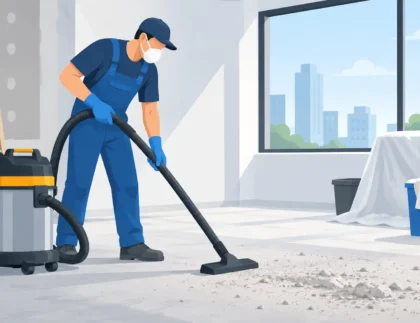
Before the appointment, walk through the property and identify the rooms that matter most. If there are specific issues, such as mould in the bathroom, heavy grease in the kitchen, pet hair in carpets, or dust after building work, make a note of them. This helps avoid confusion on the day and makes sure the right time and equipment are allowed for.
It also helps to think practically about access. If the cleaners are expected to work in a spare room that has become a storage area, or in an office where paperwork is stacked across desks, that slows everything down. A deep clean is most effective when the space is ready to be cleaned, not still waiting to be sorted.
Declutter first, but do not overthink it
One of the biggest mistakes people make is leaving all the decluttering for the cleaning team. Cleaners can work around some belongings, of course, but if every worktop, chair, bedside table, and floor corner is covered, there is only so much proper cleaning that can happen.
You do not need to create a showroom. You just need to remove the obvious obstacles. Put away clothes, paperwork, toys, cables, loose shopping bags, and anything else that is sitting on floors or surfaces for no real reason. In kitchens and bathrooms, clear the areas that are meant to be cleaned. If products, toothbrushes, small appliances, and decorative items are left everywhere, the result is often slower work and missed detail.
If time is tight, focus on the rooms getting the most attention. In most homes, that means the kitchen, bathrooms, hallways, and main living areas. In commercial settings, it may be entrance areas, workstations, washrooms, staff kitchens, or customer-facing spaces. Perfect organisation is not the goal. Practical access is.
Protect valuables and personal items
A professional cleaning service will always aim to work carefully, but preparation still matters. Small valuables, important documents, jewellery, cash, and sentimental items are best stored away before the clean begins. The same goes for anything fragile that could be knocked while furniture is being cleaned around or while equipment is moving through the property.
This is especially important in busy London households where space is limited and surfaces often double up as storage. If you have private paperwork, chargers, medications, keys, or small electronics left out, put them in a drawer, cupboard, or designated safe spot. It keeps your space organised and gives everyone peace of mind.
For commercial sites, secure confidential files and make sure staff know what will be cleaned. Desks, reception counters, treatment rooms, and shared kitchens all need slightly different preparation depending on the business. In offices and medical or retail spaces, a few minutes spent securing essentials can save a lot of disruption later.
Make access easy
If you want a deep clean to run smoothly, think through the practical details before the team arrives. That means making sure someone can get in, parking or building access instructions are clear, and any entry codes or alarm information have been shared in advance where needed.
Inside the property, move lightweight furniture or portable items only if you are comfortable doing so. Dining chairs, laundry baskets, small rugs, pedal bins, and plant stands are common examples. There is no need to attempt anything heavy or awkward. If something large needs cleaning behind or around it, mention it ahead of time so expectations are clear.
Pets should also be considered. Friendly or not, they can become stressed by noise, strangers, or open doors. If possible, keep them in a separate room or arrange for them to be out during the clean. The same goes for young children if you are booking an intensive whole-house service. A deep clean involves movement, equipment, and focused work, so less interruption usually means a better result.
Know what to leave and what to remove
People often ask whether they should strip beds, empty cupboards, or remove everything from kitchen units. The answer depends on what has been booked. If the deep clean includes inside appliances, cupboards, or wardrobes, then yes, emptying those areas in advance is usually the best move. If not, there is no need to create extra work for yourself.
This is where communication matters. Some clients want a full top-to-bottom clean before moving in or out. Others need a lived-in home refreshed, with attention on bathrooms, kitchens, floors, and dusting. In commercial properties, one deep clean might focus on washrooms and communal areas, while another includes carpet care, windows, or post-construction residue. The more specific the brief, the easier it is to prepare the right way.
If you are unsure, ask what is included and prepare only those areas. That keeps the process efficient and avoids the frustration of clearing out spaces that were never part of the job.
Supplies, products, and special requests
If you are using a professional cleaning company, they will often bring the necessary products and equipment. Still, it is worth checking in advance, particularly if you have preferences around eco-friendly cleaning, fragrance-free products, or safe options for children, pets, or sensitive environments.
Some properties also have special surfaces that need care. Natural stone, untreated wood, delicate flooring, brass fixtures, or high-end appliances may require a gentler approach. If there is anything you would not want treated with standard cleaning products, say so before the appointment rather than during it.
The same applies if there are areas that need extra caution or are off-limits altogether. A clear note at the start is far better than trying to redirect the job halfway through.
How to prepare for a deep clean in kitchens and bathrooms
Kitchens and bathrooms usually need the most preparation because they collect the most build-up. They are also the rooms where cleaners can make the biggest visible difference.
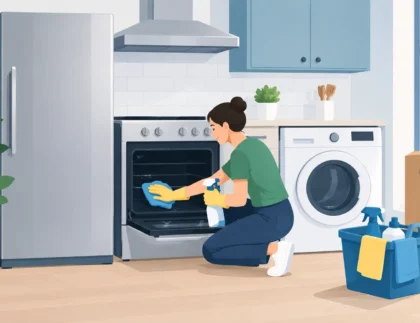
In the kitchen, wash or put away dishes, clear worktops as much as possible, and empty the fridge or oven only if those interiors are included in the service. Remove tea towels, food packaging, and any rubbish that would get in the way. If there are strong odours, overflowing bins, or food waste that has been sitting for a while, deal with those first. Deep cleaning and basic waste removal are not quite the same task.
In bathrooms, clear toiletries from around the sink, bath, and shower if those areas are being thoroughly cleaned. Put away razors, cosmetics, and personal items. If there is heavy limescale, soap residue, or mildew, mention it in advance. A cleaner can tackle these issues, but the time needed may vary depending on the condition.
Set realistic expectations
A deep clean can transform a property, but it is not magic. Staining, permanent discolouration, damaged grout, old sealant, worn carpets, and long-term neglect do not always come back to like-new condition. Good cleaners will improve what can be improved and be honest about what is beyond cleaning and more in the territory of repair or replacement.
That is why it helps to focus on outcomes rather than fantasies. A properly prepared property gives the cleaning team the best chance to work thoroughly and efficiently. It also means fewer surprises on the day.
For busy households and workplaces, this is often the real win. You are not just booking a clean. You are creating a fresh, workable space without wasting time on avoidable hold-ups. Companies like The Ultimate Cleaners see this every day across London – when the property is ready, the result is stronger from the start.
If you want your deep clean to feel worth every penny, do the simple prep first. Clear the clutter, secure the essentials, communicate the priorities, and let the cleaners focus on the job you actually need done.