
Getting an end of tenancy cleaning review right can make the difference between a smooth handover and a long argument over your deposit. Most tenants do not lose money because a place is wrecked. They lose it over overlooked details – grease on the hob, limescale in the bathroom, dust on skirting boards, or a carpet that looked fine until the light hit it properly.
That is why end of tenancy cleaning needs a more critical eye than a regular weekly tidy-up. You are not cleaning for yourself. You are cleaning for a landlord, a letting agent, or an inventory clerk who is comparing the property against a check-in report and looking closely at condition, presentation, and hygiene.
What an end of tenancy cleaning review should actually cover
A proper review is not just asking whether the place looks clean at first glance. It should consider whether the property is ready for the next occupant and whether the standard matches what was agreed at the start of the tenancy. That usually means looking beyond surfaces.
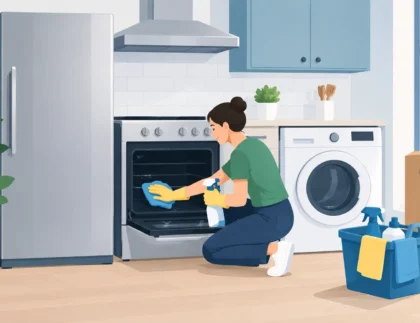
In the kitchen, the obvious trouble spots are ovens, extractors, splashbacks, cupboard fronts, and inside cabinets. A worktop can be spotless while the extractor filter is thick with grease. A sink can shine while limescale sits around the taps. Those are the details that often trigger complaints.
Bathrooms are another common sticking point. Landlords and agents notice mould, soap residue, watermarks, and scale build-up very quickly. The area behind the toilet, the grout lines, the shower screen, and the edges around taps all matter more than many tenants expect.
Living spaces and bedrooms are usually simpler, but they still need attention. Dust on skirting boards, marks on internal doors, cobwebs in corners, dirty switches, and smudged mirrors all count. If carpets are part of the tenancy, their condition matters too, especially where there are stains, pet odours, or high-traffic wear near entrances.
Why reviews matter more at the end of a tenancy
End of tenancy cleaning sits in a different category from routine domestic cleaning because the standard is judged in a formal context. There is often paperwork behind it, time pressure around move-out day, and money on the line. That changes what “clean enough” means.
A tenant might be happy with a quick polish and vacuum because the home feels presentable. An agent doing a final inspection is asking different questions. Are appliances cleaned inside and out? Are cupboards empty and wiped? Are windows internally clean? Is there evidence of neglect in places that were easy to miss during daily living?
This is where people get caught out. They clean what they see every day and skip what they stopped noticing months ago. Grease, dust, hard water residue, and hidden grime build up gradually. By moving day, the property can feel tidy but still fail a close review.
End of tenancy cleaning review: DIY or professional?
This depends on the size of the property, the condition it is in, and how much time you realistically have. Some tenants can handle a small studio themselves if it has been well maintained and the inventory expectations are straightforward. Others are trying to leave a family house after years of occupation, with carpets, appliances, and bathrooms that need far more than a basic once-over.
DIY cleaning can save money upfront, but it costs time and energy. It also depends on having the right products, enough patience, and a clear checklist. If you miss key areas, the savings can disappear quickly if deductions are made later.
Professional cleaning is often the safer route when the property needs a deep clean, when there is limited time between moving out and key return, or when a tenant simply wants peace of mind. A good cleaner will work to a structured standard, focus on the detail that inspections pick up, and make the process less stressful. That matters a lot in London, where move-out schedules are tight and properties turn over fast.
What landlords and letting agents usually notice first
The first few minutes of an inspection often shape the overall impression. If a property smells fresh, looks bright, and feels well cared for, that helps. If the kitchen has grease, the bathroom has scale, or the floors still carry dust and debris, confidence drops straight away.
Landlords and agents tend to notice kitchens and bathrooms first because they show neglect fastest. They also pay attention to anything that will affect the next tenant immediately – fridges, ovens, toilets, sinks, flooring, and windows. Marks on walls may not always be a cleaning issue, but dirt around edges, switches, handles, and frames usually is.
They also notice consistency. If one room is immaculate and another is rushed, it stands out. End of tenancy cleaning works best when the whole property is brought up to the same standard, rather than a few visible areas getting all the attention.
Common reasons an end of tenancy clean gets marked down
The biggest issue is not usually one dramatic failure. It is a collection of small misses. Oven racks left dirty, crumbs inside drawers, dust on radiators, mould around sealant, fingerprints on glass, and hair caught in bathroom corners all add up.
Another common problem is assuming that wear and tear and dirt are the same thing. They are not. A worn carpet may not be your responsibility in the same way as a stained carpet. A scratched hob is different from a greasy hob. Knowing that distinction helps, but it does not remove the need to leave the property properly cleaned.
Timing can also cause problems. If cleaning happens before furniture is removed, hidden dust and marks may be left behind. If it happens too early, people walking in and out during the move can undo the work. Ideally, the property should be empty and cleaned as the final job before handover.
How to judge whether a cleaning service is worth it
If you are booking help, do not just look at the cheapest quote. End of tenancy cleaning is one of those jobs where a low price can mean corners are cut. The better question is what is actually included.
A worthwhile service should be clear about room-by-room tasks, whether oven cleaning is included, whether carpet cleaning is separate, and how long the job is likely to take. There should also be a sensible approach if something is not up to standard after inspection. A satisfaction guarantee is reassuring because it shows the company is prepared to put things right rather than vanish once payment is made.
This is where local experience helps. A London cleaning team that handles move-out cleans regularly understands the pace of the rental market, the expectations of agents, and the practical challenge of getting a property ready on deadline. The Ultimate Cleaners, for example, positions its service around thoroughness, responsive booking, and making a stressful job easier – which is exactly what most tenants and landlords need at handover.
A practical way to review your property before handover
Walk through the property as if you have never seen it before. Open cupboards. Look at the top of doors. Check behind taps and around plugholes. Stand at the entrance of each room and scan at eye level for smears, dust, or uneven results.
Then check the places people forget: inside the fridge, behind the bin, under the bed area if furniture remains, around hinges, along skirting boards, and on light fittings that can be safely reached. If the property has blinds, windows, or internal glass panels, look at them in daylight rather than under artificial lighting.
It also helps to compare the finish with the check-in condition as closely as possible. You are not aiming for a showroom fantasy. You are aiming for a property that is hygienic, presentable, and fairly returned.
The real value of a good review
A solid end of tenancy cleaning review is not about chasing perfection for its own sake. It is about reducing friction. For tenants, that means a better chance of getting the deposit back without a dispute. For landlords, it means a property that can be re-let faster. For agents, it means fewer complaints and smoother turnover.
The job is easy to underestimate because cleaning sounds simple until a move-out deadline arrives. Then every missed detail starts to matter. If you are honest about the condition of the property, realistic about your time, and focused on inspection-level detail, you give yourself a much better chance of a clean exit.
When in doubt, think like the next person walking through the door. If the place feels fresh, complete, and ready to use, you are on the right track.