
Spring cleaning usually goes wrong before the first cloth comes out. You set aside a Saturday, open a cupboard, find three half-used sprays, a tangle of carrier bags, and a hallway full of things that need “sorting later” – and suddenly the whole job feels bigger than it should. If you want to know how to prepare for spring cleaning, the trick is not to start scrubbing straight away. It is to make the job smaller, clearer, and easier to finish.
A proper spring clean should leave your home feeling lighter, not leave you worn out and surrounded by piles. The same applies in a workplace. Whether you are freshening up a family home, getting a rental ready, or bringing an office back under control after a busy winter, a bit of preparation saves hours of wasted effort.
Why preparation matters before you start
Most people think spring cleaning is about effort. In reality, it is mostly about order. If your products are scattered, your cupboards are overfilled, and every room has things that belong somewhere else, you spend more time moving objects around than actually cleaning.
Preparation also helps you avoid the classic mistake of aiming too high. A full deep clean of a house or flat can be a big job, especially in London where space is tight and storage is limited. If you live in a busy household, work long hours, or manage a commercial space with constant footfall, you need a realistic plan, not a heroic one.
When you prepare properly, you can decide what needs attention now, what can wait, and where professional help would genuinely make life easier.
How to prepare for spring cleaning without making it harder
The first thing to do is decide what “spring cleaning” means for your property. For one person, that means washing skirting boards, descaling taps, and clearing kitchen grease. For another, it means decluttering wardrobes, cleaning carpets, and tackling windows. There is no point building a long checklist copied from somewhere else if half of it does not apply to your space.
Walk through your home or premises room by room and be honest. Look for what is visibly dirty, what has been ignored for months, and what always gets postponed. Kitchens and bathrooms tend to need the deepest work, while bedrooms and living spaces often need more tidying and dust removal than heavy-duty cleaning. In offices, shared kitchens, washrooms, desks, and touchpoints usually matter most.
Write down your priority areas. Keep it simple. If everything feels urgent, pick the places that affect daily life the most. A clean kitchen, hygienic bathroom, and dust-free bedroom will make a bigger difference than spending half a day rearranging a loft cupboard.
Start with decluttering, not cleaning
This is the step people skip, and it is usually the reason the whole job drags on. You cannot properly clean around clutter. If surfaces are covered, floors are blocked, and cupboards are stuffed with things you do not use, you are only cleaning the visible gaps.
Before your spring clean, remove obvious rubbish, recycle what you can, and set aside items to donate or put away elsewhere. You do not need a full minimalist overhaul. You just need enough clear space to clean thoroughly.
In family homes, focus on high-traffic zones first – hallways, kitchen counters, dining tables, and bathroom shelves. In rented properties, pay attention to cupboards, appliances, and storage areas that are easy to ignore until inspection time. In commercial spaces, clear desks, back rooms, and stock areas enough for proper access.
Gather your supplies in one place
Nothing breaks momentum faster than stopping every ten minutes to look for bin bags or a clean microfibre cloth. Before cleaning day, put your supplies together in a caddy, basket, or bucket that you can carry from room to room.
For most spring cleaning jobs, you do not need a huge collection of products. A good all-purpose cleaner, disinfectant for appropriate surfaces, glass cleaner, limescale remover, cloths, sponges, gloves, bin bags, a vacuum, and a mop will cover most of the work. If you prefer eco-friendly products, make sure they are suitable for the surfaces you are cleaning and strong enough for the job. Gentler products are a good choice in many homes and workplaces, but heavy grease, ingrained bathroom build-up, or post-building dust may need more specialised treatment.
Check your equipment as well. Replace worn sponges, empty the vacuum, and make sure the mop head is actually clean. It sounds obvious, but a surprising number of people start deep cleaning with tools that are already dirty.
Plan your time properly
One reason spring cleaning gets abandoned halfway through is poor timing. If you try to clean the whole property in one stretch with no plan, you are likely to run out of energy before you finish the important parts.
A better approach is to break the job into manageable blocks. You might do the kitchen and bathroom on one day, bedrooms on another, and windows or carpets separately. If you only have a few hours, focus on one zone and complete it properly rather than starting four rooms and finishing none.
For busy professionals, landlords between tenancies, or business owners preparing for inspections or seasonal demand, outsourcing part of the job can be the practical option. There is no prize for struggling through a deep clean when the time cost is higher than the cleaning bill.
Decide what you can do yourself and what needs help
Some spring cleaning tasks are straightforward. Wiping surfaces, vacuuming, washing tiles, and reorganising cupboards are manageable for most people. Other jobs take more time, skill, or equipment than expected.
Carpet cleaning is a good example. Surface vacuuming helps, but proper deep cleaning can make a noticeable difference to smell, stains, and overall freshness. Window cleaning can also be trickier than it looks, especially in taller properties or offices. Post-construction dust, move-out cleaning, and commercial deep cleans often need a more methodical approach because the standard is higher and the margin for missed areas is smaller.
If you are preparing a property for new tenants, guests, staff, or customers, it makes sense to think in terms of results rather than effort. Clean is not just about appearance. It is about hygiene, presentation, and peace of mind.
Room-by-room prep that saves time later
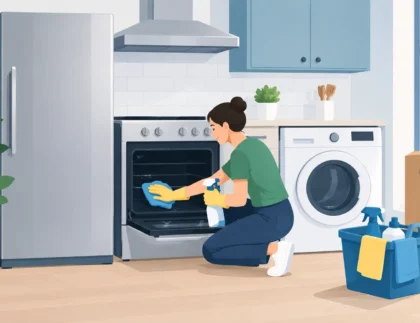
In the kitchen, empty expired food, clear worktops, and take out anything stored on top of cupboards or the fridge. If you plan to clean the oven or fridge, use up food in advance so you are not moving chilled items from place to place.
In the bathroom, remove toiletries from edges, shelves, and the bath so limescale and soap residue can be reached properly. Put clean towels aside so you are not searching for them after everything is wet.
In bedrooms, strip the bed first and wash bedding while you clean. Clear floors enough to vacuum under furniture if possible. Wardrobes do not need a full refit unless they are part of your goal.
In living rooms, gather anything that belongs elsewhere before you start dusting. Soft furnishings, lampshades, and skirting boards tend to hold more dust than people realise over winter.
For offices and shared commercial spaces, ask staff to clear desks and remove personal items in advance. That single step can make a professional clean faster and more thorough.
Do not forget the hidden jobs
A spring clean feels worthwhile when it includes the places that standard weekly cleaning misses. Light switches, door handles, radiator tops, behind furniture, extractor fans, and inside cupboards all collect dust and grime slowly enough to go unnoticed.
That said, not every hidden job has equal value. If you are short on time, focus on the areas that affect hygiene, air quality, or daily comfort. A dusty blind in the spare room can wait. A greasy cooker hood or mould-prone bathroom seal should not.
This is where being realistic matters. Deep cleaning every inch of a property is possible, but it is not always necessary. Sometimes a targeted spring clean gives you the result you want without turning the week upside down.
Make disposal and laundry part of the plan
People often plan the cleaning but forget the aftermath. If you are decluttering, know where donation bags, recycling, and general waste are going before you begin. If you are washing curtains, cushion covers, or bedding, check drying space as well. In smaller London homes and flats, laundry can quickly take over the space you have just cleared.
The same goes for commercial settings. If cleaning needs to happen around trading hours, deliveries, or staff access, timing matters. A good plan reduces disruption as much as it improves cleanliness.
When booking a professional spring clean makes sense
There are times when preparing for spring cleaning also means deciding not to do all of it yourself. If the property is large, the dirt has built up over time, or you need a dependable result by a certain date, bringing in professionals can remove a lot of pressure.
That is especially true for end of tenancy work, post-renovation dust, busy family homes, and workplaces that need to stay presentable without losing staff time to cleaning jobs. A company like The Ultimate Cleaners can handle the deeper, more time-consuming tasks while you focus on everything else competing for your attention.
Spring cleaning does not need to become a full-scale ordeal. A clear plan, a bit of sorting, and the right level of help can turn it into one solid reset instead of a weekend-long headache. Start with access, priorities, and timing, and the actual cleaning becomes far more manageable.