
That sharp chemical smell after a clean does not always mean a better result. More often, it means stronger residue, more irritation, and a room that feels clean but not especially pleasant to live or work in. The best eco-friendly cleaning methods do the opposite – they remove dirt properly, reduce waste, and leave your space fresher without turning every routine clean into a chemical overload.
For London homes and commercial spaces alike, eco-friendly cleaning is less about trendy products and more about smarter habits. If you are managing a busy household, preparing a rental for new tenants, or keeping an office presentable through constant footfall, the goal is the same: reliable results without unnecessary environmental impact.
What makes the best eco-friendly cleaning methods work?
A good eco-friendly method should do three things well. It should clean effectively, limit harsh ingredients, and reduce avoidable waste. If one of those is missing, the method is probably more marketing than substance.
That is where people sometimes get caught out. A green-labelled spray in a plastic bottle is not automatically better if it is overused, shipped excessively, or no more effective than a diluted concentrate or a simple microfibre system. On the other hand, old-school methods are not always ideal either. Vinegar and bicarbonate of soda have their place, but they are not magic answers for every surface.
The best approach is practical. Use the least aggressive solution that still gets the job done, match the product to the surface, and build habits that cut waste before you even start scrubbing.
1. Microfibre cleaning with less product
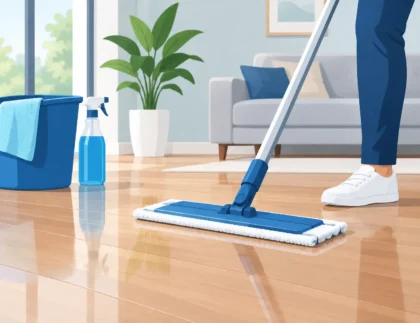
One of the best eco-friendly cleaning methods is also one of the simplest: clean with high-quality microfibre cloths and mop heads, using far less liquid product than you might expect.
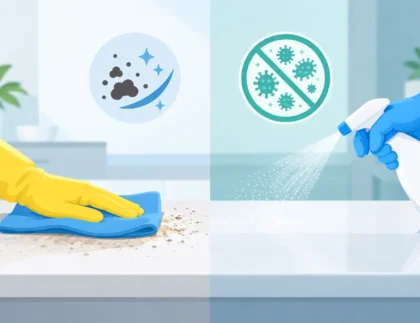
Microfibre works because the fibres physically lift and trap dust, grease, and bacteria more effectively than ordinary cotton cloths. For many everyday tasks, especially dusting, glass polishing, and light bathroom cleaning, warm water and a clean microfibre cloth are often enough.
This matters in real life because overusing spray is one of the most common cleaning mistakes. It leaves residue, increases packaging waste, and often means you spend longer buffing surfaces dry. In offices, shops and shared buildings, microfibre systems also speed up routine cleaning because staff can work efficiently without carrying a trolley full of chemicals.
There is a trade-off, though. Microfibre needs proper care. If cloths are washed badly or used across too many areas without separation, you lose the hygiene benefit. Colour-coding by room or task helps keep standards high.
2. pH-balanced eco products for kitchens and bathrooms
A proper eco clean is not about avoiding all specialist products. In kitchens and bathrooms, the smarter move is to use pH-balanced or biodegradable cleaners that are designed for grease, soap scum, and limescale without relying on unnecessarily harsh formulas.
This is especially important on modern finishes. Stone worktops, treated wood, sealed flooring, chrome fittings, and specialist commercial surfaces can all react badly to aggressive chemicals or home-made mixes. A product that is kinder to the environment but still made for the job is usually the better choice.
For landlords, tenants, and facilities managers, this matters because damaged surfaces cost more than the cleaner you tried to save on. The best eco-friendly cleaning methods protect the space while cleaning it properly. That balance is what keeps maintenance sensible over time.
3. Refillable concentrates instead of single-use sprays
If you want a straightforward way to cut waste, switch from ready-mixed trigger bottles to refillable concentrates. This is one of the most practical changes for both homes and workplaces.
Concentrates reduce plastic use, take up less storage space, and are often more economical over time. They are particularly useful in larger properties or commercial environments where the same products are used repeatedly across washrooms, desks, floors, and touchpoints.
The key is dilution control. Too weak, and cleaning standards drop. Too strong, and you waste product while leaving residue behind. Measured refill systems solve that problem neatly. They also make training easier for teams who need consistent results.
For busy people, this method works because it strips out friction. One refill station or a few clearly labelled bottles are easier to manage than a cupboard full of half-used sprays.
4. Steam cleaning for chemical-light deep cleaning
Steam cleaning is one of the best eco-friendly cleaning methods when you need deeper hygiene with minimal chemical use. High-temperature steam can loosen grime, lift grease, and sanitise many hard surfaces using mostly water.
It is especially useful on tiled floors, grout lines, sealed bathrooms, and some kitchen surfaces. In commercial settings, it can help tackle washrooms, changing areas, and hard-wearing flooring where hygiene matters but constant chemical saturation is not ideal.
That said, steam is not suitable for everything. Unsealed wood, delicate finishes, certain laminates, and some fabrics can be damaged by heat or moisture. It is a method that works brilliantly in the right place and badly in the wrong one.
Used properly, though, steam helps cut down both product use and rinsing time. That makes it efficient as well as greener.
5. Targeted spot cleaning instead of whole-room overuse
A lot of waste in cleaning comes from treating every room as if it is equally dirty. It rarely is. Targeted spot cleaning is a more eco-friendly method because it focuses effort where dirt actually builds up.
Think kitchen handles, taps, splashbacks, toilet flushes, door plates, lift buttons, desks, and reception counters. In homes, it might mean daily attention to the bathroom basin and hob, rather than repeatedly soaking every surface from top to bottom. In offices, it often means prioritising high-touch points and shared areas between fuller scheduled cleans.
This method saves water, product, labour, and cloth usage. It also tends to produce better-looking spaces because the places people notice most stay consistently clean.
There is a limit. Spot cleaning does not replace regular deep cleaning. Skirting boards still collect dust, carpets still hold debris, and corners still get ignored if there is no proper routine behind it. But as part of a realistic maintenance plan, it is highly effective.
6. Waste-conscious cleaning tools and habits
Eco-friendly cleaning is not just about liquids. The tools matter too. Reusable mop pads, durable cloths, washable dusters, refillable bottles, and long-life brushes all reduce waste compared with disposable wipes and single-use pads.
Disposable products have their place in some specialist settings, particularly where contamination risks are high. Medical spaces, food preparation environments, and certain commercial sites may need stricter controls. But for standard domestic cleaning, office maintenance, and general communal areas, reusables are usually the better option.
The habit side matters just as much. Use the right amount of water. Do not leave taps running while you clean. Vacuum before mopping so floors need less rinsing. Store products properly so they last. Small changes like these sound basic, but across a home or business cleaned week after week, they make a visible difference.
7. Smarter scheduling and maintenance
One of the most overlooked eco-friendly methods is simply cleaning little and often, rather than waiting until every job becomes heavy-duty.
Built-up grease needs stronger degreasers. Embedded carpet dirt needs more passes. Neglected bathrooms need harsher descaling. When cleaning is left too long, even well-intentioned eco routines usually get replaced by stronger products, more water, and more time.
A sensible schedule avoids that. For households, that might mean weekly maintenance with periodic deeper cleans. For commercial properties, it often means matching the frequency to footfall and use. A small office and a busy restaurant should not be cleaned on the same pattern, even if both want environmentally conscious results.
This is where professional support can make life easier. A service-led team with eco-aware methods can keep standards high without the stop-start cycle of quick fixes followed by major clean-ups. That is often the most realistic route for busy London customers who want cleanliness, convenience, and less hassle all at once.
Best eco-friendly cleaning methods for different spaces
The right method depends on the property. In a flat or family home, low-residue products, microfibre, refillables, and regular bathroom and kitchen upkeep usually give the best return. In rental properties, surface-safe eco products and focused move-in or move-out cleaning matter more because presentation and turnaround speed are critical.
For offices, schools, retail sites, and communal buildings, the priority shifts towards consistency, dilution control, touchpoint cleaning, and floor care that keeps up with daily use. Larger commercial sites may also need specialist planning, because environmentally conscious cleaning still has to meet hygiene, safety, and operational standards.
That is why the phrase best eco-friendly cleaning methods does not point to one miracle product. It points to a system – better tools, better product choices, better routines, and better judgement about what each space actually needs.
A cleaner space should never come at the cost of strong fumes, sticky residue, or unnecessary waste. The better option is usually the simpler one: use what works, use no more than needed, and keep on top of the jobs before they become a bigger problem. If a method saves time, protects surfaces, and leaves your home or workplace genuinely fresh, it is doing exactly what good cleaning should do.