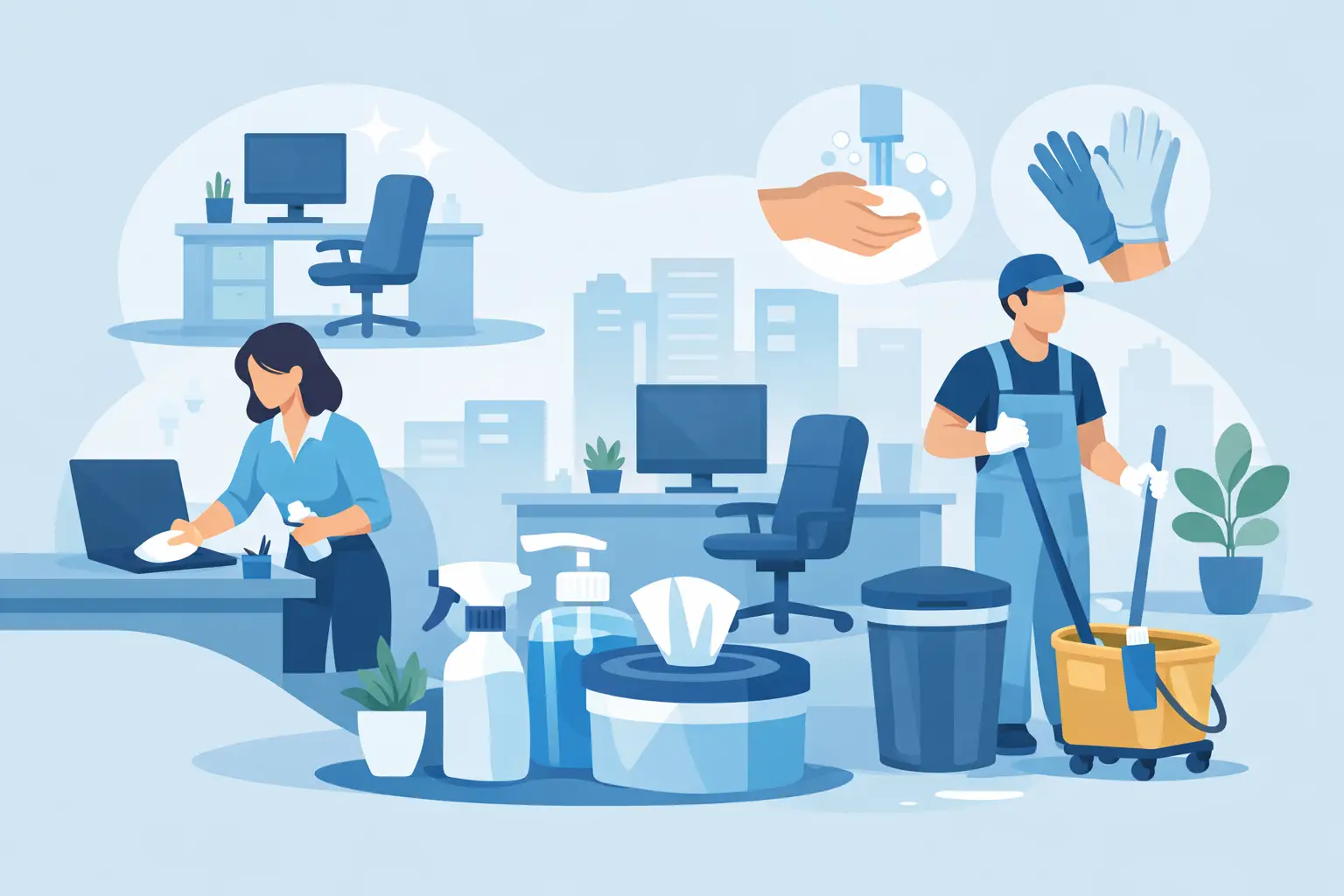
A keyboard with biscuit crumbs between the keys, fingerprints on the meeting room glass, a kitchen sink full of mugs by 10:30 – that is usually how office hygiene starts slipping. If you are wondering how to maintain office hygiene without turning it into a daily battle, the answer is not one big clean. It is a clear routine, sensible standards and getting everyone to do their bit.
A hygienic office does more than look presentable. It helps reduce the spread of germs, keeps shared areas usable, and gives staff and visitors confidence that the space is properly looked after. In busy London workplaces, where teams share desks, kitchens, loos and meeting rooms, small problems build up fast if nobody owns them.
Why office hygiene breaks down so quickly
Most offices do not become unhygienic because people are careless. They become unhygienic because responsibilities are vague. One person assumes the cleaner will wipe down desks, another assumes staff will clear their own food, and before long the bin is overflowing and the fridge has become a science experiment.
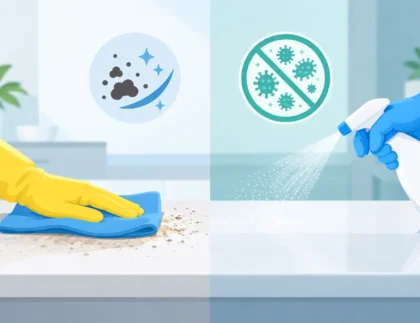
There is also a difference between cleaning and hygiene. A space can look tidy and still have high-touch surfaces covered in germs. Door handles, lift buttons, taps, kettle handles, shared screens and desk phones are often missed because they do not look dirty. That is where a lot of office illness spreads.
If your office has hybrid working, hygiene can become even harder to manage. Hot-desking means more people use the same chair, keyboard and worktop across the week. That calls for more regular wiping down, not less.
How to maintain office hygiene day to day
The most effective approach is simple. Break the office into zones, decide what needs attention daily, weekly and monthly, and make sure no area is left to chance.
Start with high-touch surfaces
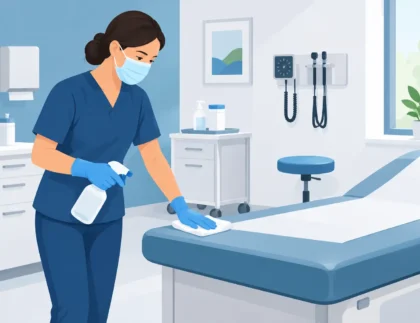
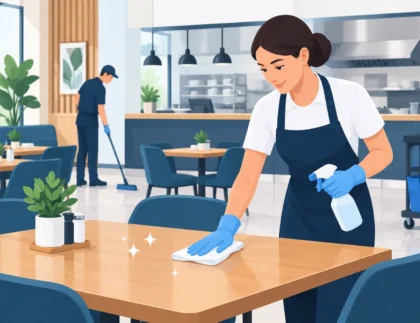
If you only improve one thing, start here. High-touch points carry the biggest hygiene risk because many people use them without thinking. Desks in shared areas, keyboards, mice, phones, printer buttons, door handles, taps, handrails and kitchen appliance handles should be cleaned and disinfected regularly.
The exact frequency depends on how busy the office is. In a small office with assigned desks, once a day may be enough. In a high-footfall workplace or hot-desking setup, some surfaces may need wiping several times a day. It depends on usage, not just square footage.
Keep washrooms stocked and checked
Washrooms set the tone for the whole workplace. If soap dispensers are empty or bins are full by lunchtime, staff notice. So do visitors. Good washroom hygiene means more than a mop round at the end of the day. Soap, toilet paper, hand towels and sanitiser need regular checks, and sanitary bins need proper servicing.
Ventilation matters too. A washroom that stays damp or smells stale will never feel clean, even if it has been wiped down. Regular cleaning of taps, flush handles, cubicle locks and door plates is essential because these are some of the most frequently touched points in the office.
Treat the kitchen like a shared responsibility
Office kitchens are where hygiene standards usually rise or fall. Food spills, milk left out, old lunches in the fridge and unwashed mugs create problems quickly. It is not just unpleasant – it can attract pests and create odours that spread through the office.
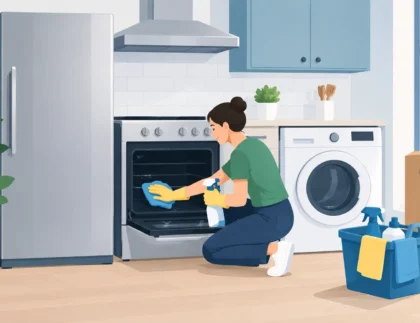
Set practical rules that people can actually follow. Ask staff to label food, clear expired items weekly, wash up immediately and wipe surfaces after use. Then back that up with scheduled cleaning of worktops, cupboard handles, sinks, taps, microwaves, kettles and fridge doors. If nobody owns the kitchen, it will become a problem area every time.
Manage bins before they become an issue
Overflowing bins make an office feel neglected, even if everything else is clean. General waste, recycling and food waste should be separated where possible, especially in kitchen and breakout areas. The trick is not just having enough bins, but putting them where people need them.
A single bin in the corner of a shared kitchen will not work for a large team. Likewise, desk bins can encourage rubbish to sit for too long if they are not emptied regularly. For many offices, central waste points are easier to manage and keep cleaner.
Create standards people can follow
One reason hygiene plans fail is that they are too vague. Telling staff to keep the office clean sounds reasonable, but it does not mean much in practice. Clear standards work better than general reminders.
For example, a meeting room standard might be that tables are wiped daily, used glasses removed after each meeting, and touchpoints cleaned at the end of the day. A kitchen standard might be that the sink is left empty, surfaces are sanitised and the fridge is checked every Friday. When expectations are specific, people are more likely to follow them.
This is also where signage can help, but only if it is brief and sensible. Nobody wants to read a lecture above the kettle. A short reminder usually does the job.
The role of professional cleaning
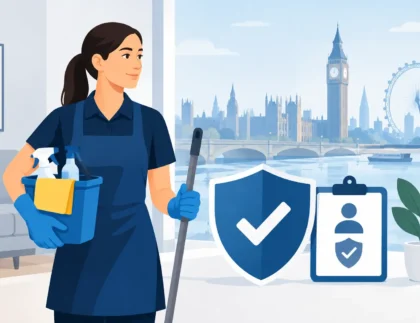
If you are serious about how to maintain office hygiene, there is a limit to what staff can reasonably manage themselves. Employees should clear up after themselves, but they should not be expected to take on the work of a trained cleaning team. That usually leads to patchy results and frustration all round.
Professional office cleaning gives you consistency. It means washrooms are sanitised properly, floors are maintained, bins are dealt with, and the hidden build-up in corners, skirting boards, upholstery and shared equipment does not get ignored for months. It also makes it easier to scale your cleaning around your office pattern. A five-day-a-week operation in Central London needs a different routine from a smaller office with hybrid staff in Finchley or Ealing.
The right schedule depends on footfall, layout, the number of shared areas and the type of work being done. A client-facing office may need more frequent attention to reception areas and meeting rooms. A back-office team may need stronger focus on kitchens, washrooms and desk zones.
Don’t ignore air quality and soft surfaces
Office hygiene is not only about what you can see on a worktop. Carpets, soft seating, curtains and ventilation all affect how clean a workplace feels. Dust, allergens and trapped odours can build up slowly, especially in enclosed offices where windows are rarely opened.
Regular vacuuming helps, but periodic deep cleaning of carpets and upholstery makes a noticeable difference. So does cleaning vents, internal glass and neglected corners where dust gathers. If staff regularly comment that the office feels stuffy, there may be an air circulation issue as well as a cleaning one.
Build hygiene into office culture without making it awkward
Nobody wants to work in a place where people are being told off for leaving a spoon in the sink. Office hygiene works best when it becomes part of normal workplace behaviour rather than a campaign that lasts two weeks and fades away.
That means managers need to set the tone. If leadership leaves meeting rooms untidy or ignores basic kitchen etiquette, the rest of the team will too. On the other hand, if the office is clearly maintained, supplies are always available and standards are easy to understand, most people will cooperate.
It also helps to review your setup honestly. If staff are expected to keep things tidy but there are not enough wipes, bins, storage areas or cleaning supplies, the system is flawed. Good hygiene is easier when the environment supports it.
When to review your office hygiene routine
If people are getting ill frequently, shared spaces always look messy, or your cleaners are constantly fire-fighting the same problem areas, your current approach probably needs adjusting. Hygiene routines should change with the office. More staff, more visitors, seasonal illness, refurbishments and layout changes all affect what is needed.
For some businesses, a daily clean plus periodic deep cleaning is enough. For others, especially those with heavy footfall or multiple shared facilities, cleaning may need to happen during the working day as well. There is no one-size-fits-all answer, which is why tailored support often works better than a generic checklist.
For London businesses that want less hassle and more consistency, a reliable cleaning partner can take the pressure off facilities teams and office managers. The Ultimate Cleaners helps businesses keep workplaces hygienic, presentable and easier to manage with practical cleaning support that fits around how the office actually runs.
A clean office should not depend on whoever notices the problem first. Put the right routine in place, keep standards realistic, and hygiene becomes much easier to maintain every working day.