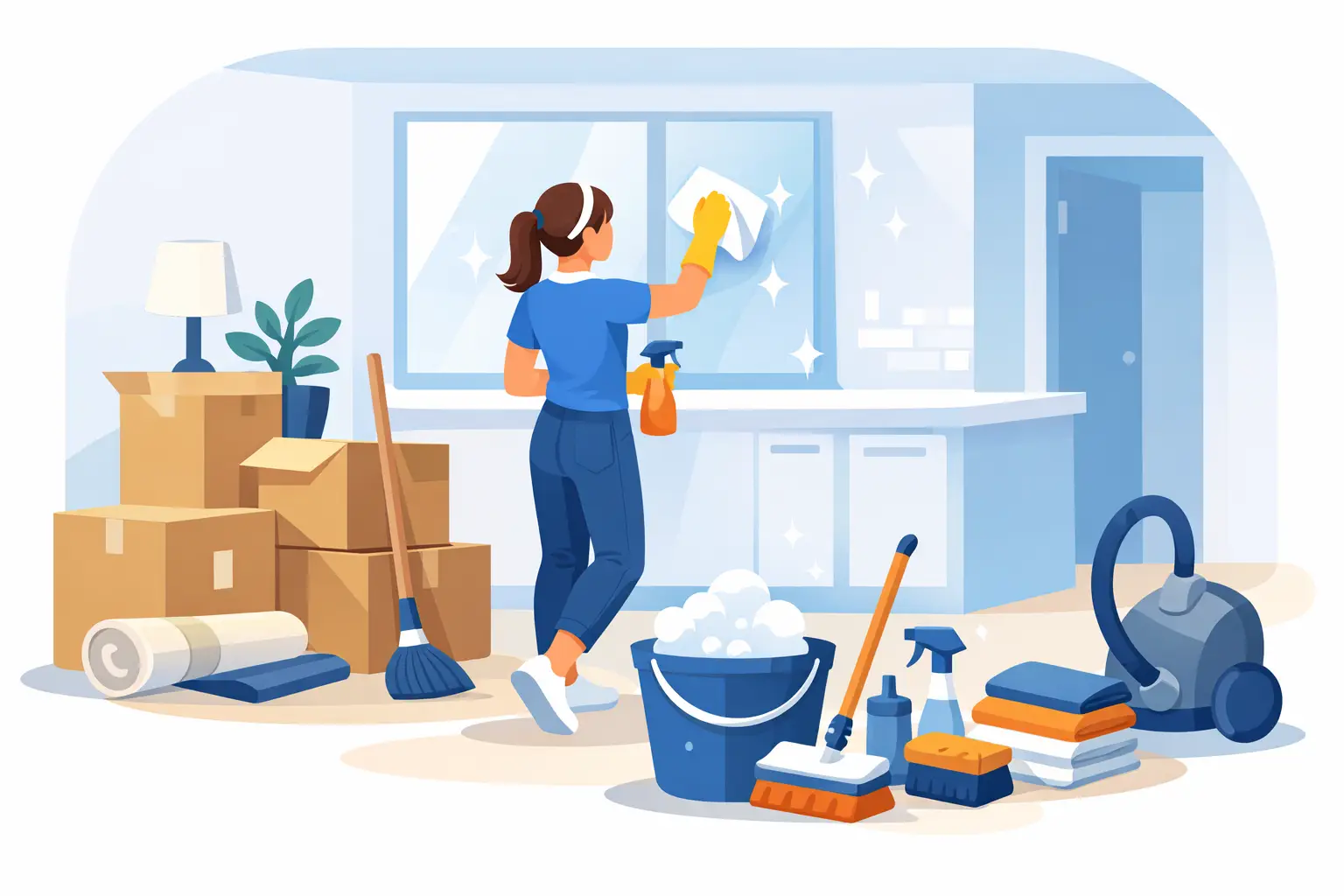
Move-out day has a way of making every missed crumb, limescale mark and dusty skirting board suddenly feel urgent. The best move out cleaning tips are the ones that help you work fast, stay organised and leave the place looking properly ready for the next person – not just tidy at first glance.
If you are a tenant hoping to protect your deposit, a landlord preparing for new occupants or a homeowner lining up a sale, the standard is usually higher than your normal weekly clean. This is not about fluffing cushions and spraying air freshener. It is about detail, presentation and avoiding the common mistakes that get noticed during inspections.
The best move out cleaning tips start with a plan
The biggest mistake is starting in the wrong order. People often wipe surfaces first, then create fresh dust while packing, drilling out fixtures or dragging boxes through the room. A better approach is to treat move-out cleaning like a final reset.
Pack first. Remove rubbish next. Empty cupboards and drawers completely. Only then start cleaning. Once rooms are clear, you can see what actually needs attention, from scuffs behind furniture to grease around sockets in the kitchen.
Work from top to bottom in every room. Dust high shelves, curtain rails and light fittings before tackling worktops, tables and floors. Leave the floor until last. That sounds obvious, but it saves time and stops you cleaning the same area twice.
Focus on the areas landlords and agents inspect closely
A move-out clean is rarely judged by one dramatic mess. More often, it is the buildup in small neglected areas that creates the impression of poor upkeep. Kitchens and bathrooms matter most because they show grime quickly and take the longest to restore.
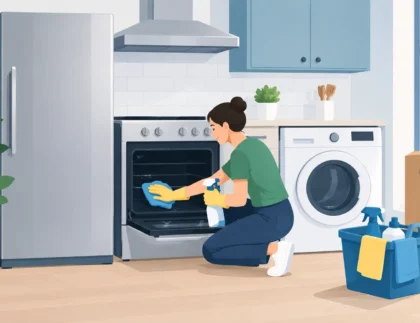
In the kitchen, pay close attention to the hob, extractor fan, splashback, sink, taps, cupboard fronts and the inside of appliances. A wiped oven door is not the same as a clean oven. If there is burnt-on grease inside, it needs proper treatment and time to break down.
In the bathroom, limescale is the usual problem. London water is hard, so taps, shower screens, toilet rims and tiles can all hold stubborn marks. You may need more than one pass to lift them fully. A quick once-over often leaves behind the cloudy residue that inspections pick up straight away.
Bedrooms and living spaces are usually easier, but they still need detail work. Built-in wardrobes, skirting boards, window sills, door handles, light switches and the edges of carpets all make a difference. If the property is unfurnished, empty rooms can make dust and marks look worse than they did when your furniture was in place.
Best move out cleaning tips for kitchens
The kitchen is where time disappears, so it pays to be methodical. Start by soaking removable items such as oven racks, hob rings and microwave turntables. While those are loosening, degrease the cupboard doors and wipe inside every cupboard and drawer. Crumbs in cutlery drawers and sticky rings inside cupboards are easy to miss and surprisingly common.
Then move to appliances. The fridge and freezer should be emptied, switched off if required, defrosted and dried properly. Leave them clean and odour-free. For the oven, use a product suitable for the surface and give it enough dwell time to work. Scrubbing too early usually means more effort for worse results.
Do not forget the extractor. Grease collects there quietly, and it can make the whole kitchen feel unclean even when the counters shine. If the filter is washable, clean it thoroughly. If it is beyond recovery and your tenancy allows replacement, that can be worth doing.
Finish with the sink area. Polish taps, descale around the base, clean the plughole and wipe the tiles behind. A clean sink with water marks still on the taps does not read as finished.
Bathrooms need patience more than force
People often attack bathrooms with strong products and lots of scrubbing. Sometimes that works, but just as often it wastes effort or damages finishes. The smarter option is to use the right product for the specific issue – limescale, soap scum, mould or general dirt – and let it sit for the recommended time.
Shower screens usually improve with repeated light cleaning rather than aggressive scouring. Toilets need attention both inside and around the base. Tiles and grout should be checked carefully, especially around the bath and basin where pink or dark buildup can form.
Mirrors should be streak-free, and chrome should be dry-buffed at the end. It is a small touch, but it lifts the whole room. Bathrooms are judged on freshness as much as cleanliness, so ventilation matters too. Once cleaned, leave the room aired if possible.
Floors, carpets and marks on walls
Floors are the final stage, but they still deserve planning. Vacuum first, including edges, corners and under radiators if accessible. Hard floors should then be cleaned with a suitable solution that will not leave them sticky or dull.
Carpets are a bit more nuanced. If there are visible stains, pet odours or heavy wear lines, standard vacuuming may not be enough. Some tenancy agreements expect professional carpet cleaning, particularly if it was done before you moved in. It depends on the agreement and the condition, so check before handover rather than guessing.
Wall marks are another area where people can make things worse. A gentle clean may lift light scuffs, but harsh rubbing can remove paint and leave a shiny patch. If marks are significant, it may be better to touch up with matching paint if permitted. If not, leave it alone and avoid turning a minor mark into obvious damage.
Windows, fixtures and finishing details
If you want that properly finished look, the details matter. Internal windows should be cleaned until they are clear and streak-free. Window sills often collect dead insects, dust and black grime, especially in older London properties near busy roads.
Light switches, sockets, handles and bannisters are touched constantly and forgotten often. The same goes for skirting boards, door frames and the tops of doors. None of these tasks takes long on its own, but together they shape how clean the property feels.
Check curtains and blinds for dust. Make sure light fittings are free from cobwebs. Empty every bin and replace any bin liners if they are staying. If there is outdoor space included, a quick tidy of the entrance, balcony or patio can also help the handover feel complete.
When to do it yourself and when to call professionals
Some move-out cleans are realistic DIY jobs. If the property has been well maintained, the space is small and you have enough time after packing, doing it yourself can work well. The key is being honest about the condition.
If the oven is heavily soiled, the bathroom has long-standing limescale, carpets need machine cleaning or the whole property has to be cleaned in a narrow window between moving out and key return, professional help can save a lot of stress. That is especially true for larger homes, shared houses and furnished rentals where there are more surfaces to inspect.
For busy London households, the real value is often not just labour. It is speed, consistency and the peace of mind that comes from having a team handle the fiddly jobs you are most likely to miss. Companies such as The Ultimate Cleaners are often brought in for exactly that reason – the job needs doing properly, and there is not much time left to get it done.
A realistic move-out cleaning checklist without overdoing it
The best move out cleaning tips are practical, not perfectionist. Aim for clean, sanitary and inspection-ready. That means no grease, no dust, no obvious marks, no rubbish left behind and no hidden dirt inside storage areas or appliances.
It does not mean spending hours trying to restore normal wear to brand-new condition. A worn carpet is not the same as a dirty carpet. Light ageing on sealant is not the same as neglect. Knowing the difference helps you focus your time where it actually counts.
Before you leave, do one slow final walk-through with the property empty and the lights on. Open cupboards. Look behind doors. Check the fridge, oven, bathroom fittings and window sills. Take photos once the clean is complete. If there is ever a question later, a clear record helps.
A good move-out clean is really about making the next step easier – easier for the inspection, easier for the next occupant and easier for you to shut the door without wondering what you forgot.