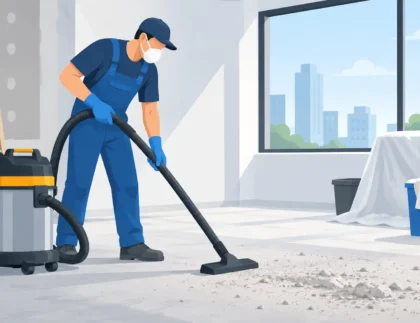
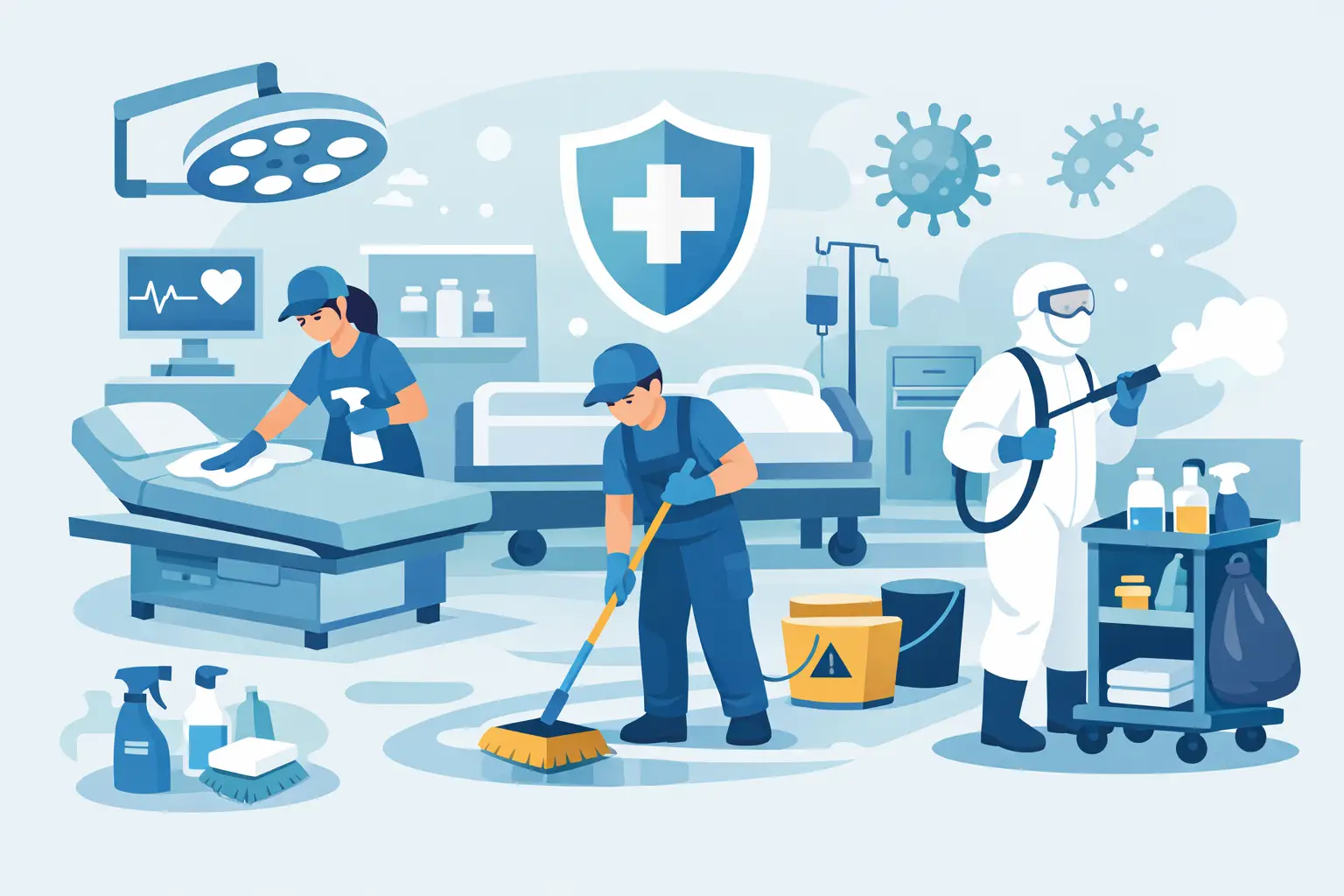
A waiting room can look tidy and still fall short on hygiene. That is the problem with medical clinic cleaning requirements – they go far beyond emptying bins, mopping floors and giving the reception desk a quick wipe. In a clinic, cleaning has to support infection control, protect staff and patients, and stand up to scrutiny if procedures are ever questioned.
For practice managers, facilities teams and clinic owners, the real challenge is consistency. A single missed touchpoint in a consulting room, treatment area or toilet can create risk that no one wants to explain later. Good cleaning in a medical setting is not about appearances alone. It is about reducing contamination, keeping the environment safe, and making sure standards are followed every day rather than only before an inspection.
What medical clinic cleaning requirements actually cover
Medical clinic cleaning requirements usually include more than a basic specification. They cover what must be cleaned, how often it should be cleaned, which products are suitable, who is responsible, and how the work is recorded. In practical terms, that means separating general cleaning from clinical cleaning and treating higher-risk areas with far more care.
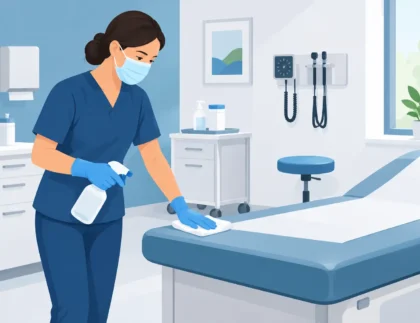
A standard office cleaning routine is not enough for a GP surgery, dental practice, outpatient clinic or physiotherapy centre. These spaces may share some features with offices, but they also include examination couches, treatment chairs, hand-contact surfaces, washrooms used by unwell visitors, and areas where bodily fluids may be present. That changes the cleaning approach completely.
The exact level of cleaning depends on the type of clinic, patient volume and treatments delivered. A cosmetic clinic has different risks from a minor procedures unit, and a reception-only healthcare setting has different needs from a dental surgery. That said, every clinic needs a clear cleaning plan, trained cleaners, suitable products and enough frequency to keep up with footfall.
Risk level matters more than square footage
One of the biggest mistakes in medical cleaning is pricing or planning purely by size. A small treatment room can require more attention than a large admin office because the risk is higher. Clinics should assess spaces by use, not just by floor area.
High-risk or higher-touch areas usually include door handles, light switches, reception counters, armrests, taps, toilet flushes, couch rails, patient chairs and shared equipment surfaces. These may need repeated cleaning during the day, especially in busy settings. Lower-risk back-office areas may need a more standard routine, though they still have to be kept clean and hygienic.
This is where a room-by-room schedule helps. Instead of one general checklist for the whole building, clinics are better served by assigning different tasks and frequencies to receptions, waiting areas, consulting rooms, treatment rooms, kitchens, staff rooms and washrooms. It keeps standards realistic and reduces the chance of important tasks being lost inside a vague contract.
Daily cleaning is the baseline, not the full answer
Most clinics need daily cleaning as a minimum, but daily does not always mean once per day. Busy sites often need a combination of opening cleans, daytime touchpoint cleaning and end-of-day disinfection of clinical spaces.
Reception and waiting areas usually need regular attention because of constant public use. Floors, seating, counters and glass can quickly pick up dirt and germs. Washrooms often need checks throughout the day, not just a single clean after hours. Treatment and consulting rooms may need cleaning between patients, after specific procedures or at the close of each session, depending on how they are used.
This is one of those areas where it depends. A private clinic with low patient traffic may manage well with a carefully structured morning or evening service plus in-house wipe-downs during the day. A larger practice with multiple clinicians and rapid patient turnover may need ongoing support on site. The correct answer is the one that matches the risk and the volume of use.
Cleaning products must be suitable for clinical environments
Not every off-the-shelf cleaning chemical belongs in a medical setting. Clinics need products that are appropriate for the surfaces being cleaned and effective for the hygiene standard required. In many cases, that means combining detergent cleaning with disinfection where necessary, rather than relying on fragrance or shine as proof of cleanliness.
Product choice also affects safety. Strong chemicals can irritate staff, patients or cleaners if used badly or in poorly ventilated spaces. Delicate equipment, coated furniture and specialist flooring may also be damaged by the wrong solution. Eco-conscious products can still have a place in healthcare cleaning, but only where they meet the hygiene demands of the environment.
Colour-coded cloths and mop systems are also common sense in clinics. They help prevent cross-contamination between washrooms, clinical rooms, general areas and kitchens. It is a simple control, but one that matters. If your cleaner is using the same materials across every room, that is a warning sign.
Medical clinic cleaning requirements include documentation
Cleaning is much easier to trust when it is documented. Medical clinic cleaning requirements often involve written schedules, signed checklists and clear records of what was cleaned, when and by whom. That is not admin for the sake of it. It creates accountability and helps identify gaps before they become recurring problems.
For clinic operators, documentation is especially useful when multiple people are involved. Reception staff may wipe shared counters during the day, clinicians may clean equipment after use, and contracted cleaners may handle the broader environment. Without written responsibilities, tasks can be duplicated in some places and ignored in others.
A good cleaning log should be easy to follow. If it is too complicated, people stop using it properly. What matters is clarity – frequency, method, responsible person and any escalation route if a spill, contamination issue or stock shortage is found.
Waste handling and sharps change the standard
General office waste and clinical waste are not the same thing. Medical clinics must manage waste streams properly, especially where dressings, contaminated materials or sharps are involved. Cleaners need to know what they are allowed to handle and what must be left to trained clinical staff or specialist disposal services.
This is a major area where experience counts. A cleaner who is excellent in retail or office environments may still need extra training before working safely in a clinic. If waste bags are overfilled, bins are poorly placed or sharps containers are mishandled, the risk rises quickly.
Even where cleaners do not directly handle clinical waste, they still need to clean around those systems correctly. Bin lids, external surfaces and surrounding floors can all become contamination points if ignored.
Staff training is not optional
The best cleaning schedule in the world means very little if the people carrying it out do not understand the environment. Medical cleaning requires training in infection prevention basics, safe product use, PPE, cross-contamination control and incident reporting.
That applies whether cleaning is handled in-house or outsourced. Clinics should be confident that anyone entering treatment or consulting areas understands the difference between a visibly clean room and a hygienically safe one. They should also know what to do if they encounter blood, bodily fluids, broken glass or improperly stored waste.
Reliability matters just as much as technique. Clinics run on timing. If cleaning teams arrive late, skip tasks or rotate unfamiliar staff too often, standards can slip even if the paperwork looks fine.
How to judge a clinic cleaning setup properly
If you are reviewing your current arrangements, the useful question is not simply, “Is the building cleaned?” It is, “Does the cleaning match the risks in this clinic?” That shifts the focus from surface appearance to practical control.
Look at whether high-touch points are cleaned often enough, whether washrooms stay in good condition throughout the day, whether treatment spaces are reset properly, and whether supplies are consistently stocked. Check if logs are completed, if staff know their roles, and if there is a clear response for spillages or contamination.
It is also worth noticing the patient experience. People may not know your exact protocol, but they do notice smudged doors, poorly maintained toilets, dusty skirting or bins filling up too quickly. In healthcare, those small details affect trust.
For clinics in London, flexibility often matters as much as technical skill. Early opening times, evening appointments and weekend sessions mean cleaning support has to fit around operations rather than interrupt them. That is why many practices work better with a service that can adapt frequency, timings and task lists as the clinic changes.
A dependable provider should be able to build around your real site conditions, not hand you a generic office spec with a medical label on it. The Ultimate Cleaners, for example, supports commercial sites that need practical, thorough cleaning with enough flexibility to suit busy working environments.
When standards need tightening up
If your team is constantly restocking soap, wiping chairs between patients because cleaners missed them, or fielding complaints about washrooms, your setup probably needs attention. The same applies if there is no clear cleaning schedule for clinical rooms or no distinction between front-of-house and treatment areas.
The fix is usually not more rushing. It is a better plan. Clinics work best when cleaning responsibilities are clear, frequencies match actual use, and the people doing the work are trained for healthcare environments.
Clean premises reassure patients, support staff and reduce avoidable risk. That is the real value behind medical clinic cleaning requirements – not red tape, but a cleaner, safer place for everyone walking through the door.