
You can spot a weak cleaner in about ten seconds. Spray the hob, wipe once, and if grease just smears about, the label stops mattering. That is why any honest eco cleaning products review has to start with performance, not pretty packaging. If a product is meant to replace the harsh stuff under the sink, it needs to clean properly, smell decent, and fit into real life without making every job harder.
For most households and workplaces, eco products are no longer a niche option. They are now part of the main conversation around safe, practical cleaning. The catch is that “eco-friendly” can mean several different things at once. One product may use plant-based ingredients but come in a plastic bottle. Another may be refillable but not especially effective on limescale. Some are gentle enough for daily use yet struggle with heavier grime. So the right choice depends on what you are cleaning, how often you clean it, and how much elbow grease you are willing to put in.
Eco cleaning products review – what actually matters
The best eco cleaning products tend to get four things right. They clean well, avoid unnecessarily harsh ingredients, keep scents manageable, and make repeat use easy through refills or concentrated formulas. If one of those falls apart, the product quickly becomes a chore rather than a help.
Cleaning power comes first. In kitchens, that means cutting grease without leaving a film on worktops or stainless steel. In bathrooms, it means dealing with soap scum, water marks, and light limescale before they build up into a bigger problem. On floors, it means lifting dirt without making tiles slippery or leaving laminate streaky. An eco label does not excuse poor results.
Ingredients matter too, but this is where people often get misled. Natural is not always better for every task, and chemical-sounding ingredients are not automatically bad. A sensible approach is to look for products that are biodegradable, avoid unnecessarily aggressive substances, and are suitable for the surface being cleaned. That is more useful than chasing buzzwords.
Fragrance is another practical issue. Many people want a home or office to smell fresh, but heavily perfumed products can be unpleasant in enclosed spaces. In commercial settings especially, strong scents can be a poor fit for shared environments. A light, clean smell usually works better than something overpowering.
Where eco products usually perform well
For regular upkeep, eco cleaners are often more than good enough. Multi-surface sprays, glass cleaners, washing-up liquids, and general bathroom sprays have improved a lot over the past few years. For homes that are cleaned little and often, they can do the job without filling cupboards with strong, single-purpose products.
Kitchen counters are a good example. If you wipe surfaces daily, a decent eco spray will usually remove crumbs, fingerprints, and light grease with no issue. Dining tables, cupboard doors, sealed stone surfaces, and appliance exteriors also tend to respond well. Glass and mirrors can be hit and miss, but the better formulas leave a clear finish if you use a clean microfibre cloth rather than overapplying the product.
Floors are another area where eco options can work very well. Concentrated floor cleaners are often economical, and because they are diluted, they can be easier to manage in larger homes or offices. The key is using the right amount. Too much product, eco or otherwise, often causes streaks.
In busy London households, especially flats with limited storage, this matters. A few versatile products that genuinely work are far more useful than a shelf full of bottles promising miracles.
Where eco products can struggle
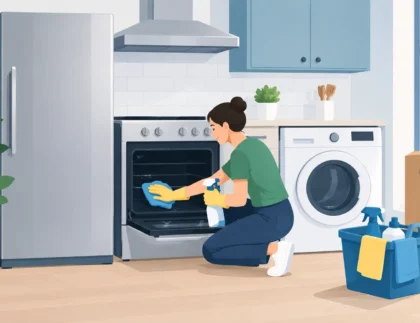
Here is the honest part of any eco cleaning products review: some jobs still expose the limits. Heavy oven grime, thick limescale, ingrained bathroom staining, and post-build dust are not always handled well by gentler formulas. They may work eventually, but only with repeated applications and more scrubbing than most people want.
That does not mean eco products fail. It means maintenance and restoration are different tasks. If you stay on top of cleaning, eco products often keep spaces in good condition. If you are dealing with months of neglect, hard water build-up, or a move-out clean where standards are high, stronger targeted products or professional cleaning methods may still be the practical option.
This is especially true in commercial sites. Restaurants, medical environments, and high-footfall washrooms have hygiene demands that go beyond what a standard household eco spray can deliver. In those cases, the right solution is usually a controlled, professional approach rather than relying on a one-size-fits-all bottle.
The most useful types to buy
If you want the biggest return for your money, start with the categories that make daily cleaning easier. A reliable multi-surface spray is usually the first buy. It covers worktops, tables, sealed hard surfaces, and quick freshen-ups. After that, a bathroom cleaner and a floor cleaner are often worth having, because those jobs come around constantly.
Glass cleaner is useful if you have lots of mirrors, glossy surfaces, or office partitions, but not every household needs a dedicated one. Washing-up liquid is a simpler swap and one of the easiest eco changes to make. Laundry products can also be a good move, though performance varies more depending on water hardness, temperature, and stain type.
Refills deserve more attention than they usually get. They are often cheaper over time, save storage space, and cut down on plastic waste. If a refill system is awkward or messy, people stop using it, so convenience still matters. The best products fit neatly into routine.
How to judge green claims without wasting money
A lot of branding is designed to make you feel responsible before you have tested the cleaner. Ignore the leaf graphics for a moment and look at the basics. Does the label explain what surfaces it is for? Does it mention dilution, refills, or concentrated use? Are the ingredients clearly presented? Is the packaging recyclable or reusable in practice, not just in theory?
Price should be judged per use, not per bottle. A concentrated cleaner may look expensive at first but last much longer. On the other hand, a cheap spray that needs twice as much product and twice as much wiping is not really saving you anything.
Reviews can help, but look for comments about specific cleaning tasks. “Smells lovely” is not the same as “removed soap scum from shower screens” or “did not leave streaks on black worktops”. The more specific the feedback, the more useful it is.
A practical eco cleaning products review for homes and workplaces
For domestic cleaning, the sweet spot is usually a small set of dependable products used consistently. You want something safe and effective for regular kitchen and bathroom upkeep, with one or two stronger options reserved for occasional tougher jobs. That balance keeps cleaning manageable without turning every session into hard labour.
For offices and commercial premises, consistency matters even more. Products need to work across shared desks, washrooms, kitchens, reception areas, and hard floors without causing strong odours or leaving residue. In those settings, eco-friendly cleaning makes the most sense when it supports a reliable system rather than acting as a marketing add-on.
That is why professional cleaners often think differently about products than shoppers do. The bottle matters, but the method matters just as much. Correct dilution, proper cloth use, surface knowledge, and routine maintenance make a bigger difference than most labels suggest. At The Ultimate Cleaners, that practical view is what keeps eco-friendly cleaning useful rather than tokenistic.
So, are eco cleaning products worth it?
Yes, in many cases they are. For day-to-day cleaning, many eco products now offer the right balance of performance, safer routine use, and lower environmental impact. They are especially worth considering for homes with children, pets, regular kitchen use, or people who simply do not want harsh fumes hanging about after a clean.
But they are not magic. If you expect a mild all-purpose spray to tackle baked-on grease, thick grout staining, or a neglected end of tenancy bathroom in one pass, you will be disappointed. Better results usually come from matching the product to the task and keeping on top of cleaning before grime builds up.
If you are choosing for your own space, start small. Swap one or two core products, test them properly, and notice how they perform over a few weeks. The best eco cleaner is not the one with the loudest claims. It is the one you reach for regularly because it does the job well, without making life harder. And when cleaning feels easier, it is far more likely to get done.