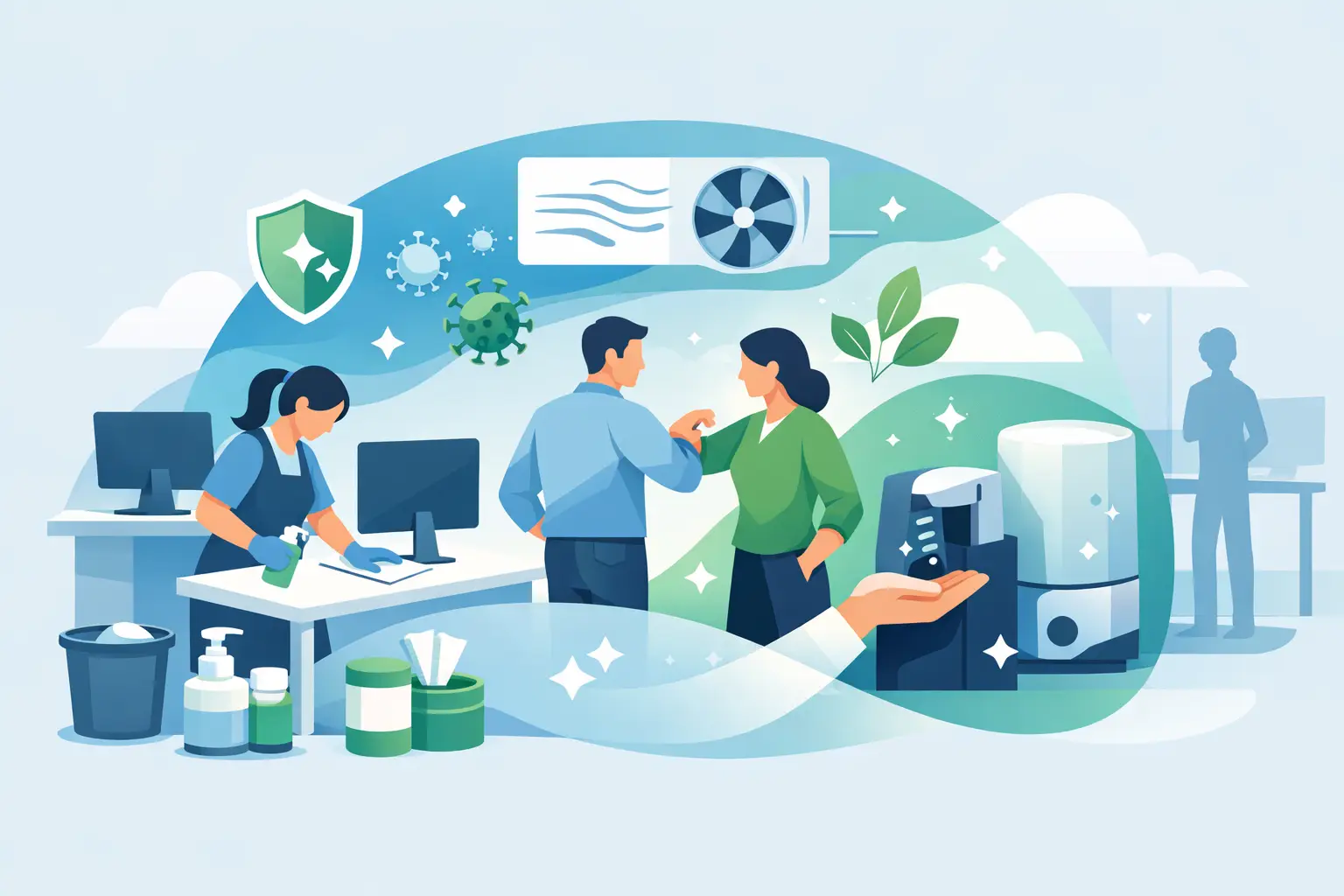
A smudged meeting room screen, overflowing washroom bins and a kitchenette sink full of mugs tell staff and visitors something long before anyone says a word. Cleanliness shapes how a workplace feels, how seriously standards are taken and whether people trust the environment around them. That is why workplace hygiene trends are no longer just a facilities issue. They are tied to staff confidence, visitor impressions and the smooth running of the day.
For London businesses, the pressure is even sharper. Offices, shops, clinics, warehouses and shared buildings deal with heavy footfall, tight schedules and constant use of communal areas. The businesses getting this right are not chasing fads. They are paying attention to practical changes that make premises easier to maintain, safer to use and more pleasant to work in.
The workplace hygiene trends businesses are acting on
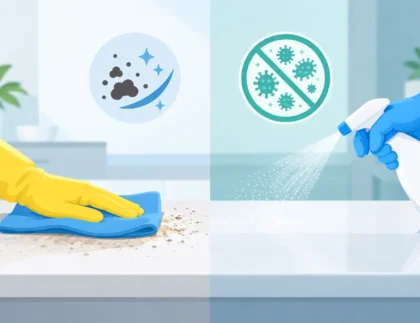
The biggest shift is simple. Businesses are moving away from cleaning that only looks good at a glance and towards hygiene routines that hold up under daily use. A polished reception desk matters, but so do the touchpoints people actually use every hour – door handles, lift buttons, taps, kettle handles, chair arms and shared equipment.
This is one reason scheduled cleaning has become more targeted. Rather than relying on one standard routine for every site, more businesses are matching cleaning frequency to how the space is used. A quiet admin office needs something different from a customer-facing showroom or a washroom in a busy shared building. The trend is less about doing more for the sake of it and more about cleaning with purpose.
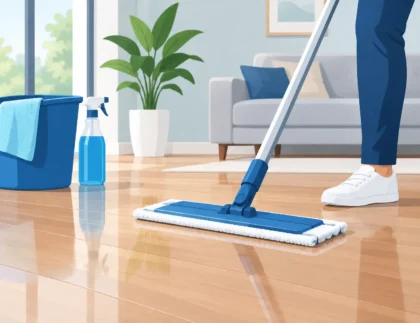
Another change is the growing expectation that hygiene should be visible without feeling disruptive. Staff want to know their workplace is looked after, but they do not want cleaning activity getting in the way of work. That has increased demand for well-timed early morning, evening and flexible cleaning schedules. In practice, convenience is now part of hygiene.
Higher standards in shared spaces
If there is one area where workplace hygiene trends are most obvious, it is in shared spaces. Kitchens, break rooms, washrooms and meeting rooms are where standards rise or fall quickly.
The office kitchen is a good example. Years ago, many businesses treated it as a low-priority space that would somehow stay usable with occasional attention. That approach rarely works now. Shared food prep areas create odours, grime build-up and hygiene concerns fast, especially in larger teams or hybrid workplaces where usage spikes on certain days. Regular disinfection of surfaces, bin management and proper floor cleaning are becoming non-negotiable.
Washrooms are under similar scrutiny. People notice poor washroom standards immediately, and they often use them as a shortcut for judging the whole building. Clean cubicles, replenished consumables, fresh-smelling air and sanitised touchpoints are now baseline expectations, not premium extras.
Meeting rooms also need more attention than they once did. Shared tables, remotes, screens and chair backs can be missed if cleaning focuses only on floors and obvious surfaces. Businesses are increasingly asking for routines that reset these rooms properly between heavy use periods.
Eco-friendly products are no longer a niche request
One of the clearest workplace hygiene trends is the shift towards environmentally conscious cleaning products and methods. This is not just about image, although that does matter. Staff are more aware of the products used around them, particularly in enclosed office settings where strong chemical smells can be unpleasant.
For many businesses, eco-friendly cleaning now makes practical sense. It helps reduce harsh residues, supports broader sustainability goals and can create a more comfortable day-to-day environment for staff and visitors. That said, there is still a balance to strike. The right product depends on the setting, the surface and the level of contamination being addressed. In some environments, especially medical, industrial or food-related spaces, hygiene requirements may call for more specific treatments.
The best approach is not ideology. It is choosing products that are effective, appropriate and responsible for the setting. That is where a professional cleaning plan tends to outperform a patchwork approach built on whatever happens to be in the cupboard.
Hygiene is becoming part of staff experience
Cleanliness has moved well beyond compliance. It now affects recruitment, retention and day-to-day morale more than some employers realise.
People work better in spaces that feel maintained. A tidy, hygienic workplace signals that the business is organised and that standards matter. On the other hand, dusty desks, neglected carpets and poorly kept washrooms create background frustration. Staff may not always raise it directly, but they notice it.
This matters particularly in flexible and hybrid workplaces. When teams come into the office less often, they expect the space to feel worth the commute. If they arrive to clutter, stale smells and grimy communal areas, it undermines the experience quickly. Clean offices help make in-person work feel productive and professional rather than inconvenient.
The rise of touchpoint-focused cleaning
A lot of businesses learned hard lessons about high-contact surfaces over the past few years, and that awareness has stayed. One of the most durable workplace hygiene trends is the focus on touchpoint cleaning as a routine part of maintenance.
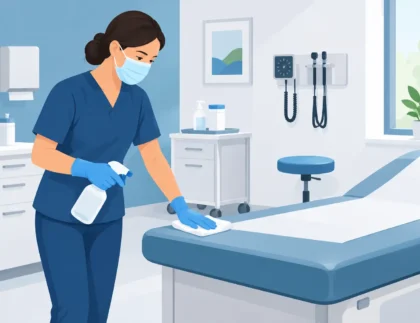
That includes the obvious surfaces such as handles, switches and toilets, but also the ones people often forget – printer buttons, fridge doors, handrails, card readers and desk-side storage. In busy workplaces, these areas can become hygiene weak spots if they are only addressed during periodic deep cleans.
There is a trade-off here. Over-cleaning every surface all day is not realistic or cost-effective for most sites. The smarter option is to identify where contact is highest and build a sensible schedule around that. For some workplaces, that might mean daily attention. For others, it may mean extra cover on peak attendance days and lighter support at quieter times.
Clean air and soft surfaces are getting more attention
Good hygiene is not only about what people can see. Carpets, upholstery and indoor air quality are receiving more attention because they affect how a workplace feels over time.
Carpets trap dirt, allergens and moisture, particularly near entrances and in high-traffic routes. Upholstered chairs in reception areas, waiting rooms and meeting spaces also collect dust and general grime gradually. Left too long, they start to affect appearance, odour and freshness even if the rest of the room looks tidy.
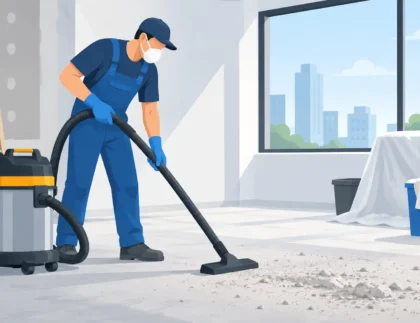
This is why more businesses are building periodic deep cleaning into their routine rather than waiting until things look obviously worn. It is usually more cost-effective to maintain floors and furnishings properly than to let them deteriorate and face replacement sooner.
Air quality plays into this as well. While cleaning alone cannot solve every ventilation issue, reducing dust build-up and keeping fabric surfaces cleaner can help create a fresher environment. In busy city workplaces, that makes a noticeable difference.
Data, audits and proof of standards
Another of the stronger workplace hygiene trends is the move towards clearer accountability. Businesses do not just want cleaning done. They want confidence that it has been done properly and consistently.
That has increased interest in checklists, cleaning logs, site audits and structured service plans. For office managers and facilities teams, this is useful because it reduces guesswork. If there is a recurring issue in a washroom, entrance area or shared kitchen, it can be tracked and adjusted rather than repeatedly complained about and half-solved.
For multi-use commercial buildings, this matters even more. Different areas have different expectations, and a one-size-fits-all plan can leave obvious gaps. A cleaner, more accountable service helps ensure standards remain stable as footfall changes.
What these trends mean for London businesses
In a city where people move quickly and properties work hard, hygiene standards need to be realistic as well as high. A boutique office in Marylebone, a busy salon in Ealing and a warehouse in Wembley are all workplaces, but they do not need the same cleaning plan.
That is the practical lesson behind current workplace hygiene trends. The best results come from matching the service to the site. Frequency, products, timing and focus areas should reflect how the building is actually used, not how it looks on paper.
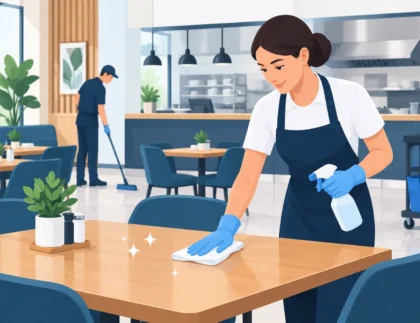
For some businesses, that means regular evening office cleaning with extra attention to washrooms and kitchens. For others, it may mean periodic deep cleans, carpet care, window cleaning or specialist hygiene support in customer-facing and high-footfall spaces. The right setup depends on the property, the people using it and the level of wear the site takes each week.
At The Ultimate Cleaners, we see this first-hand across London. Businesses want reliable cleaning that fits around operations, keeps standards high and removes one more job from an already busy day.
A cleaner workplace does more than pass inspection. It makes the space easier to trust, easier to manage and easier to walk into each morning without spotting ten things that need sorting. That is where hygiene trends become useful – not when they sound impressive, but when they make everyday work run better.