You do not usually think about skirting boards, extractor fans or the top of kitchen cupboards until the day you are handing the keys back. That is when the question gets very real – what is included in end of tenancy cleaning, and what will a landlord or letting agent actually check?
The short answer is this: end of tenancy cleaning is a deep, top-to-bottom clean of the property designed to bring it back to a high lettable standard. It goes well beyond a regular weekly tidy-up. The aim is to remove built-up grease, limescale, dust, marks and grime so the place is ready for the next tenant and there is less risk of deductions from your deposit.
What is included in end of tenancy cleaning?
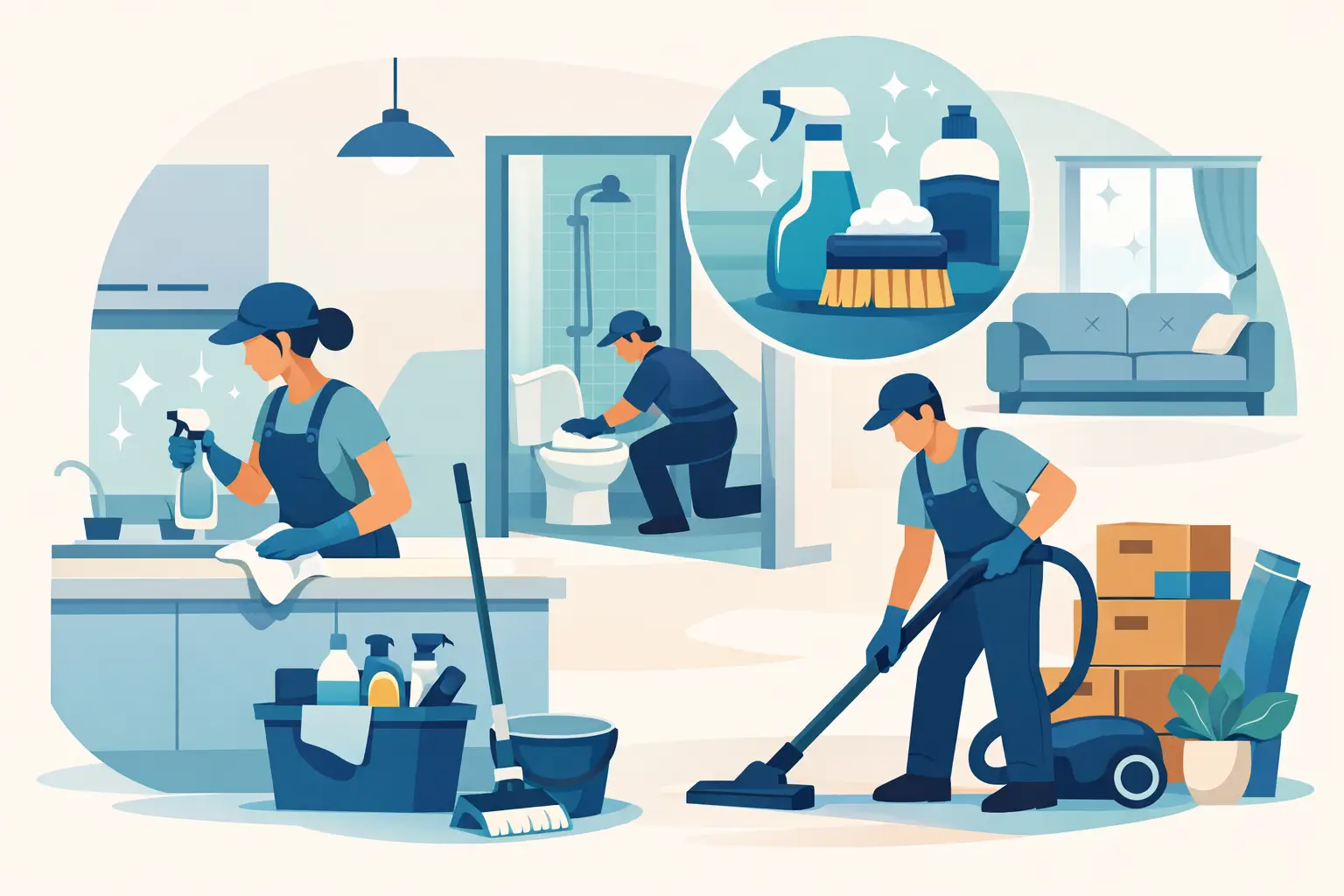
In most cases, end of tenancy cleaning covers all rooms in the property, with attention to the surfaces and hidden areas that are often missed during day-to-day cleaning. That usually means kitchens, bathrooms, bedrooms, living areas, hallways and internal windows. Depending on the service booked, it can also include carpets, upholstery, appliances and specialist extras.
The exact scope does vary. A furnished flat may need more detailed work than an empty one. A studio that has been well maintained will be quicker than a family house after a long tenancy. Some landlords also expect professional carpet cleaning if it was done before move-in, especially where there are stains, pet hair or heavy wear.
The kitchen is usually the biggest job
If any room is likely to decide how clean the property feels, it is the kitchen. This is where end of tenancy standards tend to be highest because grease and food residue build up gradually and are easy to spot.
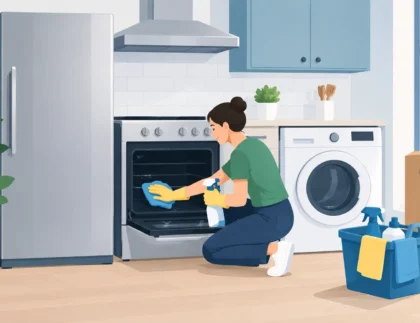
A proper kitchen clean normally includes work on the cupboards inside and out, worktops, splashbacks, tiles, sinks, taps and the outside of large appliances. The hob, extractor and oven are key areas. If there is one task tenants underestimate, it is oven cleaning. Burnt-on grease, trays, racks and the glass door often need far more than a quick wipe.
Fridge freezers are usually cleaned inside and out as long as they have been defrosted in advance. Microwaves, washing machines and dishwashers may also be included, again depending on the service and the condition of the appliances. Light switches, handles and skirting boards are normally part of the clean as well.
What is not guaranteed is the removal of permanent damage. A discoloured worktop, heat mark or mould caused by an ongoing maintenance issue is not a cleaning problem. Cleaning can improve appearance, but it cannot repair wear and tear.
Bathrooms need more than a quick once-over
Bathrooms are another area where agents and landlords look closely. Limescale, soap scum and water marks can make a bathroom look neglected even when it has been used carefully.
An end of tenancy bathroom clean typically covers the toilet, sink, bath, shower, taps, tiles, mirrors and screens. Cleaners will usually descale where possible, polish fittings, remove residue from surfaces and wipe down cabinets and ledges. Floors are vacuumed and mopped, and attention is given to corners, behind the toilet and around the base of fittings.
Grout and sealant are common sticking points. If there is light surface build-up, it can often be improved significantly. If sealant is blackened or grout is permanently stained, cleaning may help but not fully restore it. That is why it is always worth being realistic about the difference between dirt and deterioration.
Bedrooms and living areas are cleaned throughout
In bedrooms, lounges and general living spaces, the focus is on dust, marks and neglected edges. A standard end of tenancy clean usually includes dusting and wiping accessible surfaces, cleaning wardrobes and cupboards inside and out, removing cobwebs, vacuuming carpets and mopping hard floors.
Internal glass, mirrors, window sills, skirting boards, sockets, switches and door frames are also commonly included. If the property is furnished, cleaners may wipe down furniture exteriors and reachable surfaces around beds, sofas, tables and shelves.
Walls are a grey area. Light surface marks may come off, but full wall washing is not always part of a standard package because paint finishes vary and scrubbing can cause damage. If there are scuffs, finger marks or stains, it is best to ask in advance what can be treated safely.
What about floors, carpets and windows?
This is where many tenants get caught out, because they assume everything is automatically covered. Sometimes it is, and sometimes it is an optional extra.
Hard floors are generally vacuumed and mopped as part of the clean. Carpets are usually vacuumed too, but deep carpet cleaning is often a separate service. If your tenancy agreement mentions professional carpet cleaning, or if the carpets have visible marks, it is sensible to book that specifically rather than assume a standard clean will be enough.
Windows also depend on the service. Internal window cleaning is commonly included. External window cleaning may not be, especially in upper-floor flats where access and safety matter. If your checkout inventory highlights windows, ask exactly which panes and frames are covered.
What is usually not included?
A good end of tenancy clean is thorough, but it is not the same as maintenance, waste clearance or a removals service. That distinction matters.
Most cleaning companies will not remove large amounts of rubbish, dispose of abandoned furniture or deal with repairs. They also will not usually clean outside areas such as balconies, gardens, garages or external sheds unless arranged in advance. Pest issues, heavy mould treatment and damage restoration normally need specialist services.
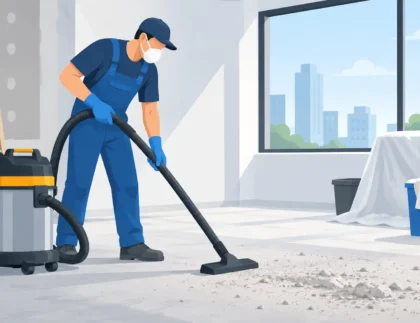
There can also be practical limits. If a cleaner cannot reach a high area safely, or if the property still has boxes, bags and personal belongings everywhere, some tasks may not be possible to complete properly. End of tenancy cleaning works best when the property is empty or very close to empty.
Why landlords and agents are so particular
This level of cleaning is not about perfection for the sake of it. It is about presenting the property in a condition that matches the agreement and allows the next occupier to move in without delay.
Landlords want the property re-let quickly. Letting agents want fewer disputes. Tenants want their deposit back with as little friction as possible. A proper deep clean helps all three.
That said, expectations should still be fair. A property does not have to look brand new if it has been lived in for years. There is a difference between cleaning issues and normal wear. Faded paint, old sealant, worn carpets and chipped tiles are not always something cleaning can solve.
How to know what your property needs
The best approach is to compare the current condition of the property to the original inventory, if one exists. That gives you the clearest picture of what may be checked at the end of the tenancy.
Look closely at the kitchen, bathroom, floors and inside storage areas. Those are the places where deductions most often start. If you have pets, children or a long tenancy behind you, it is worth assuming the clean will need more time and more detail than expected.
It is also smart to ask direct questions before booking. Does the service include oven cleaning? Is carpet cleaning separate? Are inside cupboards included? What about limescale removal or internal windows? A clear scope avoids nasty surprises later.
For busy tenants and landlords across London, this is where a professional service can save a lot of stress. The Ultimate Cleaners handles end of tenancy work with that reality in mind – clear coverage, practical extras where needed, and the kind of thorough finish that makes handover easier.
A final word on getting it right
If you are asking what is included in end of tenancy cleaning, you are already asking the right question. The real goal is not just to make the place look tidy. It is to leave nothing obvious behind for an inventory clerk to flag. When the cupboards, appliances, bathroom fittings and forgotten corners have all been properly dealt with, the whole move feels lighter – and that is one job worth getting off your list.