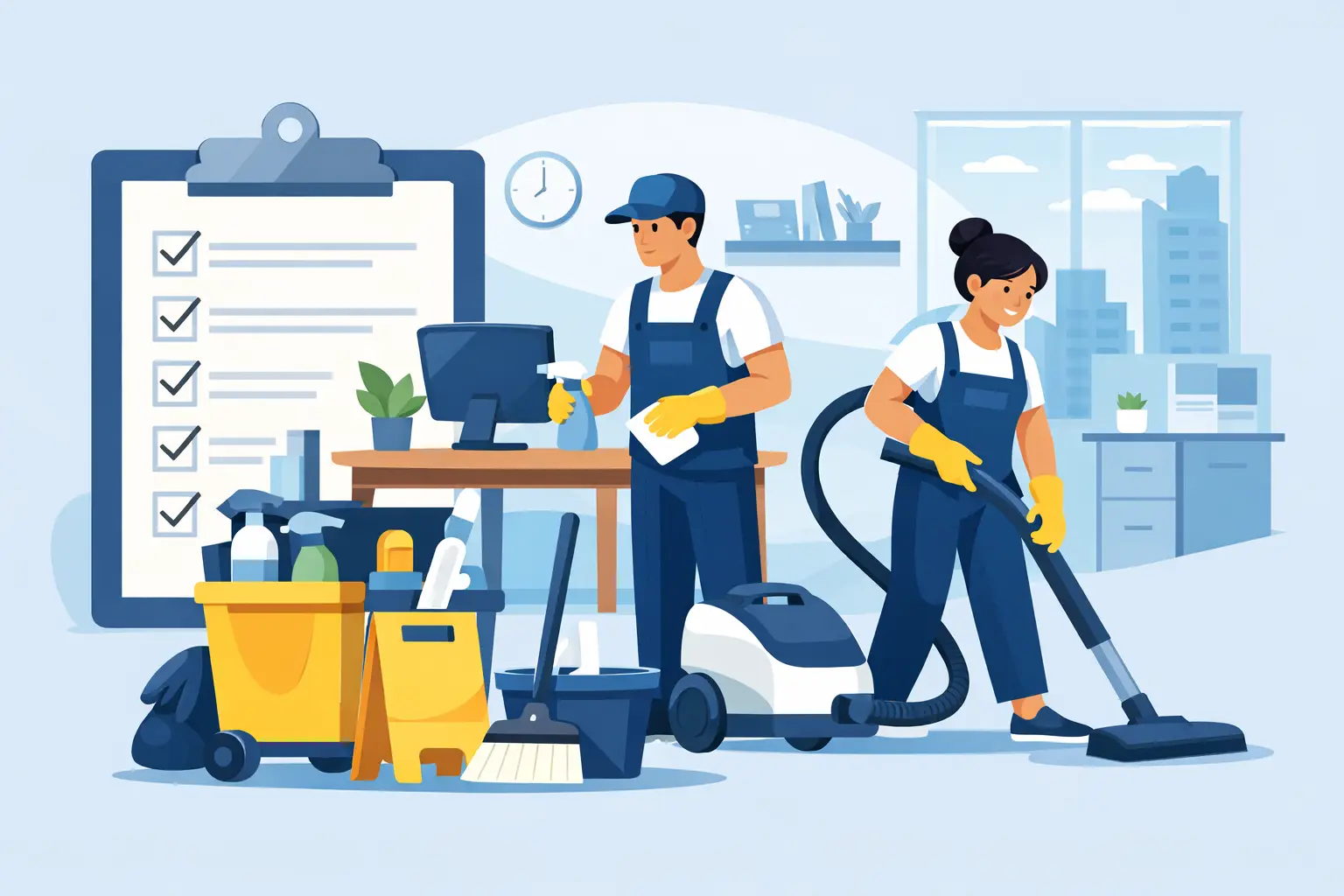
If your office starts the week looking tidy but feels tired by Wednesday, the problem usually is not effort – it is the lack of a clear office cleaning services checklist. When cleaning tasks live in people’s heads, the obvious jobs get done and the less visible ones get missed. That is when desks look fine, but kitchens smell stale, washrooms slip below standard, and dust builds up in corners no one notices until a client does.
A good checklist does two jobs at once. It keeps the workplace presentable day to day, and it protects hygiene standards over time. For office managers, facilities teams and business owners, that means fewer complaints, fewer rushed clean-ups before meetings, and a workspace people actually want to use.
What an office cleaning services checklist should cover
The best office cleaning services checklist is not just a list of chores. It should reflect how your office is used, how many people come through it, and what standard you need to maintain. A five-person admin office in Marylebone does not need the same schedule as a busy open-plan team in Canary Wharf with shared meeting rooms, kitchens and constant visitors.
That is why a useful checklist is built in layers. Some tasks need doing every day because they affect hygiene and first impressions straight away. Others can be handled weekly, fortnightly or monthly. The aim is not to clean everything all the time. The aim is to clean the right things at the right frequency.
Daily office cleaning checklist
Daily cleaning is where consistency matters most. These are the tasks that stop the office from slipping into that slightly grim, neglected state staff notice even if they do not mention it.
Reception areas, entrances and shared walkways should be vacuumed or mopped, depending on the floor type. Glass on entrance doors should be spot-cleaned so fingerprints do not build up. Bins should be emptied and relined, especially in high-traffic areas where overflow quickly makes the whole office feel messy.
Desks do not always need a full detailed clean every day, particularly in flexible or hybrid workplaces, but exposed surfaces should be wiped where needed. Shared desks, hot-desking stations, telephones and touchpoints need more attention than assigned workstations. If your team shares equipment, keyboards, mice and desk phones should be sanitised regularly.
Kitchens and tea points need daily care without exception. Worktops should be cleaned and disinfected, sinks rinsed and polished, cupboard fronts wiped, and floors mopped. The outside of appliances such as microwaves, kettles and fridges should be cleaned daily, because these are the spots everyone touches and almost no one wipes.
Washrooms are non-negotiable. Toilets, sinks, taps, mirrors and dispensers need cleaning and sanitising every day, often more than once in busier offices. Soap, toilet roll and hand towels should be restocked before they run low, not after complaints start.
Meeting rooms also deserve a quick daily reset. Tables should be wiped, chairs straightened, bins emptied and smudges removed from glass panels. It sounds basic, but a clean meeting room changes how professional the whole business feels.
Weekly tasks that stop small problems becoming big ones
Daily cleaning keeps things under control. Weekly cleaning is what stops a presentable office from becoming a dusty one.
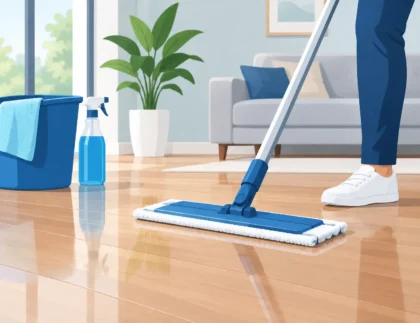
Floors need more than a quick pass. Carpets should be vacuumed thoroughly, with attention to edges, under desks and around skirting boards. Hard floors may need a deeper machine clean or more detailed mopping depending on traffic levels. If your entrance picks up a lot of street dirt, this may need doing more often.
Dusting should go beyond eye level. Shelves, window ledges, monitor tops, skirting, chair legs and low-use surfaces gather dust surprisingly fast. In many offices, these are the tasks that get skipped first because they do not scream for attention. They still affect air quality and overall appearance.
Glass partitions and internal windows should be cleaned properly each week, not just when marks become obvious. In modern offices with lots of glazing, this makes a real difference. Smudged glass can make even a smart fit-out look neglected.
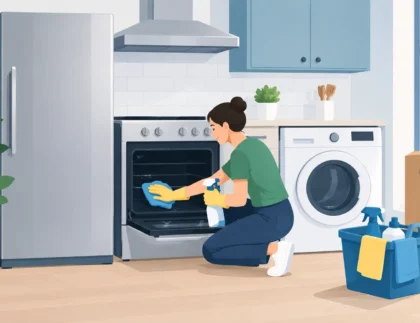
Kitchen appliances need a more detailed clean too. That includes the inside of microwaves, fridge shelves, cupboard handles and splashbacks. Left alone, these areas turn into a hygiene issue rather than a housekeeping one.
Monthly and periodic deep-clean items
Some jobs do not need daily or weekly attention, but they should still be on the schedule. This is where many office cleaning plans fall short.
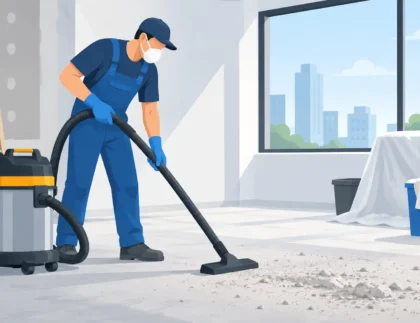
A proper office cleaning services checklist should include periodic tasks such as high-level dusting, deep carpet cleaning, upholstery cleaning, internal window cleaning, detailed sanitising of touchpoints, and descaling in kitchens and washrooms. Vents, radiators, behind furniture and under heavier equipment also need occasional attention.
It depends on your office layout and industry. A low-footfall professional office may only need deep carpet cleaning every few months. A busier site with regular visitors, food handling or high washroom usage may need a much tighter cycle. There is no point paying for deep cleaning too often if the space does not need it, but leaving it too long usually costs more later.
Areas that often get missed
Most offices are not let down by the obvious. They are let down by the details.
Light switches, door handles, bannisters and lift buttons are high-touch areas that should be part of routine sanitising. The tops of cupboards, behind monitors, under reception seating and around skirting boards are common dust traps. Shared tech, especially printers and conference room controls, is another blind spot.
Then there are the places people only notice when they are unpleasant – the fridge seal, the bin lid, the corners of washroom floors, and the smell coming from neglected drains. These small misses shape how clean an office feels far more than most people expect.
Matching the checklist to your office
One size does not fit all. A law office, creative studio, medical admin site and co-working space all use their premises differently. The right checklist should reflect staff numbers, visitor levels, opening hours, floor finishes and whether your team works fixed hours or on staggered shifts.
For example, if your office runs early starts and late finishes, cleaning may need to happen outside core business hours to avoid disruption. If you host clients every day, front-of-house standards may need more frequent attention than back-office areas. If your building has carpets throughout, the focus will differ from an office with hard floors and glass partitions.
This is where a professional cleaner adds real value. You are not just paying for labour. You are paying for a workable schedule, the right products, and the experience to spot what your office needs before it becomes a problem.
Why professional office cleaning checklists work better
In-house cleaning lists often start strong and then lose shape. Staff are busy, expectations vary, and accountability gets fuzzy. A professional service works better because the checklist is structured, repeatable and tied to clear standards.
That does not mean every clean is identical. A good cleaning team adjusts around your office traffic, seasonal issues and changing priorities. Winter brings more mud and rain at entrances. Summer can mean more dust and faster build-up in kitchens. Flu season may call for more frequent sanitising of shared surfaces.
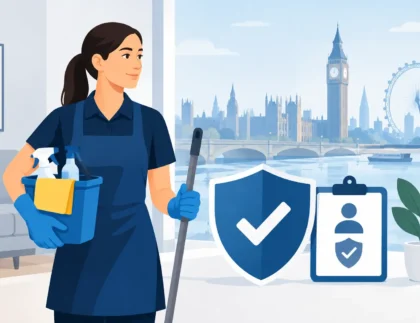
For London businesses, reliability matters just as much as the checklist itself. You need cleaners who turn up on time, work around your schedule and keep standards steady whether your office is in Soho, Islington or Ealing. That consistency is what saves time and hassle.
Building a checklist that people actually use
The best checklist is simple enough to follow and detailed enough to prevent guesswork. It should separate daily, weekly and periodic tasks clearly. It should also identify who is responsible, when cleaning should happen, and which areas need special handling.
Keep it practical. If a task is too vague, it gets skipped. “Clean kitchen” means different things to different people. “Wipe worktops, sanitise sink, clean appliance exteriors, mop floor and empty bins” is much clearer.
It also helps to review the checklist every few months. If complaints keep coming from one area, your schedule may be wrong. If certain tasks are always unnecessary, you may be over-cleaning. The goal is a checklist that reflects real use, not a document that looks impressive and gathers dust in a drawer.
For businesses that want cleaning handled properly without adding more admin, working with a dependable local team makes life easier. The Ultimate Cleaners supports London offices with routine and deep cleaning built around the way each workplace actually runs.
A clean office should not rely on reminders, favours or last-minute panic before visitors arrive. With the right checklist in place, cleaning becomes one less thing to chase – and your team gets a workplace that feels ready for work every single day.