That strong chemical smell after a kitchen scrub is not proof that your home is cleaner. More often, it is just a sign that the product is harsh. For many London households, eco-friendly cleaning products for homes are no longer a niche choice. They are a practical way to keep bathrooms, kitchens and living spaces clean without filling the air with overpowering fumes or covering surfaces in unnecessary residues.
If you are juggling work, family, tenants, guests or a busy household, the appeal is simple. You want products that do the job properly, are safer to use around children and pets, and do not leave your home smelling like a laboratory. The good news is that greener cleaning has improved a lot. The bad news is that not every bottle with a leaf on the label is worth your money.
What makes cleaning products genuinely eco friendly?
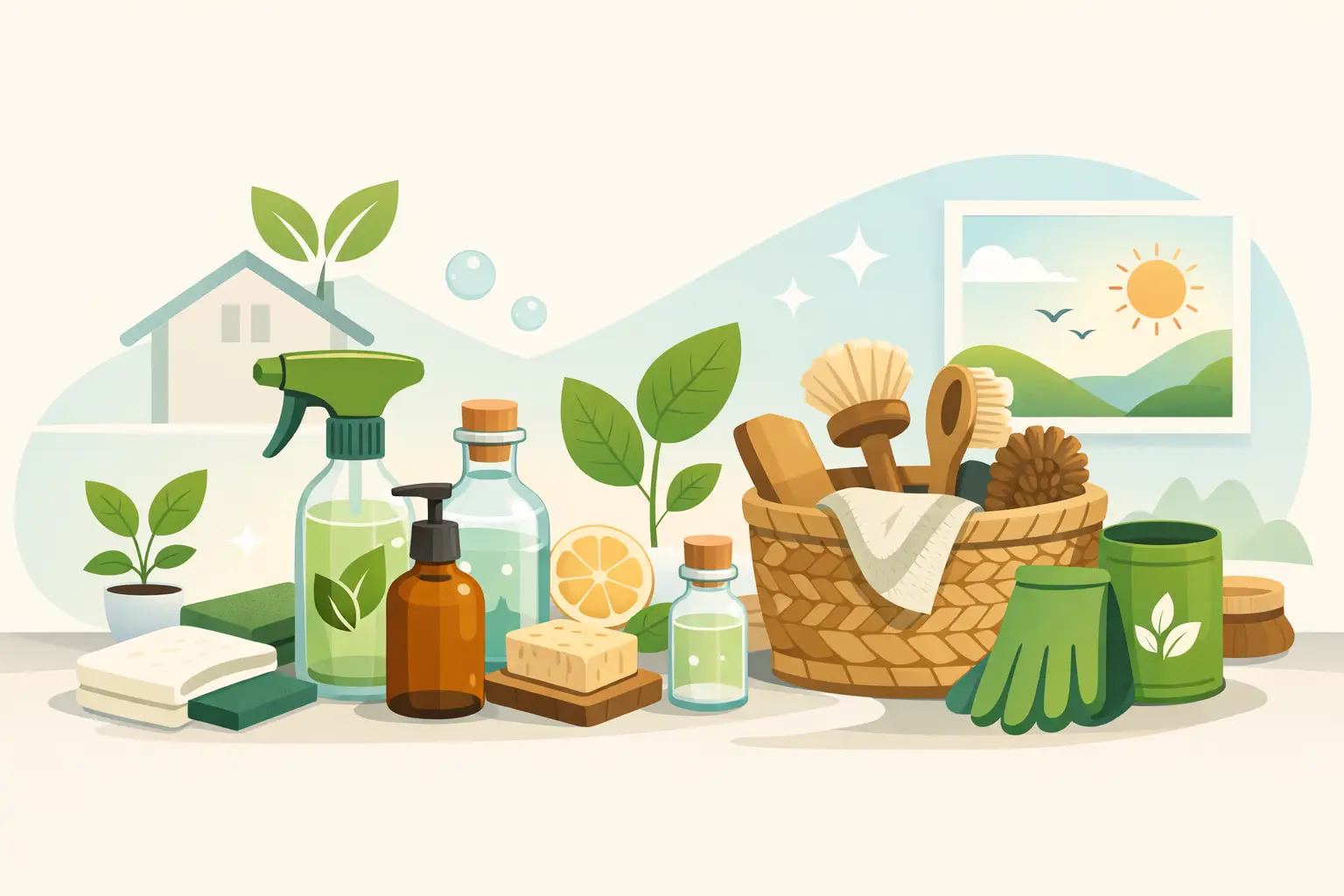
A product is not automatically eco-friendly because the packaging is beige or the scent says eucalyptus. In practical terms, better options tend to use biodegradable ingredients, avoid unnecessarily harsh chemicals, and come in packaging designed to reduce waste. Some are refillable. Some are concentrated, which means less plastic and less transport impact per clean.
That said, eco-friendly does not always mean perfect. A natural ingredient can still irritate skin, and a lightly fragranced product can still trigger sensitivity in some people. The real test is whether a cleaner works well, uses ingredients more responsibly, and fits the way you actually clean your home.
For most households, that means looking for a sensible middle ground. You do not need a cupboard full of specialist bottles for every surface. A few reliable products, used properly, usually clean better than a crowded shelf of half-used sprays.
Why more households are switching to eco-friendly cleaning products for homes
The first reason is air quality. Spray-heavy cleaning routines can leave bathrooms and kitchens full of fumes, especially in smaller London flats where ventilation is not always ideal. Gentler products often make routine cleaning more comfortable, particularly if you are cleaning often or in enclosed spaces.
The second is surface care. Some harsh products can wear down finishes over time. Worktops, wooden details, painted surfaces and sealed floors do not always benefit from aggressive chemicals. A cleaner that is tough on grease but not rough on materials is usually the smarter long-term choice.
The third is day-to-day practicality. Many people assume green cleaning means more scrubbing and weaker results. That can be true if you pick poor products or use them wrongly. But well-made eco-friendly options can handle grease, soap scum and general dirt perfectly well, especially when paired with the right cloths, tools and routine.
The products most homes actually need
A useful cleaning kit should be simple. In most homes, an all-purpose spray, a bathroom cleaner, a washing-up liquid, a floor cleaner and a glass cleaner will cover the essentials. If you have carpets, pets, frequent cooking or children, you may also want a targeted stain remover or deodorising product.
The main thing is to match the product to the task. An eco-friendly all-purpose cleaner can be excellent for counters, cupboard doors and tables, but it may not be enough for heavy limescale in a shower. Likewise, a gentle bathroom product may be right for regular maintenance, but if scale has built up for months, you may need a stronger treatment or professional help.
That trade-off matters. Eco-cleaning works best when used consistently. Light, regular cleaning usually gets better results than waiting until grime becomes stubborn.
All-purpose cleaners
These are the workhorses of home cleaning. A good one should handle everyday marks, grease splashes and dust without leaving a sticky film. This is where many households can cut down on waste. One solid multi-surface product often replaces several separate bottles.
Look for formulas that are suitable for sealed surfaces and easy to wipe away. If a product leaves streaks or residue, people tend to use more of it, which defeats the point.
Kitchen cleaners
Kitchens need a bit more muscle. Grease around hobs, splashbacks and extractor areas can build up quickly. Eco-friendly kitchen cleaners can work very well here, but they usually perform best when given a little dwell time instead of being sprayed and wiped off immediately.
That is a common mistake. People expect instant results from every product. Sometimes leaving the cleaner on for a minute or two does more than scrubbing hard for five.
Bathroom cleaners
Bathrooms are where expectations need to be realistic. Soap scum, limescale and trapped moisture can be stubborn, especially in hard-water areas. Eco-friendly products can manage regular bathroom upkeep very effectively, but if taps, shower screens and grout have been neglected, they may need repeated treatments.
In those cases, routine matters more than branding. A decent product used every week beats an expensive bottle used once a month.
How to spot greenwashing
Some products are sold on image rather than performance. If the front label makes broad claims but gives little useful detail about ingredients, packaging or use, be cautious. Terms such as natural, plant-based or non-toxic can sound reassuring, but they are often vague.
It helps to look beyond marketing language. Clear ingredient information, refill options, concentrated formulas and straightforward usage instructions usually suggest a product has been designed with some care. If the bottle makes big environmental claims but still encourages heavy use for basic cleaning, that is worth questioning.
Price matters too. Eco-friendly products are sometimes more expensive upfront, but concentrated formulas can work out better value over time. Cheap products that require repeated spraying, extra wiping and frequent repurchasing are not always the bargain they seem.
Using eco-friendly cleaning products for homes properly
A better product still needs the right method. One reason people think greener cleaners are weak is that they use too much, wipe too soon, or apply them with poor tools.
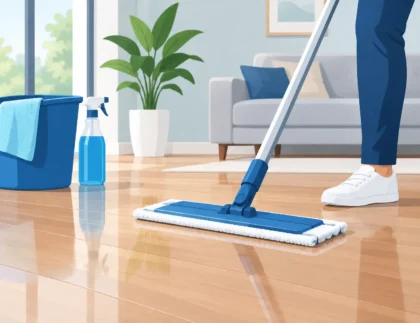
Microfibre cloths, decent sponges and a simple cleaning order make a bigger difference than most people realise. Start high, work down, and tackle dry dust before using wet products. In kitchens and bathrooms, give the cleaner time to loosen grime. On glass, use less product than you think you need.
Another practical point is storage. Keep products somewhere cool and dry, and follow dilution instructions carefully if you are using concentrates. More product does not automatically mean a better clean. Often it just means more residue to remove.
When eco-cleaning at home is enough, and when it is not
For everyday upkeep, eco-friendly products are usually more than enough. Wiping surfaces, freshening bathrooms, cleaning floors and staying on top of general household mess do not require industrial-strength chemicals.
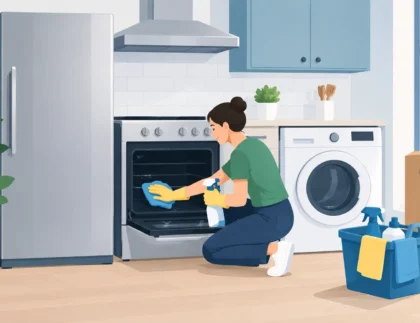
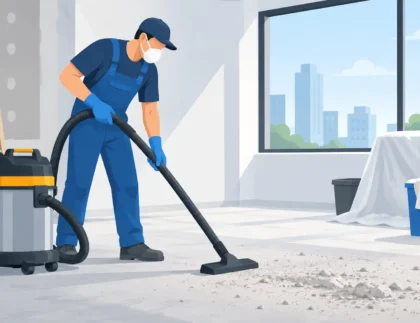
But there are situations where the condition of the property changes the job. End of tenancy cleans, post-build dust, heavy oven grease, carpet staining or a long-neglected bathroom may need specialist treatment, commercial-grade equipment or a trained team. That does not mean eco-conscious cleaning goes out of the window. It means the right approach depends on the level of dirt, the surfaces involved and the result needed.
That is often the biggest difference between routine home cleaning and professional cleaning. It is not just the products. It is knowing what to use, where to use it and how to avoid damaging the space while still getting a proper result.
A smarter approach for busy households
If you are trying to keep your home in good order without spending every weekend cleaning, simplicity wins. Choose a small set of reliable products. Use them little and often. Pay attention to kitchens and bathrooms before build-up becomes a project. And if you know a task is beyond what you can realistically manage, get help before it turns into a bigger job.
For households across London, that balance tends to work best. Eco-conscious cleaning is not about chasing perfection or making life harder. It is about keeping your home fresh, hygienic and comfortable in a way that feels sensible. At The Ultimate Cleaners, that is how we see it too – practical cleaning choices, done properly, make everyday life easier.
The best cleaning product is the one that keeps your home clean without creating extra problems, and that usually means choosing something effective, straightforward and kind to the space you live in.