
If your kitchen looks tidy but the grease behind the hob says otherwise, you’re already dealing with the question of deep cleaning vs regular cleaning. They’re not the same service, and choosing the wrong one can leave you paying for a clean that doesn’t match what your property actually needs.
For busy households, landlords between tenancies, office managers, and business owners, the difference matters. Regular cleaning keeps a space presentable and manageable. Deep cleaning tackles the grime, build-up, and neglected areas that a routine visit usually won’t cover. Both are useful. The trick is knowing when each one makes sense.
What deep cleaning vs regular cleaning really means
Regular cleaning is maintenance cleaning. It’s the work that keeps your home or workplace in good day-to-day condition – wiping surfaces, vacuuming floors, mopping hard areas, cleaning bathrooms, emptying bins, and keeping visible dust and dirt under control. It’s the type of cleaning people book weekly, fortnightly, or on a set schedule.
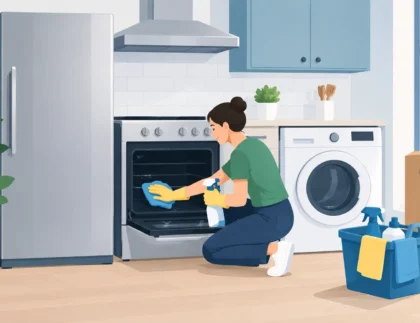
Deep cleaning goes further. It focuses on the hidden dirt, stubborn residue, and high-touch or hard-to-reach areas that gradually build up over time. Think limescale around taps, grease on kitchen tiles, dust on skirting boards, grime behind appliances, soap scum in shower screens, marks on doors, and neglected corners that don’t get attention in a standard clean.
A simple way to think about it is this: regular cleaning maintains a standard, while deep cleaning resets it.
What’s usually included in regular cleaning
A regular clean is built around consistency. The aim is to keep your property fresh, hygienic, and presentable without turning every visit into a top-to-bottom project. In most homes, that means the cleaner focuses on the rooms you use most and the surfaces that collect visible dirt fastest.
Typical regular cleaning includes dusting accessible surfaces, vacuuming carpets and rugs, mopping floors, wiping kitchen worktops, cleaning the sink, hob exterior, bathroom toilet, basin, shower or bath surfaces, mirrors, and general tidying of the cleaned areas. In an office, it often means desks, communal kitchens, washrooms, floors, bins, and touchpoints.
That doesn’t mean regular cleaning is light work. Done properly, it makes a huge difference to comfort and hygiene. But it is usually time-controlled and priority-led. If a cleaner has a set number of hours, they’ll focus on maintaining the areas that matter most rather than pulling out appliances or scrubbing years of build-up.
What’s usually included in a deep clean
A deep clean is more detailed and more intensive. It’s designed for properties that need extra attention, whether because they haven’t been professionally cleaned in a while or because the situation calls for a higher standard.
In a home, that often includes descaling bathroom fittings, removing built-up grease from kitchen surfaces, cleaning skirting boards, door frames, light switches, lower wall marks, inside reachable cupboards if agreed, behind and under furniture where accessible, and more detailed work on tiles, grout, taps, and fixtures. In commercial settings, a deep clean may target washrooms, staff kitchens, floors, touchpoints, entrances, and neglected areas that routine cleans don’t fully restore.
Some people assume a deep clean means every single surface is cleaned inside and out, no matter the condition. In reality, it depends on the property, the service booked, and the time allowed. A proper cleaning company will explain the scope clearly so expectations match the job.
When regular cleaning is the right choice
If your property is already in decent condition and you want to keep it that way, regular cleaning is usually the smarter option. It’s ideal for busy professionals who don’t want cleaning to eat into evenings and weekends, families trying to stay on top of the mess, and businesses that need a reliable standard every week.
Regular cleaning also tends to be more cost-effective over time because it prevents dirt from becoming a bigger problem. A well-maintained office kitchen is easier to clean than one left to accumulate grease and spills for six months. The same goes for bathrooms, flooring, and high-use areas at home.
There’s also a practical point here. If you stay on top of cleaning consistently, you may only need the occasional targeted deep clean rather than a full reset every time.
When a deep clean makes more sense
Deep cleaning is the better fit when maintenance alone won’t solve the problem. If a property looks clean at first glance but still feels grimy, smells stale, or has visible build-up in corners and neglected areas, a standard clean may not be enough.
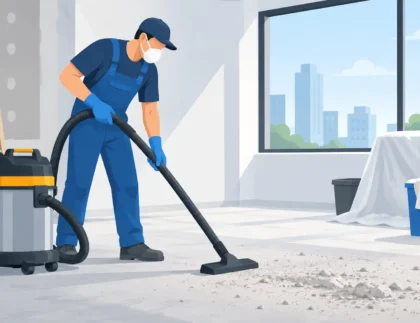
This is especially common before or after a move, after renovation work, at the start of a new regular cleaning schedule, or when preparing a rental property for new occupants. It’s also a strong option for seasonal resets, after illness, or before important events where first impressions matter.
For commercial spaces, deep cleaning often makes sense after busy trading periods, before inspections, or when hygiene standards need more than routine upkeep. Restaurants, shops, offices, showrooms, and medical environments all have moments when a surface-level clean simply won’t do.
Deep cleaning vs regular cleaning for homes
In domestic properties, the choice usually comes down to condition and lifestyle. If you live in a flat that gets lightly used and you already keep things fairly tidy, regular cleaning may be all you need. If you have pets, children, limited time, or a home that’s gone a bit off track, starting with a deep clean can make future upkeep much easier.
A lot of homeowners and tenants make the mistake of booking a regular clean for a property that actually needs a reset. Then they’re disappointed when stains, limescale, or ingrained dirt remain. That’s not because the cleaner has done a poor job. It’s because the service type didn’t match the condition of the space.
If you’re unsure, be honest about the state of the property when requesting a quote. A good cleaner would rather know upfront than arrive expecting maintenance cleaning and find a full deep-clean situation.
Deep cleaning vs regular cleaning for businesses
For workplaces, regular cleaning supports appearance, staff wellbeing, and daily hygiene. It keeps washrooms usable, floors presentable, bins under control, and shared spaces fit for work. That consistency matters, especially in London businesses where staff, customers, and visitors notice cleanliness quickly.
Deep cleaning is more strategic. It helps tackle the wear that routine schedules can’t always cover, especially in high-footfall sites or environments with stricter hygiene expectations. Office carpets, washroom fittings, kitchen grease, neglected corners, internal glass, and high-touch areas may all need periodic intensive attention.
The right setup is often a mix of both: regular cleaning to maintain standards, with deep cleans booked at intervals to stop standards slipping.
The cost difference and why cheaper isn’t always better
Deep cleaning generally costs more than regular cleaning because it takes longer, needs more detail, and often requires stronger techniques or specialist products. That said, cheaper regular cleans can become false economy if your property keeps falling below the standard you need.
It depends on the result you’re after. If you need a home ready for guests, tenants, or a fresh start, paying for a deep clean can save time and frustration. If your property is already well looked after, booking a deep clean when you only need maintenance may be more than necessary.
The better question is not “Which is cheaper?” but “Which service will actually fix the issue?”
How to choose the right service
Start with the condition of the space, not the label. If the main issue is everyday dust, crumbs, bathroom splash marks, and general upkeep, regular cleaning is probably right. If the issue is build-up, neglected detailing, or a space that hasn’t had proper attention in some time, deep cleaning is the better call.
It also helps to think about timing. If you’re moving in, moving out, reopening a workspace, recovering after building work, or setting up a new routine, starting with a deep clean is often the sensible move. Once the property is back to a solid standard, regular visits can keep it there.
For many London customers, the best answer is not one or the other forever. It’s a deep clean first, then regular cleaning afterwards. That approach gives you the reset and the maintenance, without letting dirt build back up.
At The Ultimate Cleaners, that’s often what people want most – not just a cleaner space for a day, but less stress going forward.
If you’re weighing up deep cleaning vs regular cleaning, think less about the wording and more about the outcome. The right service should make your property feel easier to live in, easier to manage, and easier to trust when someone walks through the door.