You usually notice the pressure of an end of tenancy clean when the boxes are packed, the keys are nearly due back, and the property suddenly looks less tidy than it did all year. Marks on the skirting boards, grease on the hob, limescale in the bathroom, dust behind furniture – none of it feels dramatic on its own, but together it can affect your deposit, delay handover, or create extra work for landlords and agents.
That is why end of tenancy cleaning is rarely just a quick tidy-up. It is a detailed clean with a clear purpose: leave the property in good condition for inspection and for the next occupant. Whether you are a tenant trying to avoid deductions or a landlord preparing for a new tenancy, the standard needs to be practical, thorough, and easy to evidence.
What end of tenancy cleaning actually involves
A proper end of tenancy clean goes beyond surface-level jobs. It usually means cleaning kitchens, bathrooms, bedrooms, living areas, hallways, internal glass, skirting boards, switches, sockets, doors, frames and floors. In many homes, it also means tackling areas that are easy to ignore during day-to-day life, such as behind appliances, inside cupboards, extractor fans, window sills and tiled splashbacks.
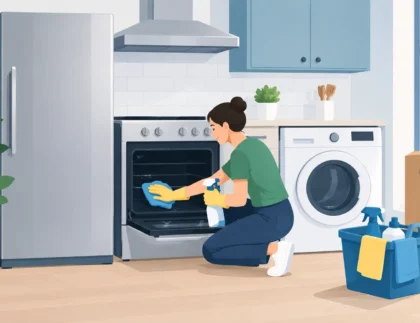
The kitchen tends to carry the most scrutiny. Ovens, hobs, extractor units, sinks and worktops collect grease and food residue fast, and these are among the first places an inventory clerk or landlord will inspect closely. In bathrooms, limescale, soap residue and mould staining are common sticking points. If these have built up over time, they often need much more than a quick wipe.
Carpets can complicate things. If they are heavily marked, have trapped odours, or were professionally cleaned before the tenancy began, a standard vacuum may not be enough. The same goes for upholstery if the property was furnished. This is where many people underestimate how long the clean will take.
Why deposits often hinge on the small details
Most deposit disputes do not come from one dramatic issue. They come from lots of smaller things that together suggest the property was not returned in the expected condition. Fingerprints on light switches, dust on blinds, crumbs in drawers, grease on cupboard tops and streaks on mirrors can all count against the overall impression.
It also depends on the check-in inventory. If the property was recorded as professionally cleaned at the start, the expectation at the end may be similarly high, allowing for fair wear and tear. That phrase matters. Fair wear and tear is not the same as dirt. Faded paint or worn carpet from normal use is one thing. Built-up grime, food spills, mould linked to poor housekeeping or stained sanitary ware is another.
For landlords, the issue is usually speed as much as cleanliness. A delayed turnaround can mean a void period lasts longer, viewings look less appealing, and the next tenant starts with the wrong first impression. A flat that smells fresh and looks properly reset is far easier to re-let.
The rooms people most often get wrong
Bedrooms and living rooms sound simple, but they often hide the most missed areas. Under-bed dust, marked wardrobes, dirty handles, cobwebs in corners and neglected skirting boards are common. In furnished properties, sofa edges and the space behind side tables can collect more dust than people realise.
Bathrooms often fail on finish rather than effort. You can spend an hour cleaning a bathroom and still leave streaks on taps, limescale around the shower screen and grime in grout lines. Those details make the room feel unfinished. The same goes for kitchens. A wiped hob is not the same as a fully degreased one.
Windows are another area where expectations need to be realistic. Internal window cleaning is often part of an end of tenancy service, but external window access may depend on the property type and safety. Ground-floor windows are one thing. Upper-floor sash windows in a London conversion are another. It always depends on access.
DIY or professional end of tenancy cleaning?
There is no single right answer. If the property is small, well maintained, and you have the time, energy and products to do the job properly, a DIY clean can work. This is more realistic when you have kept on top of cleaning throughout the tenancy and are not dealing with heavy grease, scale, pet hair or staining.
The trade-off is time and pressure. Moving day is already busy. If you are also sorting removals, meter readings, final bills and key return, a detailed clean can become rushed. That is when corners get cut, even unintentionally.
Professional cleaning makes more sense when the property needs a deep reset, when there is a tight handover window, or when you simply want peace of mind. It is especially useful for larger homes, furnished lets, student moves, or properties that have not had a deep clean in a while. A reliable team will know the common problem areas and work systematically rather than reactively.
For many busy London tenants and landlords, convenience matters as much as the result. Being able to book quickly, get a clear estimate and have the work handled without endless back-and-forth takes a lot of strain out of the move.
How to prepare for an end of tenancy clean
The clean is always easier and more effective when the property has been fully cleared first. Cleaners need access to surfaces, floors, cupboards and appliances. If bags, boxes or leftover furniture are still in place, results will be limited and the time needed may increase.
Defrosting the freezer in advance is one of the most overlooked jobs. If this has not been done, the inside cannot be cleaned properly. The same applies to emptying cupboards and making sure rubbish has been removed. A cleaner can clean around waste, but that is not the same as presenting a property ready for inspection.
It also helps to check your tenancy agreement before booking. Some agreements mention carpet cleaning, pest control in specific cases, or expectations around appliances and white goods. Those details can affect what service you actually need.
End of tenancy cleaning for landlords and agents
From a landlord’s point of view, consistency matters. The cleaner the property is between tenancies, the easier it is to inspect, carry out maintenance and welcome new tenants. Dirt can mask issues too. A bathroom that has been properly cleaned makes leaks, cracked sealant or mould-prone areas easier to spot before they become a bigger problem.
Agents often work to tight schedules, especially in high-demand parts of London where move-out and move-in dates can sit very close together. In that situation, a responsive cleaning service is not just helpful – it supports the whole handover process. A property that is cleaned promptly photographs better, shows better and lets faster.
This is where a dependable local team can make a real difference. The Ultimate Cleaners works with tenants, landlords and property managers who need a thorough clean without the usual hassle, especially when time is short and the standard still has to be high.
What a good result looks like
A good end of tenancy clean does not mean making an older property look brand new. It means removing dirt, grease, dust and residue so the home feels hygienic, well cared for and ready for inspection. That distinction matters, because some disappointment comes from expecting cleaning to repair wear, damage or ageing.
A scorched hob ring, chipped paintwork or worn carpet pile will not be fixed by cleaning alone. Equally, if there is significant mould caused by a structural issue, the answer may not be just stronger products. Cleaning is part of the handover standard, but it is not a substitute for repairs or maintenance.
The best approach is honest and practical. Know what cleaning can solve, allow enough time to do it properly, and do not leave the hardest jobs until the final hour.
When an end of tenancy clean is handled well, the whole move feels lighter. The property is easier to inspect, easier to hand over, and easier for the next person to walk into with a good impression. That is the real win – less stress, fewer surprises, and a cleaner start for everyone involved.