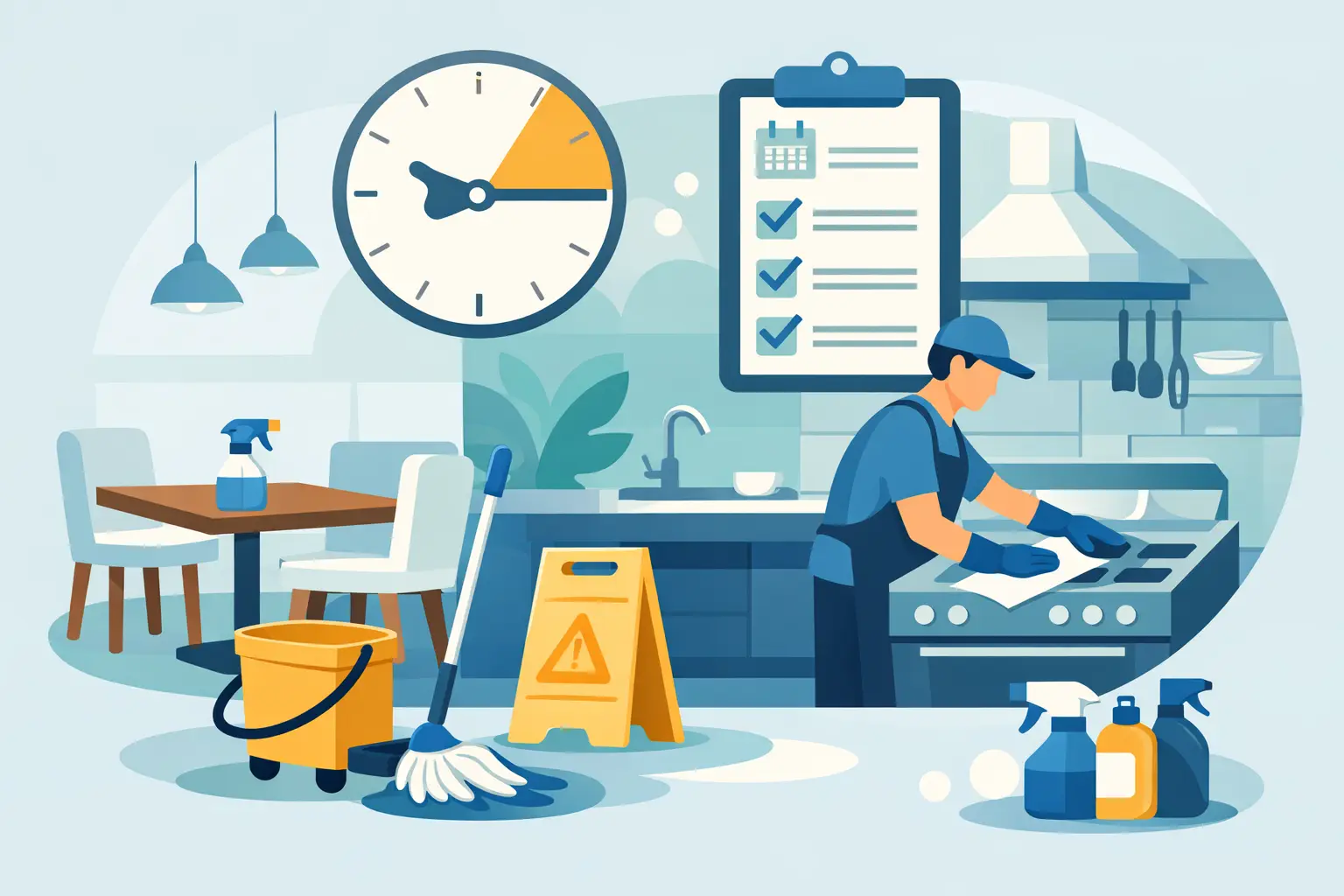
The lunch rush ends, the last plates are cleared, and someone says, “We’ll get to that tomorrow.” That is usually how grime builds up in a restaurant – not through one big mistake, but through small jobs being missed when service gets busy. A proper guide to restaurant cleaning schedules helps stop that pattern before it turns into hygiene problems, pest risks, equipment issues, or poor first impressions.
For restaurant owners and managers, cleaning is not just about appearances. It affects food safety, staff efficiency, customer confidence, and how well your operation holds up under pressure. The best schedule is not the one with the longest checklist. It is the one your team can actually follow, every day, without confusion.
Why a restaurant cleaning schedule matters
Restaurants get dirty fast. Grease settles where you do not notice it at first. Floors pick up food waste, liquids and foot traffic. Toilets can go from acceptable to unpleasant in a single service. Front-of-house needs to look spotless, but the back-of-house is where standards really protect the business.
A cleaning schedule creates accountability. When tasks are assigned by shift, area and frequency, there is less guesswork and less finger-pointing. It also makes training easier. New starters know what good looks like, supervisors know what to check, and management can spot patterns before they become expensive problems.
There is also a practical point here. Deep cleaning a neglected restaurant costs more time and more money than maintaining a clean one. If extraction systems, tiled walls, cold storage areas and wash stations are looked after properly, they stay in better condition and usually last longer.
How to build a guide to restaurant cleaning schedules that works
Start with your layout, not a generic template. A small café with light cooking needs a different routine from a high-volume takeaway or a full-service restaurant with fryers, grills and late trading hours. If your kitchen produces more grease, smoke or spills, your schedule needs more frequent attention.
Break the site into zones. In most restaurants, that means front-of-house, kitchen prep areas, cooking line, pot wash, storage, staff areas and toilets. Then decide what must be cleaned after every use, every shift, daily, weekly and monthly. This is where many businesses go wrong – they keep everything on one long list, which makes urgent hygiene tasks blend in with lower-priority jobs.
It also helps to assign responsibility by role. For example, chefs might handle line cleaning and food-contact surfaces, while closing staff cover floors and bins, and a manager signs off toilets and customer areas. Some tasks are best outsourced, especially specialist kitchen deep cleans, high-level dusting, carpet cleaning or hard-to-reach extraction work. That is often the sensible choice when internal teams are already stretched.
Daily cleaning tasks
Daily cleaning should focus on hygiene-critical areas and anything customers or inspectors will notice immediately. Food-contact surfaces need cleaning and sanitising throughout the day, not just at close. Chopping boards, prep tables, handles, taps and sinks should never be left until the end of service if they are used continuously.
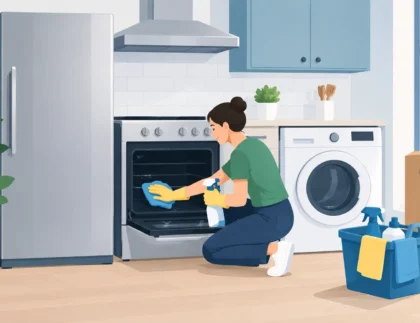
Cooking equipment also needs daily attention, but the level depends on the equipment. Hob surfaces, fryer exteriors, splashbacks, grill surrounds and oven handles usually need cleaning at the end of each day. Some items, like fryer oil management and grill cleaning, may need attention during service too if output is heavy.
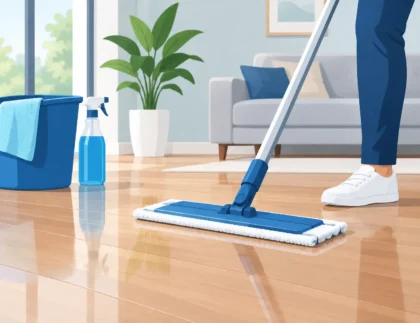
Floors are another non-negotiable. Sweeping alone is not enough in a restaurant kitchen. Food debris and grease travel quickly, and a floor that looks passable can still be slippery or unhygienic. Daily mopping with the right product matters, especially around cook lines, under prep benches and in walkways.
Front-of-house has its own daily standards. Tables, chairs, menus, payment points, door handles and bar areas should be cleaned regularly through service and again at close. Toilets need repeated checks during opening hours, then a fuller clean at the end of the day. If you run a busy venue in London, toilet presentation can shape a customer’s opinion of the whole business more than many owners like to admit.
Bins should be emptied, cleaned and relined daily. Storage areas should be checked for spills, damaged packaging and anything that could attract pests. This is simple work, but it is often what keeps a clean restaurant from becoming a problem site.
Weekly cleaning tasks
Weekly tasks are where you deal with the dirt that daily routines miss. That often includes cleaning behind movable equipment, descaling sinks and taps, wiping down walls, deep cleaning fridge seals, and tackling shelving in dry stores and cold rooms.
Weekly floor care should go beyond a quick mop. Corners, edges, grout lines and areas under fixed units collect grime gradually. If they are ignored for too long, the whole kitchen starts to feel harder to clean because dirt spreads back into daily-use areas.
This is also the right time to review less obvious touchpoints. Light switches, extractor canopies, small appliances, staff lockers, delivery areas and skirting boards can all build up grease, dust or marks. They may not all need attention every single day, but they should not be left indefinitely either.
A weekly check of cleaning supplies is worth building into the schedule as well. Running out of sanitiser, bin liners, cloths or degreasers often causes standards to slip. A schedule only works if the team has the tools to follow it.
Monthly and periodic cleaning tasks
Monthly cleaning should cover the heavier work that protects the long-term condition of the site. This can include deep cleaning ovens, moving larger equipment where safe to do so, washing down walls more thoroughly, cleaning vents and high surfaces, and checking for grease build-up in overlooked areas.
Some jobs are not truly monthly – they depend on your trading volume. A busy fried chicken shop may need extraction cleaning far more often than a sandwich bar. A fine dining site with carpets and upholstered seating will have different front-of-house needs from a tiled fast-casual venue. That is why the best restaurant cleaning schedules are adjusted over time rather than copied from another business.
Pest prevention checks should also sit in this part of the schedule. You are not trying to replace a pest control contractor, but regular checks for droppings, gnaw marks, damaged seals or hidden spills can help you act early.
Common mistakes that make schedules fail
The biggest mistake is making the schedule too ambitious. If your closing team realistically has 45 minutes after service, giving them 90 minutes of cleaning tasks will lead to corners being cut. Better to create a schedule that reflects staffing levels and opening patterns than one that looks good on paper and falls apart in practice.
Another common problem is vague wording. “Clean kitchen” is not a task. “Sanitise prep benches, wipe splashbacks, mop kitchen floor and clean sink surrounds” is clear enough to complete and inspect. Specific wording saves time and arguments.
There is also a trade-off between flexibility and consistency. You want staff to use judgement when a sudden spill or mess appears, but you also need fixed standards that happen whether the shift was calm or chaotic. The schedule should leave room for both.
Finally, many restaurants forget to verify the work. A signed checklist is useful, but only if someone actually checks the area. Spot checks matter. So does retraining if the same jobs are repeatedly missed.
When to bring in professional help
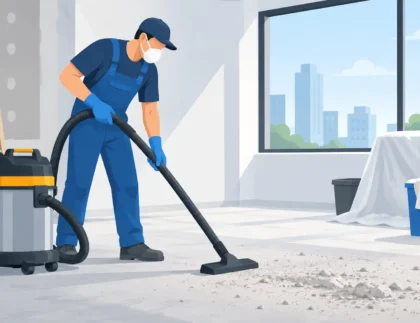
There is a point where in-house cleaning is not enough. If grease is building up in hard-to-reach areas, if kitchen floors never seem fully clean, or if your team is spending too much time on specialist tasks, outside support can make life easier. Professional restaurant cleaning is especially useful for periodic deep cleans, post-build cleans, carpet cleaning in dining areas, window cleaning and specialist commercial work that needs proper equipment and products.
For busy operators, this is not about replacing your team. It is about giving them a clean, manageable baseline and protecting standards when trade is relentless. A dependable commercial cleaner can also help around quieter hours, which reduces disruption to service.
For restaurants across London, from compact city sites to larger neighbourhood venues, the right support can take pressure off staff and help maintain a standard that customers notice straight away.
A simple way to keep the schedule alive
Keep the schedule visible, short enough to use, and detailed enough to inspect. Review it after a few weeks and be honest about what is being missed. If a task is always skipped, either it is assigned to the wrong shift, it needs better tools, or it belongs with a professional deep clean instead.
A good cleaning schedule should make the working day easier, not harder. When your restaurant is clean by routine rather than by last-minute panic, service runs better, staff feel more organised, and customers can tell the place is properly looked after. That is usually the difference between a restaurant that is just coping and one that stays ready for tomorrow.