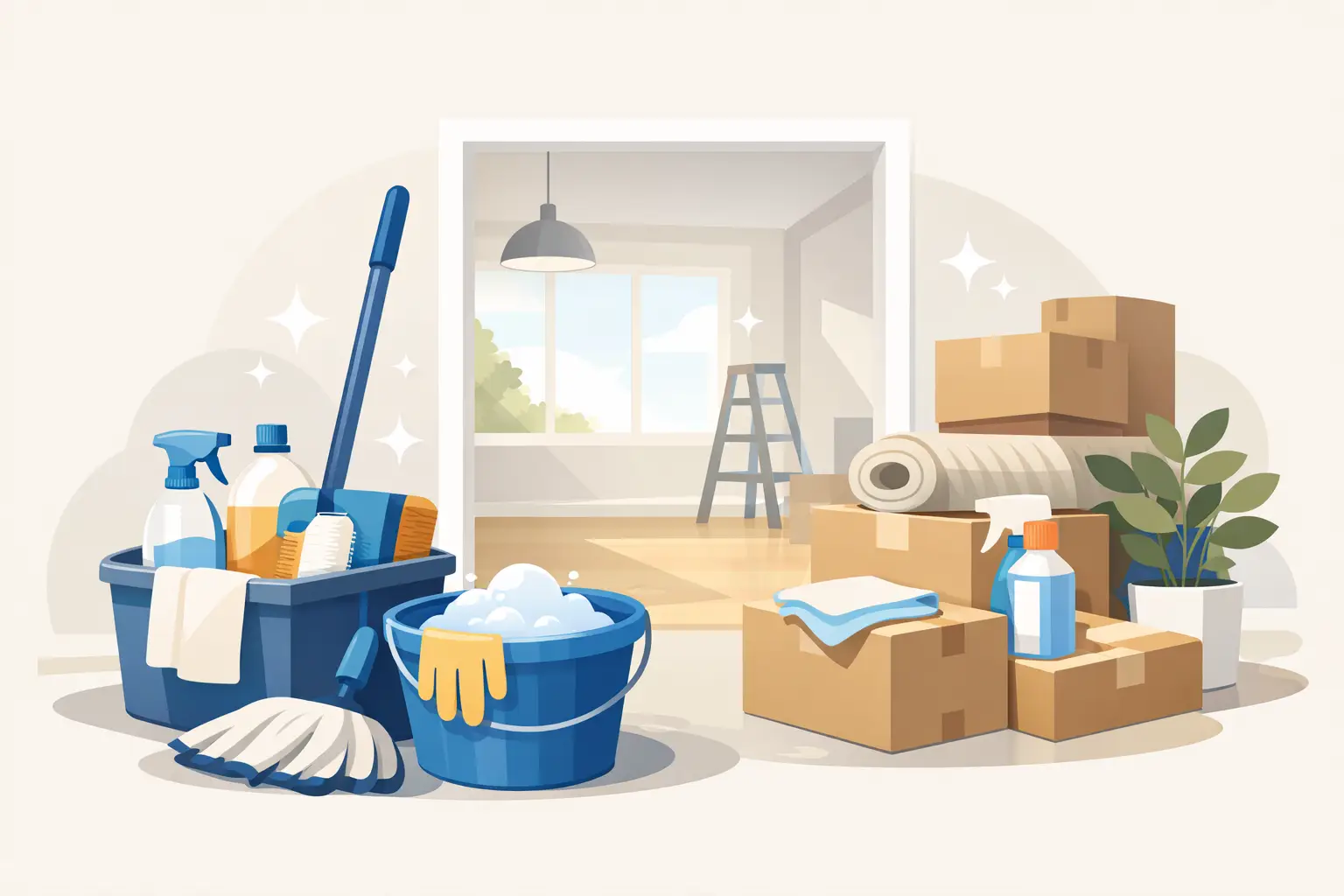
You open the front door, set down the boxes, and suddenly notice the bits the viewing never showed – dust on skirting boards, grease inside cupboards, marks around light switches, and a fridge that definitely needs attention. If you are wondering what cleaning is needed before moving in, the short answer is this: more than a quick wipe-down, but not always a full top-to-bottom restoration.
The right approach depends on the condition of the property, how long it has been empty, whether the last occupants cleaned properly, and how soon you need to unpack. A newly built flat needs a different clean from a long-rented family house. A well-kept home might only need a focused sanitising clean, while a neglected one may need a proper deep clean before a single plate goes in a cupboard.
What cleaning is needed before moving in first?
Start with the jobs that are hardest to do once furniture is in place. Empty rooms give you access to corners, inside storage areas, behind appliances and along the edges of floors. That matters because once the sofa, bed and wardrobes arrive, even basic cleaning becomes awkward.
The first priority is dust, grime and hygiene touchpoints. Floors need vacuuming and mopping, not just a quick once-over. Cupboards and drawers should be cleaned inside and out. Kitchens and bathrooms need disinfecting because they are the rooms where leftover bacteria, grease, soap scum and limescale cause the most trouble. If the property smells musty, stale or greasy, treat that as a sign that surfaces need more than cosmetic attention.
A common mistake is focusing only on visible areas. The obvious parts may look acceptable, but move-in cleaning should deal with the places previous occupants and even some cleaners often miss. Think extractor fans, window frames, door handles, light switches, the tops of doors, radiators, behind toilets and under sinks.
Kitchen cleaning before moving in
If there is one room to take seriously, it is the kitchen. You are storing food there from day one, so this is not the place for shortcuts. Every cupboard, drawer and shelf should be emptied and cleaned before you put anything away. Crumbs, grease residue and lingering smells are common, especially in rentals.
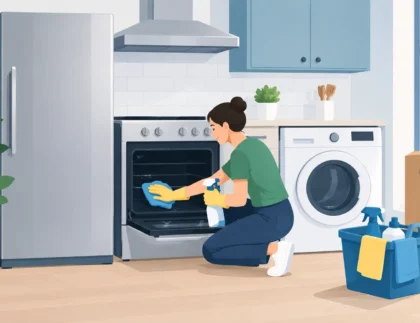
Appliances deserve special attention. The oven may need degreasing inside, including trays and racks. The fridge and freezer should be disinfected and left fresh, with seals wiped properly. If there is a washing machine or dishwasher, check the rubber seals, detergent drawers and filters. These areas often trap mould, grime and stale water.
Worktops, splashbacks, sinks and taps should be cleaned and sanitised thoroughly. If the property is in London and has hard water issues, limescale around taps and sink edges may need a bit more effort. It is not just about appearance. Thick limescale traps dirt and can make a kitchen feel older and less hygienic than it really is.
Bathroom cleaning before moving in
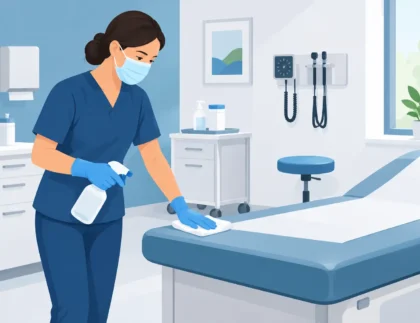
Bathrooms need proper disinfection before use. Toilets, basins, baths, shower trays and screens should all be cleaned with hygiene in mind, not just polished until they look shiny. A bathroom can appear clean while still holding soap residue, mould around seals, and bacteria on handles and flush buttons.
Pay close attention to grout, silicone edges and drains. If there is black mould around the bath or shower, that needs tackling early before it spreads or stains further. Shower heads and taps may also need descaling, particularly in older properties.
Mirrors, cabinets, towel rails and extractor fans are often forgotten. So are the undersides of toilet rims and the floor around the base of the loo. Those neglected spots tend to tell you whether the previous clean was truly thorough or just done for appearances.
Bedrooms, living areas and hallways
These rooms usually need less sanitising than kitchens and bathrooms, but they still need a full refresh. Dust settles everywhere in an empty home, especially if it has been unoccupied for a few weeks. Start high and work down so you are not cleaning the same surfaces twice.
That means dusting ceilings if needed, light fittings, curtain rails, window ledges, skirting boards, sockets, shelves and wardrobes before finishing with the floors. Built-in storage should be wiped inside before clothes, bedding or books go in. If the previous occupant had pets, check corners and radiator edges for hair and dander.
Marks on walls are worth assessing case by case. A few scuffs might wipe off easily. Heavy staining, nicotine residue or patchy marks may need more than cleaning and could point to a decorating job instead. That is one of those moments where it depends – not every problem is solved with products and elbow grease.
Floors, carpets and soft furnishings
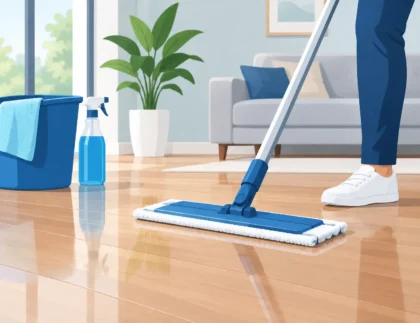
Floors matter more than people expect because you notice them every time you walk through the place. Hard floors should be vacuumed first, then washed with the right cleaner for the material. Wood, laminate, tile and stone all need different care. Too much water on the wrong floor can do more harm than the dirt.
Carpets are where a standard move-in clean sometimes falls short. If they look tired, smell stale, or show obvious staining, vacuuming alone will not be enough. A proper carpet clean can make a room feel dramatically fresher and can remove embedded dirt, odours and allergens. The same goes for upholstered furniture left by a landlord or included in the property.
Curtains and blinds are another judgement call. If they are dusty but otherwise fine, a careful clean may do. If they smell smoky, greasy or musty, you may need laundering or replacement rather than surface cleaning.
The hidden spots people forget
When people ask what cleaning is needed before moving in, they usually mean floors, bathrooms and kitchen worktops. Fair enough. But the small overlooked details often make the biggest difference to how clean a home feels once you settle in.
Handles, switches and banisters are high-touch areas and should be disinfected. Window interiors and frames should be wiped, especially if condensation or mould has been an issue. Air vents and extractor covers collect dust surprisingly quickly. Behind large appliances and under beds left in furnished properties can reveal weeks or months of debris.
Bins should be cleaned before use, not just lined. Letterboxes, entrance mats and utility cupboards are often ignored too. None of these jobs are glamorous, but they help remove the feeling that you are living in somebody else’s leftover mess.
Should you clean before or after the removals?
Before, wherever possible. It is far easier to clean an empty property properly than work around stacked boxes and furniture. Even if time is tight, do the main deep clean before move-in day, then a lighter clean after everything is in place.
The practical order is simple: clean the kitchen and bathroom first, then cupboards and wardrobes, then dust and floors throughout. Once the removals are done, wipe down surfaces again, vacuum traffic areas and deal with any dust brought in during the move. Cardboard boxes, shoe marks and packing materials have a way of undoing good work.
When a professional move-in clean makes sense
Sometimes doing it yourself is perfectly reasonable. If the property is already in decent condition and you have the time, a day of focused cleaning may be enough. But if you are managing a chain, collecting keys on a deadline, juggling work, or moving into a property that clearly has not been cleaned well, bringing in professionals can save a lot of stress.
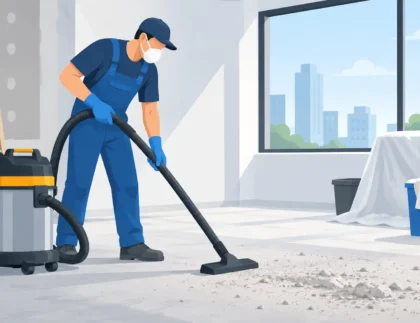
A proper move-in clean is especially useful after renovations, after a tenancy ends, or when a home has been empty for a long time. It also helps if you want carpets, ovens, windows or specialist areas cleaned to a high standard in one go. For busy London households, convenience matters. You want to unpack, not spend your first weekend scrubbing grease off extractor fans.
At The Ultimate Cleaners, that is exactly the kind of job we handle – thorough, practical cleaning that gets a home ready to live in without the usual hassle.
What matters most before you unpack
The goal is not perfection for its own sake. It is starting in a space that feels clean, safe and properly yours. Focus on hygiene, storage areas, floors and the hidden spots that affect how a property smells and feels. If something looks clean but does not feel clean, trust that instinct and deal with it before your belongings go in.
A good move starts with a clean slate. Once that is done, everything else feels easier.