A restaurant hygiene improvement example is most useful when it reflects the reality of a busy service: deliveries arriving at the back door, a packed lunch rush, grease building up around cooking equipment and staff changing over between shifts. Good hygiene is not achieved by one big clean before an inspection. It comes from clear routines that work when the restaurant is at its busiest.
For restaurant owners and managers, the goal is straightforward: keep food areas safe, customer spaces presentable and staff facilities clean without creating extra disruption for the team. The right plan protects your reputation as well as your premises.
A restaurant hygiene improvement example in practice
Imagine a busy London neighbourhood restaurant with an open kitchen, 70 covers and a steady flow of delivery drivers. The manager has noticed recurring issues: sticky floors after evening service, grease marks around the extraction canopy, overflowing bins at peak times and inconsistent cleaning of high-touch surfaces such as door handles, card machines and toilet fixtures.
The restaurant is not visibly dirty every day, but it is relying too heavily on staff finding time to clean between tasks. That is where standards start to slip. A practical improvement plan separates the work into three levels: cleaning during service, closing duties and scheduled professional deep cleaning.
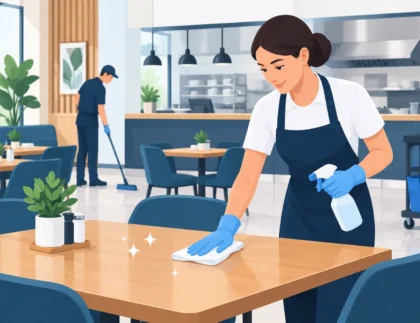
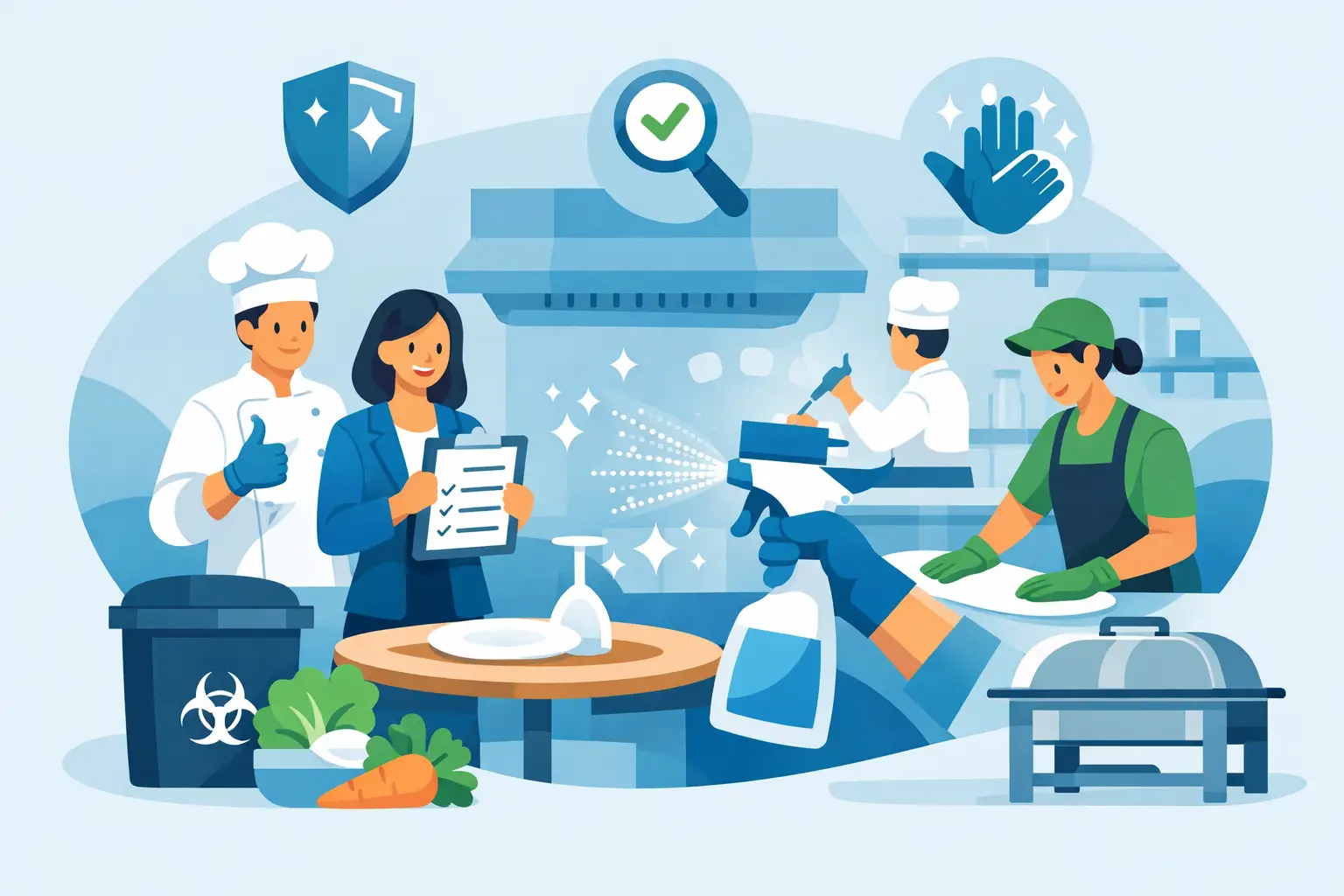
During service, staff wipe and sanitise food preparation surfaces between tasks, clear spills immediately and empty internal bins before they overflow. Front-of-house staff check toilets, tables, menus and touchpoints at set intervals rather than waiting for a complaint. These are small actions, but their consistency changes what customers see and what bacteria has a chance to spread.
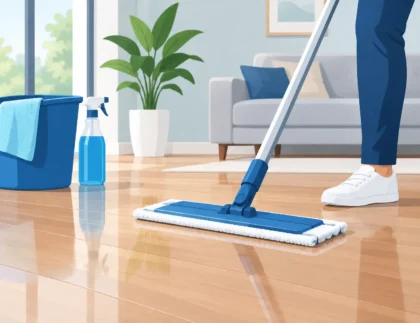
At closing, the team follows a signed cleaning schedule. Equipment is cleaned according to its use, floors are washed properly rather than simply swept, waste is removed, and all cloths and mop heads are replaced or laundered. The manager checks the list before the last person leaves. A checklist only works if someone is accountable for it.
The third level is the deep clean. This tackles the areas that daily routines cannot fully cover, including behind and beneath appliances, grease-heavy kitchen surfaces, wall tiles, extraction areas, drains, storage shelving and hard-to-reach edges. The result is a cleaner working environment, but also a more manageable daily clean because dirt is not allowed to build up week after week.
Start with the places guests and inspectors notice
Restaurant hygiene is often judged in seconds. A clean entrance, spotless toilets and clear tables reassure customers before their food arrives. Yet the areas that create the greatest hygiene risk are often less visible: fridge handles, under-counter surfaces, waste zones, floor-wall junctions and the space behind cooking equipment.
A useful improvement plan looks at both. Begin by walking through the premises at opening time, during a busy service and after closing. These three moments reveal different problems. At opening, you may spot missed closing tasks. During service, you will see where litter, spills and clutter develop. After closing, you can check whether the cleaning routine is realistic for the time and staffing available.
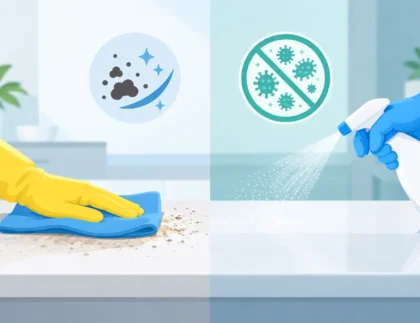
Pay particular attention to cross-contamination risks. Colour-coded cloths and mops help staff avoid using the same equipment in kitchens, dining areas and toilets. Cleaning products should be suitable for the surface and used at the correct dilution and contact time. More product is not necessarily better, and strong chemicals used incorrectly can damage surfaces or leave residues.
Make daily cleaning easy to follow
The best schedules are specific. “Clean kitchen” is vague and easy to tick off without doing much. “Degrease cooker surrounds, sanitise prep counters, wash floor beneath pass, empty and wipe bins” is clear enough for a new member of staff to follow.
Assign each job to a role rather than leaving it to “the team”. For example, a kitchen porter may manage floor care and waste zones, chefs clean their own stations and front-of-house staff check customer areas and toilets. Duties can change by shift, but ownership should never be unclear.
A daily schedule should cover food preparation surfaces, cooking equipment exteriors, sinks, floors, bins, toilets, tables, chairs, handles, light switches and payment terminals. It should also state how often each task is completed. Some jobs need attention after every use, while others may be checked every two hours or completed at the end of the day.
There is a trade-off here. An overly long list is likely to be ignored during a hectic Friday night. A short list that misses essential tasks leaves gaps. Keep the daily checklist focused on the non-negotiables, then support it with weekly and monthly jobs for more detailed work.
Build deep cleaning around your kitchen’s workload
A commercial kitchen produces grease, heat, food debris and moisture every day. Even a disciplined team cannot always clean underneath heavy appliances, behind refrigeration units or inside difficult-to-access areas without time, equipment and a planned approach.
How often you need a professional deep clean depends on the type of restaurant, the volume of trade and the menu. A high-volume fried-food operation will need more frequent attention than a small café serving cold lunches. Restaurants with open kitchens may also choose more frequent cleaning because visible standards directly affect customer confidence.
A deep-clean programme commonly includes degreasing kitchen walls and tiles, cleaning behind equipment, treating floors and grout, sanitising storage spaces, cleaning washroom fittings and addressing buildup around bins and drains. It should be planned around quieter hours or closed days where possible, so the work does not interrupt service.
For restaurants in high-footfall parts of London, a routine commercial cleaning contract can make the workload far more predictable. Rather than reacting when a problem becomes obvious, managers can schedule the jobs that protect standards before they become a disruption.
Train staff for consistency, not just compliance
Cleaning schedules fail when staff see them as paperwork rather than part of food safety and customer care. Brief training should explain why each task matters: a dirty cloth can transfer contamination, a greasy floor can cause a slip, and an unclean toilet can change a guest’s view of the entire restaurant.
Keep training practical. Show staff where supplies are stored, which products are used on which surfaces, how to prepare dilution correctly and when to replace cleaning tools. New starters should not have to guess. Refresher training is equally useful after a change in menu, equipment, layout or staffing.
Managers also need to lead by example. If a supervisor walks past a spill or signs off a checklist without checking, staff will quickly understand that cleaning is optional. A five-minute end-of-shift inspection is often enough to keep standards on track.
Use records to spot recurring problems
Cleaning records are not just for inspections. They help you identify patterns. If the same toilet issue appears every weekend, the checks may be too infrequent. If grease returns quickly around one appliance, the cleaning method or schedule may need adjusting. If staff repeatedly run out of cloths, the supply system is the problem, not the people.
Use simple records that can be completed properly: date, task, staff initials and manager check. Add notes for faults or areas needing follow-up. This creates a useful handover between shifts and helps restaurant managers act before a small issue turns into a hygiene complaint.
It is also worth separating cleaning from maintenance. A persistent odour, leaking fridge, damaged sealant or blocked drain cannot be solved by extra sanitiser. Flag these issues promptly and arrange the right repair. Clean premises depend on working equipment as much as hard-working staff.
Bring in specialist support when the routine needs backup
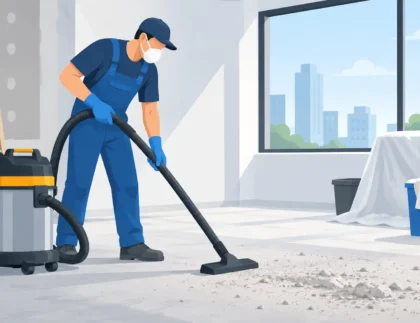
Daily cleaning is essential, but it does not replace specialist work. Restaurants often benefit from professional support before reopening after refurbishment, ahead of a major event, after a tenancy change or when kitchen buildup has become difficult to manage internally.
The Ultimate Cleaners provides commercial cleaning for restaurants across London, with flexible scheduling designed to reduce disruption to trading hours. Eco-conscious products can be part of the approach where suitable, while the priority remains a thorough clean that supports a safe, presentable workplace.
A cleaner restaurant is not about making every surface look perfect for one morning. It is about giving your staff a realistic system, giving guests confidence from the moment they walk in, and keeping the difficult jobs from becoming expensive problems later.