
A restaurant cleaning review should never be based on whether the dining room looks presentable at 6 pm. The real test is what happens before service, after closing and in the areas customers rarely see: beneath equipment, around waste storage, inside washrooms and across high-touch surfaces. A reliable cleaning standard protects your reputation, supports a safer workplace and helps your team focus on serving great food.
For restaurant owners and managers, cleaning is not a background task to squeeze in when the shift is quiet. It is part of the daily operation. Whether you run a busy café in Islington, a takeaway kitchen in Camden or a full-service restaurant in Central London, your premises need a plan that matches your footfall, menu and opening hours.
What a restaurant cleaning review should assess
A useful review looks beyond a single visit. It considers whether cleaning is consistent, properly scheduled and tailored to the site. A spotless front-of-house area means little if grease is building up behind the cook line or staff are working around overflowing bins at the rear entrance.
Start with the areas that affect guests most directly. Tables, chairs, menus, door handles, card terminals and washrooms should be cleaned and checked regularly throughout service. These spaces are highly visible, and customers notice sticky surfaces, smears on glass and unpleasant washroom smells quickly. They may not mention it to staff, but it can influence whether they return or leave a poor review.
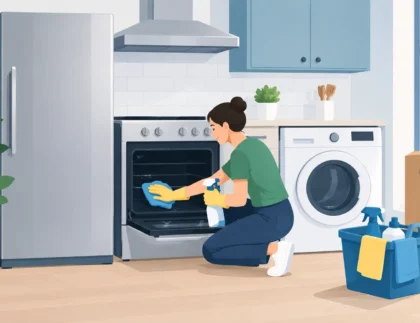
The kitchen needs a more detailed assessment. Floors, wall tiles, worktops, splashbacks and extraction surrounds all collect grease and food debris. A proper clean reaches the edges, corners and difficult spaces that routine wipe-downs can miss. The aim is not simply to make the kitchen look cleaner. It is to reduce the build-up that can create odours, slip risks, pest issues and avoidable pressure during an inspection.
Back-of-house areas deserve the same attention. Staff rooms, storage areas, delivery entrances and waste points can easily become neglected when the team is busy. Yet they affect staff morale, workflow and hygiene just as much as the spaces customers see.
The difference between routine and deep cleaning
Daily cleaning is essential, but it has limits. Your team should be able to keep workstations orderly, deal with spills, sanitise touchpoints and complete end-of-shift tasks. That does not always leave time, equipment or access to manage heavier grease, high-level dust, stubborn limescale or the areas underneath fixed appliances.
This is where a professional deep clean earns its place. It can be booked as a one-off reset before reopening, after refurbishment, ahead of a busy season or when standards have slipped. It can also support a recurring schedule alongside your internal routine. The right frequency depends on the kind of restaurant you operate. A high-volume fried-food kitchen will usually need more intensive degreasing than a small coffee shop, while a venue with late-night trade may need cleaning outside normal hours.
A good provider will not force every site into the same package. They should ask about the kitchen layout, trading times, access, flooring, washrooms, customer areas and any particular concerns. That conversation helps avoid paying for work you do not need while making sure crucial jobs are not left out.
Four signs a cleaning service is doing the job properly
When reviewing a restaurant cleaning team, look for evidence rather than relying on a quick glance after the first clean. Four practical signs matter most:
- The cleaner arrives as agreed, works around your service hours and communicates promptly if access or timings need to change.
- The scope is clear, covering specific areas and tasks rather than making vague promises of a general clean.
- Results hold up between visits, with floors, washrooms, bins and touchpoints staying under control during a normal trading week.
- The team responds professionally when you raise an issue, with a clear route to put it right rather than excuses or silence.
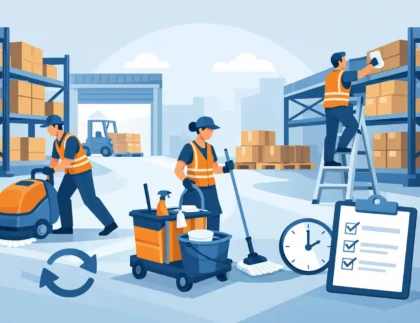
Consistency is often more valuable than an impressive first visit. Restaurants are fast-moving places, and a cleaning service needs to be dependable when deliveries run late, tables turn quickly or your closing time changes for an event.
Questions to ask before booking restaurant cleaning
Ask how the provider plans to work around food preparation and customer service. Cleaning should not disrupt the kitchen at its busiest point or leave wet floors where staff need to move quickly. Timing, signage, drying time and safe storage of products all matter.
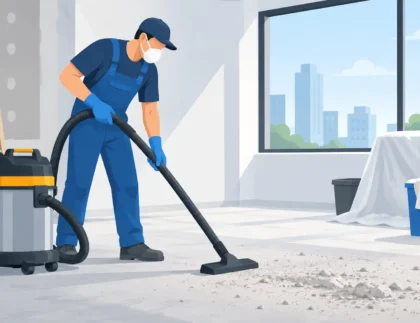
It is also sensible to ask what is included in the estimate. For example, does the service cover internal glass, washrooms, floor care, kitchen degreasing, bin areas or cleaning behind movable equipment? Specialist tasks such as carpet cleaning, window cleaning and post-construction cleaning may need to be booked separately. Clear expectations prevent awkward conversations later.
Eco-friendly products are another worthwhile point to discuss. They can be a practical choice for customer-facing spaces, especially when strong chemical smells would affect diners or staff. However, environmentally conscious cleaning should still be effective for the task at hand. A professional cleaner should select suitable products and methods for grease, food-contact surroundings and different floor finishes rather than taking a one-product-fits-all approach.
Finally, ask about quality checks and satisfaction support. Problems occasionally happen, particularly in large or high-footfall sites. What matters is whether the provider makes it straightforward to report the issue and arrange a resolution.
Why restaurant cleaning affects more than hygiene
Clean premises support the whole guest experience. A fresh entrance, clean windows and well-kept washrooms make people feel comfortable before they have even looked at the menu. In contrast, dirty flooring or a neglected toilet can make customers question standards in the kitchen, even if the food is excellent.
There is an operational benefit too. Clean, organised spaces are easier for staff to work in. Clear walkways and properly maintained floors can reduce avoidable slip hazards. Regular attention to grease-prone areas makes the end-of-shift routine more manageable and can stop a small problem becoming a major clean-up job.
For managers, outsourced cleaning also creates breathing room. You still need staff to follow daily hygiene procedures, but a dependable commercial cleaning team can take on the labour-intensive work that pulls people away from customers and service preparation. That balance is especially useful for independent restaurants where managers already wear several hats.
Choosing a London cleaning partner
The best fit is a company that understands commercial sites and can adapt to your operation. Price matters, but the cheapest quote is not always the best value if visits are missed, tasks are unclear or you have to chase basic communication. Look for a detailed estimate, flexible scheduling and a team comfortable working outside trading hours where required.
The Ultimate Cleaners provides restaurant and commercial cleaning across London, with one-off deep cleans and recurring arrangements available. For a restaurant, that flexibility can mean arranging a focused clean after building work, then moving to a schedule that supports the realities of everyday trade.
Before confirming a booking, walk through your premises with your priorities in mind. Identify what must be cleaned every day, what needs weekly attention and where periodic deep cleaning will make the biggest difference. Sharing that picture upfront gives your cleaning team the information they need to deliver the standard your staff and customers expect.
A clean restaurant should feel like the normal state of business, not a last-minute recovery before the next service. Request a clear estimate, agree the scope and schedule, and give your team one less essential job to carry at the end of a long shift.