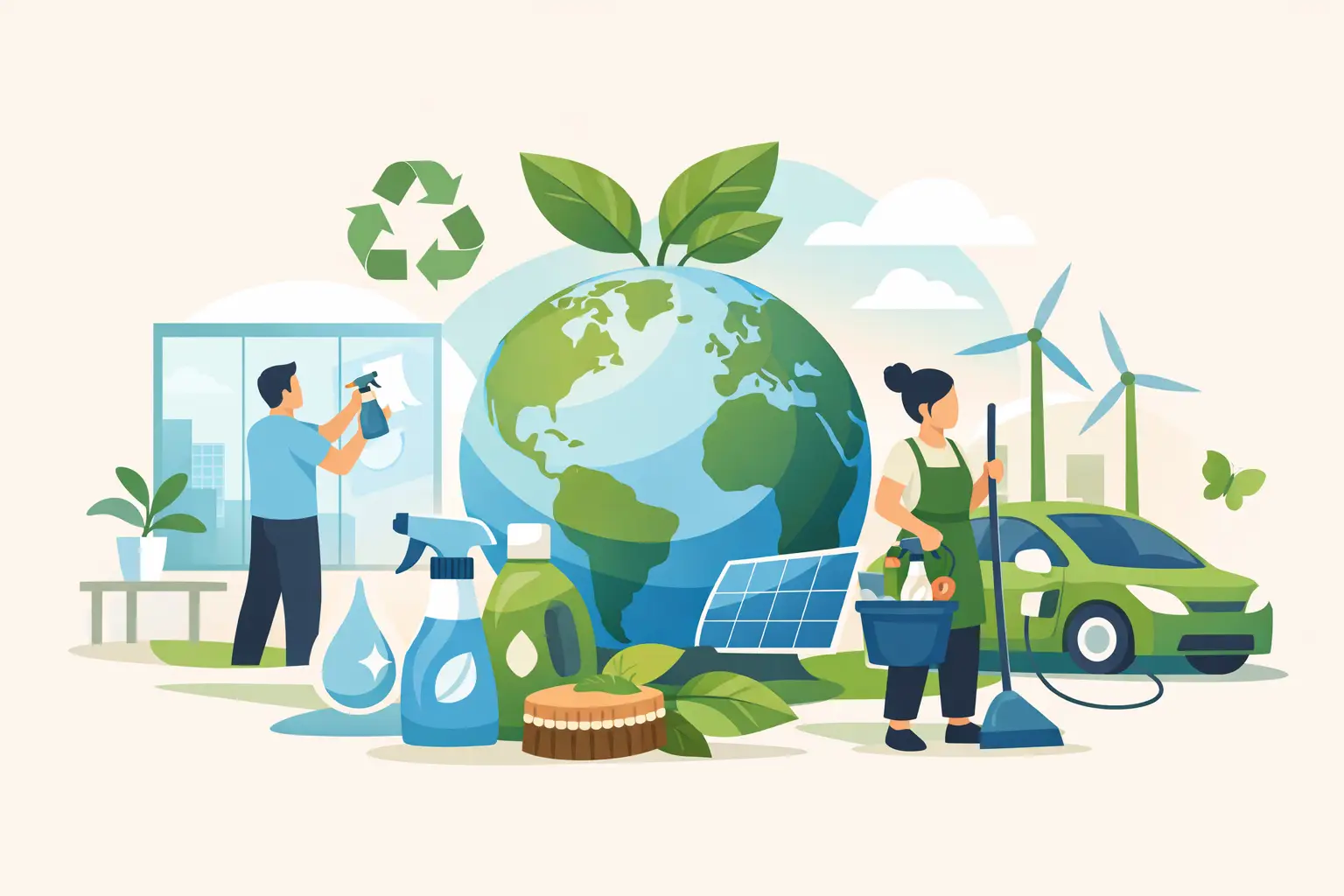
A greener cleaning plan is no longer just a nice extra for a reception area or staff kitchen. Sustainable cleaning trends for businesses are changing how London workplaces manage hygiene, reduce waste and make better day-to-day choices without compromising on a properly clean finish. For office managers, shop owners and facilities teams, the goal is simple: a site that looks cared for, feels safe and is easier to run.
The best changes are practical rather than performative. They reduce unnecessary product use, limit disposable materials and make routine cleaning more efficient. Here are the trends that are proving useful across offices, restaurants, warehouses, medical settings and other commercial premises.
Sustainable cleaning trends for businesses worth watching
Concentrated products and accurate dilution
Using more product does not automatically mean a better clean. One of the most useful shifts in commercial cleaning is towards concentrated solutions that are diluted correctly for the task at hand. This can reduce plastic packaging, cut storage requirements and prevent products being wasted through guesswork.
It also makes commercial sense. A cleaner using the right amount of product can work efficiently while still dealing with fingerprints on glass, spills on hard floors and everyday grime in washrooms. The trade-off is that dilution needs to be controlled. Poorly mixed solutions can leave residue, underperform on heavily soiled surfaces or create an unnecessary safety issue. Clear procedures and properly trained cleaners matter just as much as the product itself.
Reusable microfibre systems
Single-use wipes may feel convenient, but they quickly fill bins and create a steady stream of waste. Reusable, colour-coded microfibre cloths and mop heads are now a standard part of more sustainable cleaning programmes. When used and laundered correctly, they pick up dust and dirt effectively with less reliance on harsh chemicals.
Colour coding also helps prevent cross-contamination. For example, cloths used in washrooms should never be used on desks, kitchen worktops or reception counters. This is particularly valuable in high-footfall sites where hygiene standards cannot be allowed to slip.
Reusable systems do require a reliable laundering process and enough stock to rotate materials between visits. For a small office, that may be straightforward. For a busy restaurant, healthcare facility or large warehouse, it needs closer planning. The environmental benefit comes from reuse, not from keeping cloths in service past the point where they can be cleaned properly.
Lower-impact products with a clear purpose
Businesses are becoming more selective about the chemicals used on site. The focus is moving away from strong fragrances and one-product-for-everything cupboards towards products chosen for their actual cleaning job, surface type and occupancy level.
Eco-friendly products can be a sensible choice for routine cleaning in offices, shops and communal areas, especially where staff or visitors may be sensitive to heavy scents. They can support better indoor comfort and reduce the chemical load of everyday maintenance. But eco-friendly does not mean ineffective, and it does not mean every product is suitable for every situation.
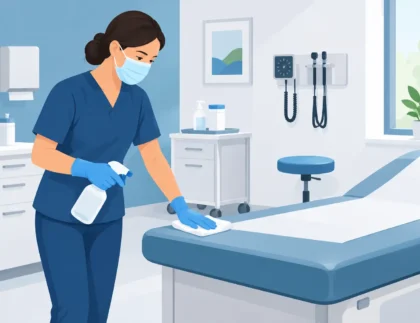
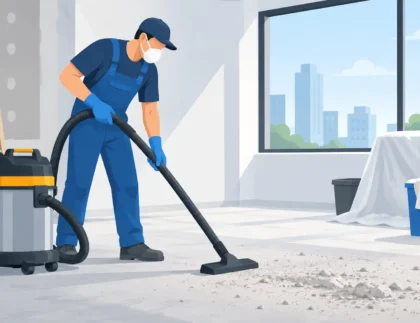
A commercial kitchen, clinical space or post-construction site may require specialist products or disinfection procedures. The right approach is to match the method to the risk. Routine desks and floors need a different plan from washrooms, food-preparation areas or spaces exposed to dust from building work.
Water-saving methods for hard floors and windows
Water use is coming under more scrutiny, especially in larger properties where floors, external glass and washrooms need regular attention. Modern equipment and controlled application methods can use less water than traditional bucket-heavy routines, while still delivering a clean result.
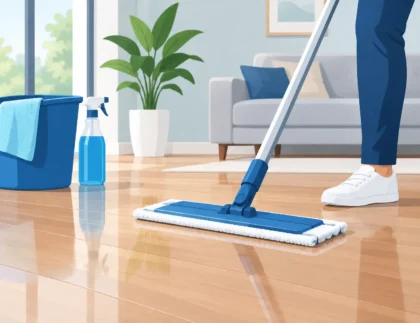
For hard floors, that may mean using damp microfibre mopping rather than repeatedly flooding a surface. For windows, purified-water systems can reduce the need for extra detergent and leave glass clear when used by trained professionals. The benefit is not simply lower water use. Less excess water can also mean faster drying times, reduced slip risk and fewer disruptions during trading hours.
It depends on the surface and the level of dirt. A warehouse entrance after wet weather may need more intensive treatment than a lightly used meeting room. Sustainable cleaning should never mean cutting corners where safety or cleanliness is affected.
Smarter scheduling instead of automatic over-cleaning
Many businesses are reviewing cleaning frequencies rather than applying the same schedule to every room. A boardroom used twice a week does not need the same attention as a washroom, shared kitchen or customer-facing entrance. Cleaning based on real use can save time, materials and unnecessary visits to low-traffic areas.
This is not a case for cleaning less across the board. It is a case for cleaning where it matters most. Busy touchpoints, bins, washrooms and food areas still need regular, dependable attention. Meanwhile, periodic deep cleans can tackle the jobs that routine visits do not always reach, such as carpet care, internal windows, high-level dusting and neglected corners.
A flexible plan is especially helpful for London businesses with changing occupancy patterns. Hybrid office attendance, seasonal retail peaks and late-opening hospitality venues all affect when a clean is needed and what it should cover.
Waste segregation that cleaners can actually follow
Recycling bins only work when people know what belongs in them and when the materials are kept separate. Cleaning teams play a key part here, because they handle the final stages of workplace waste every day.
Clear labels, sensible bin placement and separate containers for general waste, mixed recycling and food waste can make a noticeable difference. The system has to suit the site. A compact office may only need a simple arrangement, while a restaurant or large commercial building may need a more detailed plan for cardboard, glass, food waste and other materials.
The most effective setups make the correct choice easy for staff and visitors. If bins are confusing, poorly placed or frequently overflowing, even the best recycling policy will fail in practice. Regular communication between the cleaning provider and site manager helps spot these issues early.
Equipment that lasts longer and works harder
Sustainable cleaning is not only about bottles and cloths. Durable vacuums, scrubber dryers and other well-maintained equipment can improve results while reducing the need for frequent replacements. Machines with efficient filtration can also help control fine dust, which is useful in offices, showrooms and post-construction environments.
Buying the cheapest equipment can cost more over time if it breaks down regularly, uses excessive energy or produces poor results. On the other hand, expensive equipment is not always necessary for a small site. The sensible choice depends on floor area, footfall, operating hours and the surfaces being cleaned.
How to turn trends into a workable cleaning plan
Start with a walk-through of the property. Look at the highest-traffic zones, the surfaces that need specialist care, current product use, bin locations and the times when cleaning can happen without getting in the way. This creates a cleaner brief that is based on the property rather than a generic checklist.
Next, set priorities that can be measured. That might be reducing disposable wipes, improving recycling accuracy, switching routine products, cutting unnecessary stock or making sure washroom consumables are used more carefully. Small, trackable changes are easier to maintain than a long list of promises nobody owns.
It also helps to involve staff. A cleaning team can maintain a system, but they cannot make it work alone if employees leave food waste in desk bins, use the wrong recycling container or ignore spillages. Simple signage and clear expectations go a long way.
For businesses that need regular office cleaning, specialist site support or a one-off deep clean, the practical question is whether your provider can adapt the service to your premises. The Ultimate Cleaners works with London businesses to build cleaning around the site, its hours and the jobs that matter most, using eco-conscious methods where they are appropriate.
A more sustainable approach should make cleaning easier to manage, not add another admin task to your week. Choose changes that improve hygiene, reduce avoidable waste and fit the way your workplace actually operates. That is how a greener clean becomes a reliable part of running a better business.