
A blocked shower drain, a mouldy window reveal or a tired-looking communal hallway can change a tenant’s view of a rental very quickly. Small issues are easier and cheaper to deal with when they are caught early. This guide to landlord property upkeep sets out a practical routine for keeping your property clean, safe, presentable and easier to let.
For London landlords, upkeep is not just about reacting when something breaks. It is about protecting the condition of the property between tenancies, giving good tenants confidence that concerns will be handled, and avoiding the last-minute scramble before a viewing or check-out. A well-maintained home photographs better, attracts stronger applicants and is less likely to produce avoidable disputes.
Start with a clear upkeep plan
The best maintenance plan is simple enough to use. Split tasks into regular checks, seasonal work and tenancy-change jobs. Keep a record of inspections, reported issues, contractor visits and work completed. This gives you a clearer picture of recurring problems and helps show that you have acted responsibly if a disagreement arises.
Your tenancy agreement should also make responsibilities clear. Tenants can reasonably be expected to keep the property clean, ventilate bathrooms and kitchens, report leaks promptly and avoid damage. Landlords remain responsible for the structure, installations and repairs that make the home safe and habitable. Clear communication prevents many problems from becoming arguments.
It also helps to set realistic response times. A loss of heating, significant water leak or electrical concern needs urgent action. A scuffed wall or loose cupboard handle may not be an emergency, but should still be logged and dealt with before it worsens.
The landlord property upkeep checklist that matters
A rental does not need constant disruption or weekly inspections. It does need regular attention in the areas where dirt, moisture and wear build up fastest.
Kitchens and bathrooms
These are the rooms most likely to trigger complaints, cleaning disputes and damage. During inspections, look beneath sinks, around toilet bases and behind appliances for leaks or water staining. Test extractor fans, taps, seals and drains. Slow drainage can be an early sign of a blockage, while cracked silicone around a bath or shower can allow water into walls or flooring.
Cleaning standards matter here too. Grease on kitchen surfaces, limescale on taps and soap residue in showers make a property feel neglected even where fittings are working properly. Between tenancies, a proper deep clean gives you a reliable baseline and makes condition reports far easier to support.
Ventilation, damp and mould
Condensation is common in London rentals, particularly in older homes and compact flats. It is not always caused by one person or one fault. Poor ventilation, cold external walls, drying clothes indoors and failed extractor fans can all contribute.
Check bathroom and kitchen fans, window seals, trickle vents and visible signs of moisture around external walls. If mould appears, do not simply paint over it. Establish whether there is a leak, inadequate ventilation, damaged sealant or a heating issue. Then deal with the cause as well as cleaning the affected area.
A short, practical conversation with tenants can help. Explain how to use extractor fans, encourage prompt reporting of leaks and make sure they know who to contact if damp appears. Good advice is useful, but it should never become an excuse to ignore a potential property defect.
Floors, carpets and high-contact surfaces
Floors take more punishment than almost any other part of a rental. Entrance areas collect grit and moisture, while carpets hold dust, odours and allergens. Schedule professional carpet cleaning when the condition of the carpet warrants it, especially after a long tenancy, pets or heavy footfall. It can refresh a room far more effectively than a quick vacuum.
Pay attention to skirting boards, handles, switches, radiators and internal doors as well. These details are highly visible during viewings and inventories. A clean, fresh property signals that the landlord takes standards seriously.
Outdoor areas and communal spaces
Where your rental includes a garden, path, bin area, balcony or shared corridor, decide clearly who is responsible for what. Overgrown paths, overflowing bins and dirty communal entrances can create complaints even if the flat itself is in good order.
For houses, check gutters, drains, fencing and exterior lighting seasonally. For flats, report shared-building concerns to the managing agent promptly and keep a written record. You may not control the repair, but you can show tenants that you have followed it up.
Use inspections to prevent surprises
Routine inspections are one of the most useful parts of a guide to landlord property upkeep, provided they are handled properly. Give appropriate notice, respect the tenant’s home and keep the visit focused. The aim is to spot maintenance concerns, not to catch people out.
A sensible inspection usually covers visible damp, smoke and carbon monoxide alarms, signs of leaks, ventilation, appliances supplied with the property and general condition. Take dated notes and photographs where appropriate, especially if repairs are needed. If you notice a housekeeping issue, address it calmly and specifically. Vague criticism rarely achieves anything.
How often you inspect depends on the tenancy and property. A new tenancy may justify an earlier check to make sure tenants know how systems work. A long-standing tenant who reports issues responsibly may require less frequent attention. Consistency is more valuable than over-inspecting.
Plan for the changeover, not just the check-out
Void periods cost money, but rushing a turnaround often costs more. When a tenant gives notice, book key services early and allow enough time to assess the property after it is empty. A check-out report can identify cleaning, repairs and damage, but it should be compared fairly with the original inventory and normal wear and tear.
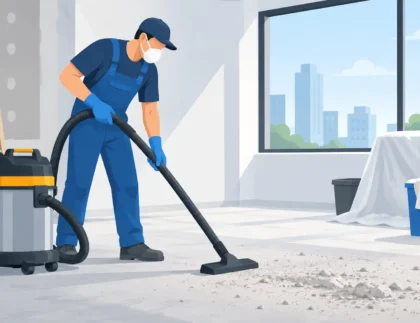
A thorough move-out clean is often the most visible part of a successful changeover. Kitchens, bathrooms, ovens, windows, internal cupboards and flooring all need attention. If builders have carried out repairs or improvements, arrange a post-construction clean before photographs or viewings. Fine dust settles long after the obvious work has finished and can make an otherwise improved property look unfinished.
This is also the right time to test appliances, replace failing sealant, touch up paint, clear drains and deal with minor repairs. Grouping work together reduces repeat visits and gives the next tenant a better first impression.
Keep cleaning separate from repairs, but coordinate both
Cleaning cannot fix a broken extractor fan, and a repair will not remove the limescale, grease and dust that have built up around it. Landlords get better results when cleaning and maintenance are planned together.
For example, if a bathroom fan is being replaced, arrange the clean after the work is complete. If a leak has damaged a carpet, resolve the source of the water before booking carpet cleaning. If you are preparing a property for reletting, schedule trades first, followed by a detailed clean, then photography and viewings.
Eco-friendly products can be a sensible choice for routine cleaning, particularly in occupied homes where tenants may be sensitive to strong smells. However, the product must suit the surface and the problem. Heavy limescale, mould staining or post-build dust may require specialist methods rather than a one-size-fits-all approach.
Budget for prevention
A maintenance budget should include more than emergency repairs. Set aside funds for periodic deep cleaning, carpet care, exterior checks, small repairs and replacement of items that are nearing the end of their useful life. This makes costs more predictable and reduces the temptation to postpone necessary work.
The cheapest option is not always the best value. A rushed clean can lead to complaints at check-in. Delaying a minor leak can mean damaged flooring and a larger bill. On the other hand, replacing every item at the first mark is unnecessary. Good upkeep means making proportionate decisions based on safety, hygiene, tenant experience and the long-term condition of the property.
For landlords across London, a professional cleaning team can make changeovers and periodic deep cleans much easier to manage. The Ultimate Cleaners supports landlords with flexible cleaning for rental homes, from end-of-tenancy work and carpet cleaning to windows and post-construction cleans.
A rental property will always need attention. The goal is not to make upkeep disappear, but to turn it into a planned routine that keeps tenants comfortable, protects your investment and ensures the next set of keys is handed over with confidence.