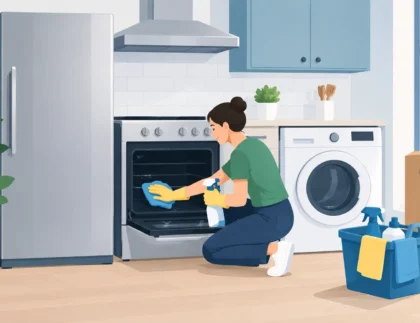

The laundry chair is full, the kitchen worktop has become a post room, and the bathroom clean keeps slipping to “next weekend”. If that sounds familiar, the best cleaning plan for busy professionals is not an ambitious colour-coded timetable. It is a realistic routine that protects your time, keeps the essentials hygienic and gives you a reliable fallback when work gets hectic.
A clean home should make coming back from a long day feel easier, not add another job to your mental list. The trick is to separate quick maintenance from the deeper cleaning that needs proper time, energy and equipment.
What a cleaning plan needs to do
Busy London life rarely follows a neat weekly pattern. Late meetings, commuting, gym classes, childcare, travel and social plans all compete for the same evenings and weekends. A plan only works if it can cope with a disrupted week without leaving your home feeling out of control.
Start by setting a practical standard. Your home does not need to look ready for a property viewing every day. It does need to be comfortable, safe and easy to reset. Focus first on the areas that affect everyday life most: the kitchen, bathroom, floors, rubbish and laundry.
This approach also prevents the common all-or-nothing trap. Missing one cleaning task should not turn into a month of avoiding the whole flat. A few small actions through the week will reduce the work waiting for you at the weekend.
The best cleaning plan for busy professionals
Think in three levels: a short daily reset, one focused weekly session and scheduled deeper support. Each level has a different purpose, so you are not trying to do every task at once.
Keep the daily reset to 10 minutes
A daily reset is not a full clean. It is a quick close-down routine that stops mess becoming harder to deal with. Put the dishwasher on or wash the essentials, wipe kitchen spills while they are fresh, clear the worktop, and take out food waste when needed. In the bathroom, a quick wipe of the basin after use and hanging towels properly can make a surprising difference.
Choose a time that already happens in your day. For some people, it is immediately after dinner; for others, it is the last ten minutes before bed. Avoid leaving it to “when there is time”, because there usually will not be.
If you share a home, agree on a simple division of responsibility. One person can handle bins and dishes while the other manages laundry and surfaces. The goal is not perfect fairness every day. It is making sure one person does not quietly become responsible for everything.
Give your weekly clean a fixed slot
Set aside 45 to 90 minutes once a week for the jobs that make the home feel properly refreshed. A Sunday morning may suit you, but a weekday evening can be smarter if weekends are valuable recovery time. Put it in your calendar as you would any other appointment.
Work from cleaner areas to dirtier ones and from high surfaces to floors. Dusting first means you only need to vacuum once at the end. In most homes, the weekly priority is cleaning the kitchen and bathroom, vacuuming or mopping floors, changing bed linen, wiping touchpoints such as handles and switches, and dealing with laundry before it piles up.
Do not spend the whole session reorganising cupboards or attacking the oven unless they are genuinely urgent. Those are deep-cleaning jobs. Giving them a place in the weekly routine is how a manageable plan becomes exhausting.
Rotate the jobs that do not need doing every week
Some tasks matter, but not weekly. Build them into a rotation so they are handled before they become a major project. One week, clean the microwave and wipe cupboard fronts. The next, tackle the shower screen, mirrors and skirting boards. On another week, vacuum the sofa, clean inside the fridge or remove limescale from taps.
A monthly rotation is enough for many of these jobs, though the right frequency depends on your household. A home with pets, children, hard-water build-up or frequent cooking will need more attention in certain areas. If you work from home, your desk area and floors may also need a more regular clean than they would in an empty flat.
Make cleaning easier before you start
The quickest way to reduce cleaning time is to reduce the decisions around it. Keep a small set of dependable products where you use them: bathroom cleaner and cloths in the bathroom, surface spray near the kitchen, and a lightweight vacuum that is easy to reach. If getting the equipment out is a chore, the job will be delayed.
Choose products that suit your surfaces and follow their instructions, particularly in kitchens and bathrooms. Eco-friendly products can be a sensible option for households that want to reduce harsh chemical use, but they still need enough contact time to work. Spraying and immediately wiping is often less effective than leaving a product for the recommended few minutes.
Clutter is another time drain. You do not need to become a minimalist, but give everyday items a home. A tray for keys and post, a laundry basket in the right place, and a small box for loose cables can stop surfaces becoming a collection point. Clear surfaces are faster to clean and make a room look calmer straight away.
Know when professional cleaning is the sensible choice
There is a difference between keeping on top of everyday mess and doing a thorough clean. If the only way to catch up is to lose half your Saturday every week, regular professional help may be better value than continually sacrificing your free time.
A recurring cleaner is especially useful for professionals with unpredictable schedules, households with young children or pets, and tenants who want to keep a rented property in good condition. It creates a dependable baseline: bathrooms, kitchens, floors and dusting are handled regularly, while you take care of the small daily reset.
One-off cleaning has its place too. A spring clean can reset a home that has been neglected during a busy period. Move-in or move-out cleaning helps when a tenancy change is already demanding your attention. Carpet, window and post-construction cleaning are often best left to trained cleaners with the right methods and equipment.
For London households, flexibility matters as much as quality. Look for a cleaning provider that can work around your availability, explain what is included and use products you are comfortable having in your home. A satisfaction guarantee and straightforward booking process provide reassurance when you are trusting someone with your space.
At The Ultimate Cleaners, we love the job you hate. Whether you need regular house cleaning or a one-off deep clean, the aim is simple: return home to a cleaner, more comfortable space without giving up the time you need for work, family or rest.
A realistic plan for a demanding week
When a week is unusually busy, lower the standard without abandoning the routine. Keep the kitchen hygienic, remove rubbish, deal with visible spills, run a quick vacuum through high-traffic areas and make sure you have clean clothes and bedding. Everything else can wait a few days.
This is where many plans fail: they treat a difficult week as proof that the routine does not work. In reality, a good plan has a minimum version. It helps you maintain a liveable home when your capacity is low, then catch up through your weekly slot or professional support when life settles down.
Your cleaning plan should earn its place by making life lighter. Start with ten minutes a day, protect one focused weekly session, and outsource the jobs that keep getting pushed back. A home that is clean enough, consistently, is far more useful than a perfect home that costs you every spare hour.