
A clean kitchen can look presentable in ten minutes. A proper deep cleaning review asks a tougher question: what about the grease behind the hob, the limescale around the taps, the dust under the sofa and the marks left inside cupboards? That is where a routine tidy-up and a genuine deep clean part company.
For busy London households, tenants, landlords and workplace managers, the value of deep cleaning is not just a shinier room. It is the relief of knowing the neglected jobs have been handled properly, without giving up an entire weekend to scrub, shift furniture and chase stubborn grime.
What a deep cleaning review should assess
A useful review of any deep cleaning service should focus on results, scope and reliability rather than vague promises. “Cleaned well” is encouraging, but it does not tell you whether the team tackled the areas that matter in a lived-in home, rental property or busy workplace.
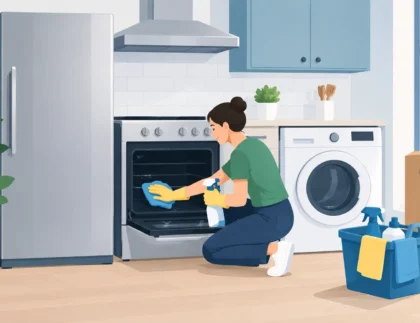
Start with the agreed checklist. A deep clean should cover far more than visible surfaces. In a kitchen, that commonly means degreasing the hob and splashback, cleaning the exterior and interior of accessible cupboards, wiping appliances, sanitising worktops, and addressing crumbs and grime in corners. In bathrooms, look for attention around taps, tiles, shower screens, toilets, plugholes and skirting boards, where soap residue and limescale tend to build up.
The same principle applies elsewhere. Floors should be vacuumed and mopped thoroughly, including edges where practical. Doors, handles, switches, skirting boards, window sills and reachable high-level surfaces should not be forgotten simply because they are less obvious at first glance. A good service leaves the property feeling properly reset, not just quickly refreshed.
That said, a fair deep cleaning review also recognises limits. Permanent staining, damaged grout, etched glass, mould caused by ongoing damp and heavy grease baked onto old appliances may need specialist treatment or cannot be fully reversed. Professional cleaners should explain this clearly before work begins rather than overpromise a result no product can deliver.
The difference between a deep clean and regular cleaning
Regular cleaning is about keeping on top of daily life. It may include vacuuming, mopping, dusting, wiping kitchen surfaces and cleaning bathrooms. It is ideal for maintaining a healthy, comfortable property once a suitable standard has been reached.
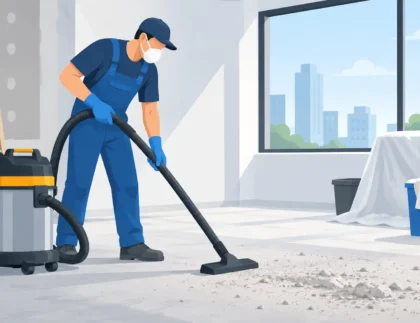
Deep cleaning is a more intensive, one-off service. It is suited to homes that have slipped behind during a demanding period, properties being prepared for new occupants, post-renovation spaces and commercial premises that need a more thorough reset. It takes longer because the work is more detailed and often involves areas that are not part of a weekly clean.
This distinction matters when reading a deep cleaning review. A customer expecting an end-of-tenancy standard, an oven clean and carpet treatment within a short standard-cleaning appointment is likely to be disappointed. The best booking experience starts with an honest conversation about the property, its condition and the jobs required.
What good results look like room by room
The most convincing sign of quality is consistency. A sparkling sink is not enough if the surrounding taps are streaked and the cupboard fronts are still sticky. When you inspect a completed clean, take a slow walk through the property in daylight where possible.
Kitchen and bathroom details
These rooms often decide whether a deep clean feels worth it. In the kitchen, surfaces should feel grease-free rather than merely smell perfumed. Handles, switches and cupboard fronts should be wiped, while accessible gaps and edges should be free of food debris. In the bathroom, look for clear shower glass, fresh-smelling drains, clean fixtures and reduced limescale where the condition of the surface allows it.
A word of caution: heavy limescale can leave lasting marks on taps, screens and tiles. A cleaner can remove build-up, but they cannot always restore a damaged surface to its original finish. Honest expectations are part of professional service.
Living areas and bedrooms
In living spaces, the result should be visible in the details: dust-free skirting boards, cleaner corners, wiped door frames and properly vacuumed floors. Soft furnishings may need separate upholstery or carpet cleaning if they hold odours, pet hair or embedded dirt. A deep clean can improve the overall environment, but fabric treatment is usually a separate service with its own drying time and suitability checks.
Bedrooms benefit from work around the bed, furniture and window areas, but access matters. If a heavy wardrobe cannot safely be moved, the team should clean around it and explain what was possible. Clear communication beats a rushed attempt that risks damage.
The service experience matters too
Cleaning quality is essential, but it is only one part of the review. A dependable company should be clear about arrival windows, estimated duration, access arrangements and any additional work that may affect the price. This is especially important for landlords coordinating handovers, office managers working around staff, and tenants facing a move-out deadline.
Responsiveness counts when plans change. London properties are not always straightforward: parking can be limited, keys may need collecting, lifts may be busy and building management may have rules about working hours. A professional cleaning team should ask the right questions in advance, arrive prepared and keep you informed if anything affects the schedule.
Eco-friendly products are another worthwhile consideration, particularly in homes with children, pets or sensitivities. Environmentally conscious cleaning does not mean using weak products or skipping difficult jobs. It means choosing suitable products, using them correctly and avoiding unnecessary waste where possible.
Questions to ask before booking a deep clean
Before accepting a quote, ask what is included for your specific property. Does the service cover inside cupboards? Are internal windows included? Is the oven part of the clean or an extra? Will carpet, upholstery, exterior windows or post-construction dust need specialist treatment? These details prevent assumptions on the day.
It is also sensible to ask how the team handles areas in poor condition. If there is mould, extensive limescale, builders’ residue or a pest issue, standard deep cleaning may not be the whole answer. You may need a specialist service, repairs or treatment from another qualified provider before cleaning can achieve the best outcome.
Finally, confirm the satisfaction process. If an agreed area has been missed, you should know who to contact and how concerns will be put right. A satisfaction guarantee is most useful when it is backed by a clear, responsive process rather than treated as a marketing line.
When professional deep cleaning is worth it
A professional deep clean is most valuable when time, standards and peace of mind all matter. It can make moving home less stressful, help landlords prepare a property between tenancies, bring a neglected flat back under control or give an office a clean starting point before regular visits begin.
It may be less necessary if your property is already maintained to a high standard and only needs routine cleaning. In that case, regular visits are often better value. But if dirt has built up in hard-to-reach places, you are preparing for an inspection, or the task keeps slipping down the to-do list, a detailed clean can save considerable effort.
The Ultimate Cleaners team provides deep cleaning across London with clear scopes, eco-conscious products and flexible scheduling. Request a free estimate with an honest description of the property and the areas causing concern. The right clean should leave you with more than polished surfaces – it should give you back time, confidence and a space that feels ready for what comes next.