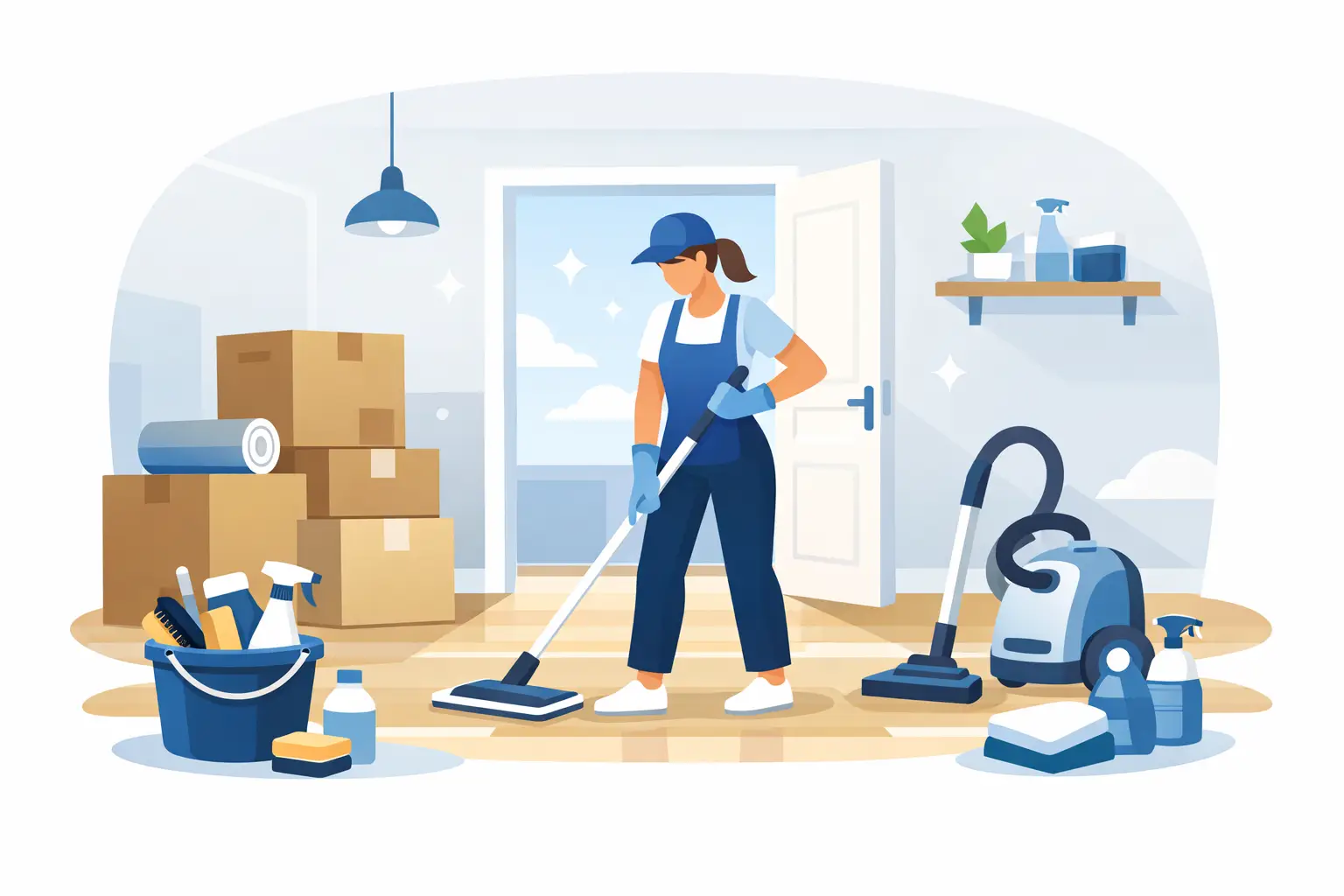
Keys are due back at 10am, the van is booked, and suddenly every skirting board in the property seems to matter. That is exactly why a proper guide to move out property cleaning helps. When you are leaving a flat, house or rental property, the job is not just about making it look tidy. It is about leaving it hygienic, presentable, and ready for inspection without creating last-minute stress.
Move-out cleaning sits somewhere between a deep clean and a handover standard. That matters because expectations are often higher than people think. A quick vacuum, a wiped kitchen worktop and a bin run will not usually be enough if a landlord, letting agent or incoming occupier is checking details. Marks on switches, grease on the extractor, soap residue in the shower and dust on top of cupboards are the things that trip people up.
What move-out cleaning really means
A good guide to move out property cleaning starts with one simple point – you are cleaning for inspection, not for everyday living. That changes the standard. The aim is to leave the property looking as close as possible to the condition it was in when you took it on, allowing for fair wear and tear.
For tenants, that often means protecting the deposit and avoiding disputes. For landlords, it means getting the place ready for viewings or new tenants quickly. For homeowners selling up, it is about making the property feel cared for right up to the final handover. In each case, the cleaning needs to be thorough, not rushed.
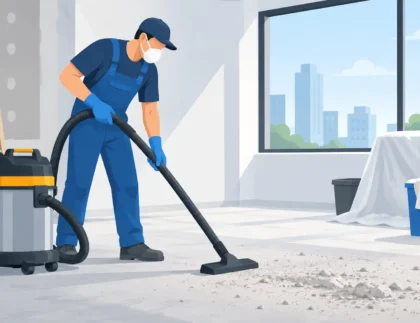
There is also a practical difference between a lived-in clean and an empty-property clean. Once furniture is out, there is nowhere for dust and grime to hide. Scuffed corners, crumbs behind appliances and limescale around taps become much more obvious. Empty rooms are less forgiving, which is why many people underestimate how long the final clean will take.
Start with timing, not products
The best move-out cleans are organised in the right order. If you clean too early, the removal process can undo your work in an hour. If you leave everything until the final evening, you are likely to miss details through fatigue.
The smartest approach is to clean in stages. Start by decluttering and removing unwanted items well before moving day. Once cupboards, drawers and storage areas are empty, wipe them down as you go. That spreads the workload and stops the final clean becoming overwhelming.
Then do the main clean once the property is mostly or fully empty. This is when you can properly reach behind furniture, check walls, clean skirting boards and tackle floors without obstacles. Leave a small finishing pass for the very end – usually the entrance, any final bathroom use, and marks made during the move.
If you are working to a tenancy deadline, build in more time than you think you need. Kitchens and bathrooms always take longer. So do properties with pets, hard water staining or neglected carpets.
The rooms that matter most
Every room counts, but not every room causes the same problems. Kitchens, bathrooms and flooring usually get the closest attention.
Kitchen
The kitchen is where standards rise fastest. Landlords and agents tend to notice grease, crumbs, odours and appliance build-up straight away. A move-out clean here should cover cupboard fronts, handles, splashbacks, worktops, sinks, taps and tiles, but the real difference is inside the details.
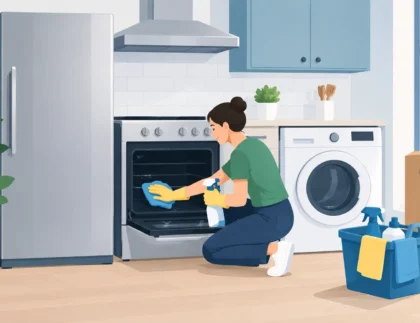
Cupboards and drawers should be emptied and wiped inside. The oven, hob and extractor need proper degreasing, not a surface once-over. Fridges and freezers should be defrosted in good time, cleaned inside and left dry. If there is a washing machine or dishwasher, check the seals and detergent drawers. These are small areas, but they collect grime quickly and make the whole room feel poorly maintained when missed.
Bathroom
Bathrooms are less about clutter and more about residue. Limescale, soap scum, hair and water marks build up slowly, which is why people stop noticing them. On move-out day, they stand out.
Focus on descaling taps, shower screens, tiles, toilet bases and any chrome fittings. Clean around hinges, behind the loo, and around the edges of the bath where grime can collect. Mirrors should be streak-free, and drains should be checked rather than ignored. A bathroom that smells fresh and looks dry tends to create a strong impression of cleanliness.
Living rooms and bedrooms
These spaces are simpler, but only if they are approached properly. Dust all surfaces, including tops of doors, skirting boards, radiators, sockets and light switches. Built-in wardrobes and shelves should be cleaned inside as well as out.
If there are marks on walls, it depends on the surface. Some light scuffs can be removed carefully, but aggressive scrubbing can damage paintwork. That is one of those moments where doing more is not always better. If a mark is likely to worsen with rubbing, it may be wiser to leave it and avoid creating a patch that looks worse than the original issue.
Floors and carpets
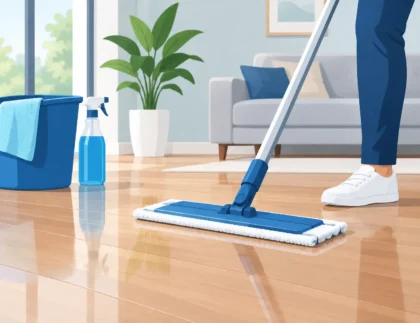
Floors tend to reveal the true condition of a property. Hard flooring should be vacuumed first and then cleaned with the right product for the material. Too much water on wood or laminate can cause damage, so restraint matters.
Carpets are more of an it-depends decision. If they only need a careful vacuum, that may be enough. If there are stains, pet odours or tenancy terms requiring a deeper clean, professional carpet cleaning is often the safer option. It can make a visible difference, but only when the carpet condition justifies it.
Don’t forget the easily missed areas
Most failed handover cleans do not fail because the obvious areas were ignored. They fail because the small ones were.
Light fittings, switches, sockets, door handles, bannisters, window sills, internal glass, extractor fans and the tops of cupboards all collect dust. So do skirting boards and the edges around door frames. If the property has outdoor space, even a basic tidy-up matters. Leaves, rubbish and overflowing bins can leave a poor final impression, even if the inside is spotless.
Windows are another judgement call. Internal glass should almost always be cleaned. External window cleaning depends on access, safety and the overall condition of the property. Ground-floor panes may be manageable. Upper-storey windows are usually better left to professionals.
DIY or professional cleaning?
This is where honesty helps. If the property is small, well maintained and you have enough time, a DIY move-out clean may be perfectly reasonable. If the place is large, heavily used, or the deadline is tight, professional help can save both time and hassle.
The trade-off is cost versus certainty. Doing it yourself may save money, but it puts the pressure on you to buy products, organise the work and hit the right standard. Professional cleaning costs more upfront, but it often makes sense when deposit protection, landlord expectations or back-to-back occupancy are involved.
That is especially true in London, where tight schedules are common and many people are juggling removals, work and key handovers on the same day. A reliable cleaning team can take one major task off the list and get the property to a handover-ready standard without the scramble.
What to have ready before the clean
A smooth move-out clean starts before the first spray bottle comes out. Utilities should still be on, especially water and electricity. Rubbish should be removed, personal belongings cleared, and any maintenance issues separated from cleaning issues.
That distinction matters. Cleaning cannot fix mould caused by a leak, damaged sealant, broken blinds or heavily worn flooring. If you are a tenant, it is worth understanding the difference between dirt and damage before inspection day. If you are a landlord or property manager, making that distinction early helps avoid delays between tenancies.
If you used an inventory at check-in, compare against it while cleaning. It gives you a more realistic picture of what will be looked at and where attention is most needed.
A practical guide to move out property cleaning standards
The right standard is thorough, but it does not mean trying to make an older property look brand new. That is not realistic, and it is not usually required. What matters is cleanliness, hygiene and presentation.
Think of it this way – the property should feel ready for the next person to walk in without needing to clean up after you. That means no leftover food, no dust build-up, no obvious grime, no bathroom residue and no hidden mess inside cupboards or appliances. It also means a sensible finish. Overwet floors, strong chemical smells or rushed streaks on glass can make a place feel less clean, not more.
For many people, the stress of moving comes from trying to do three jobs at once – packing, coordinating the move and restoring the property. That is where having a plan matters more than having fancy products. Clean in stages, focus on the rooms that get judged hardest, and be realistic about when expert help is worth it.
If you are moving out of a property in London and want the final clean handled properly, The Ultimate Cleaners are here to make the handover easier. One less job, less stress, and a property that feels ready to close the door on properly.
A good move-out clean does more than satisfy a checklist. It lets you leave well, without the feeling that something was missed at the last minute.