The boxes can wait for an hour. If you have just picked up the keys, this is the best moment to clean properly – before the sofa blocks the skirting boards and the kettle, pans and bedding are spread everywhere. A solid move in cleaning checklist helps you start fresh, spot issues early and avoid living around someone else’s dust, grease and grime.
For homeowners, tenants and landlords, the job is rarely about a quick wipe-down. It is about getting the property ready to live in comfortably from day one. That means tackling hidden areas, sanitising high-touch surfaces and dealing with the spaces that are much harder to clean once the home is fully set up.
Why a move in cleaning checklist matters
A new place can look tidy and still need a proper clean. Kitchen cupboards may have crumbs tucked into the corners. Bathroom taps may shine while limescale sits around the base. Floors can hold dust from viewings, removals and previous occupants, especially in empty properties where every mark stands out.
Cleaning before you unpack is also faster and cheaper in effort. You can reach behind appliances, wipe inside wardrobes and clean windowsills without moving half your belongings. If you are moving into a rental, it also gives you a useful benchmark. You will know the condition of the property at the start, which helps if any questions come up later.
Move in cleaning checklist: what to do first
Start with ventilation and dry dusting. Open the windows if safe to do so, then remove dust from ceilings, light fittings, curtain rails, shelves and skirting boards before introducing water or sprays. If you skip this step, you often turn dust into streaky grime.
Next, focus on empty storage areas. Cupboards, drawers, wardrobes and shelving should be cleaned before anything goes in them. It sounds obvious, but this is one of the first corners people cut when they are tired from moving. A quick pass now saves you from taking everything back out in a week.
Then clean from top to bottom in each room. This keeps the job controlled and stops you from redoing floors after dust has fallen from higher surfaces.
The kitchen needs the deepest clean
If one room deserves extra time, it is the kitchen. This is where grease, food residue and bacteria tend to linger, even in homes that appear well looked after.
Start with cupboards and drawers, inside and out. Pay attention to handles, hinges and the upper edges of doors where sticky dust builds up. Worktops should be degreased properly, not just wiped, and the splashback should be checked for cooking residue.
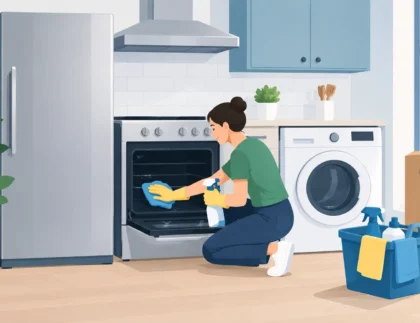
The sink area needs disinfecting around the tap base, drain and plughole. If there is a dishwasher, wipe the seals and run a hot cleaning cycle if possible. For the fridge and freezer, remove shelves and drawers if you can and wash them separately. Ovens often need the heaviest work. If there is burnt-on grease, this can take longer than expected, so allow time or bring in professional support if the property has been empty for a while.
Small details matter here. Clean extractor fans, switches, tiles, bin areas and the floor under freestanding appliances. That hidden strip beneath the fridge or cooker is usually where crumbs, grease and dust collect.
Kitchen cleaning trade-offs
Not every kitchen needs a full restoration. If the property has been professionally cleaned already, you may only need a hygiene refresh. But if there is visible grease, stale odours or signs of pests, a more thorough clean is worth doing before any food or cookware is unpacked.
Bathrooms should be cleaned for hygiene, not appearance
A bathroom can look presentable while still needing proper sanitising. Move in cleaning is about more than shine. You want clean surfaces where you brush your teeth, wash your face and store your toiletries.
Begin with the toilet, basin, bath and shower. Descale taps, showerheads and glass where needed. Check grout lines, silicone seals and around the toilet base, where staining and bacteria can build up. Mirrors, shelves and cabinets should be wiped inside and out before you fill them.
Pay attention to ventilation. Extractor covers, window ledges and radiators often get missed. If the room smells musty, check for damp patches around corners and behind the toilet. A clean bathroom should feel fresh, not just look bright under the light.
Bedrooms and living areas are easier, but still matter
These rooms usually involve less heavy-duty cleaning, but they still need a proper reset. Dust all horizontal surfaces, then clean wardrobes, drawers, shelves, sockets, switches and skirting boards. If there are marks on walls, test a small area first before scrubbing. Some paint finishes lift easily.
In living rooms, wipe around media units, radiators and window frames. If curtains are staying, check whether they need washing or at least a steam freshen. Upholstery left by a landlord or seller may also need attention, particularly if there are pet smells or visible staining.
Bedrooms deserve more care than people give them. Before you make the bed, clean the mattress surface if one is included, vacuum underneath and wipe down the bed frame. Starting with a genuinely clean sleeping space makes the first night much more comfortable.
Floors can change the feel of the whole property
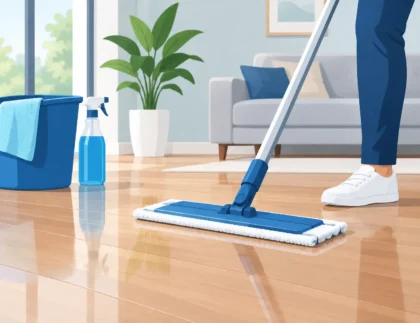
A room can be dust-free at eye level and still feel dirty if the floors are neglected. Vacuum carpets thoroughly, including edges and corners, and mop hard floors with the right cleaner for the surface. Wood, laminate, tile and vinyl all respond differently, so stronger products are not always better.
If the carpets smell stale, look patchy or show traffic marks, a deeper carpet clean may be worth arranging. This is especially true in London rentals and family homes with previous footfall, pets or long occupancy. Floors carry the history of the property, and getting them right makes a noticeable difference fast.
Don’t forget the easy-to-miss areas
This is where a good move in cleaning checklist earns its keep. The obvious surfaces usually get done. The hidden ones are what separate a quick tidy from a proper move-in clean.
Make time for:
- Door handles, light switches and plug sockets
- Behind and beneath large appliances
- Inside wardrobes, cupboards and drawers
- Skirting boards, door frames and banisters
- Window sills, internal glass and tracks
- Radiators and around pipework
- Loft hatches, utility areas and storage corners
These are the places that collect dust quietly and get ignored during routine cleaning. Once your belongings are in place, many of them become awkward to reach.
Should you clean yourself or book professionals?
It depends on the property, your time and how much cleaning has already been done. If you are moving into a small flat that has been recently maintained, you may be able to handle it yourself with a few hours of focused work. If you are taking on a larger house, an older property or somewhere that has been vacant, the job can expand quickly.
Professional move-in cleaning is often the sensible option when there are tight moving schedules, children to manage, commercial handovers or multiple rooms needing deep attention at once. A team can usually work through kitchens, bathrooms, carpets and high-level dust far faster than one person juggling boxes and key collection.
That is also where local reliability matters. In a busy city like London, delays and half-finished cleaning create stress you do not need on moving day. A responsive service with clear booking and a satisfaction-first approach helps take one major task off your list.
A realistic timeline for move-in cleaning
If you can access the property before the removals arrive, use that window. Even two or three uninterrupted hours can make a huge difference. Start with the kitchen and bathrooms, then move to storage spaces, then finish with floors.
If access is tight and you need to move in the same day, prioritise hygiene and essentials first. Clean food prep surfaces, bathroom fixtures, the bed area and the main walking routes. Decorative details can wait a day or two. The key is to make the home functional and comfortable straight away.
A smarter way to start in your new home
Moving is tiring enough without scrubbing old grease from cupboards at 9 pm while surrounded by unopened boxes. A practical move in cleaning checklist keeps the job focused, helps you avoid missed spots and makes the whole property feel like yours from the start. If the clean feels bigger than your schedule allows, getting help is not a luxury – it is often the quickest route to a calm, fresh first day in your new place.