
A rental clean is rarely about making a place merely look tidy. Whether you are a tenant hoping for a smooth handover, a landlord preparing for viewings or a letting agent turning around several homes, the best cleaning solutions for rental properties deal with the areas that get checked closely: grease, limescale, mould, carpet marks, odours and the forgotten corners behind appliances.
The right approach also protects the property. A harsh product can damage stone, strip a floor finish or dull a tap, while a rushed clean can leave behind the dirt that causes complaints. The aim is simple: a clean, hygienic home that is ready for its next occupant, without creating avoidable repair work.
What makes a cleaning solution right for a rental?
The best product is not always the strongest one. It should suit the surface, tackle the type of dirt present and be used correctly. Rental properties often contain a mix of materials – painted walls, laminate flooring, chrome fittings, ceramic tiles, glass, carpets and sometimes natural stone. One all-purpose spray is useful for routine work, but it is not the answer to every job.
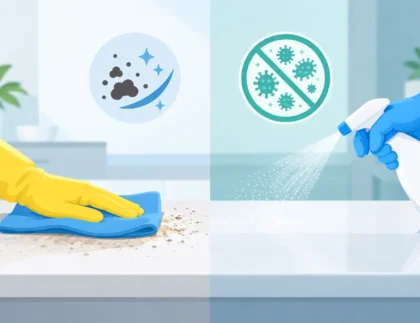
Start by separating cleaning from disinfecting. Cleaning removes visible dirt, grease and residue. Disinfecting is designed to reduce germs on high-touch surfaces such as toilet flushes, handles, switches and worktops. In most homes, cleaning thoroughly is the first priority. Disinfectant works best after the surface has already been cleaned, rather than over a layer of grime.
For landlords, consistency matters as much as product choice. Using a clear checklist and the same safe methods between tenancies helps maintain standards, spot damage early and prevent small issues becoming expensive ones.
Best cleaning solutions for rental properties by area
Kitchen: degreaser, descaler and patience
Kitchens tend to decide whether a property feels genuinely clean. Cooking grease settles on cupboards, extractor hoods, splashbacks and the tops of cabinets, while food residue builds up in fridges, ovens and drawers.
A quality kitchen degreaser is the practical choice for sealed worktops, tiled splashbacks, cupboard fronts and cooker hoods. Apply it as directed, allow it a short contact time, then wipe with a clean microfibre cloth. Spraying and immediately wiping is a common reason grease remains sticky.
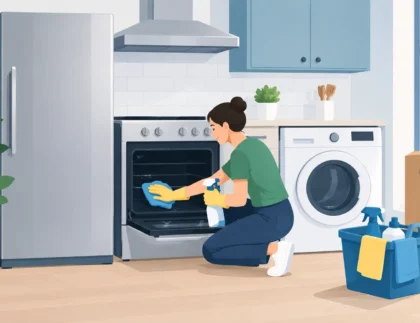
Ovens need a dedicated oven cleaner or a professional deep-cleaning method. Avoid abrasive scouring pads on glass doors, enamel interiors or chrome controls, as scratches hold grime and make future cleaning harder. For fridge interiors, a mild food-safe cleaner or warm water with a little washing-up liquid is usually enough. Remove shelves and drawers where possible, clean the seals carefully and dry everything before switching the appliance back on.
Limescale around taps and sinks requires a different product. A descaler can work well on ceramic, glass and chrome, but always check the label and surface guidance. Acidic cleaners should never be used on natural stone, including marble or limestone, where they can cause permanent dull patches.
Bathroom: treat limescale and mould separately
A bathroom can look clean at first glance while still showing signs of poor upkeep. Limescale forms around taps, shower screens and toilets. Soap scum clings to tiles and shower trays. Mould often appears on sealant, grout, ceilings and around poorly ventilated windows.
Use a bathroom cleaner or limescale remover for suitable hard surfaces, with a non-scratch sponge or cloth. Rinse well afterwards, especially around taps and shower fittings. A glass cleaner or a specialist shower-screen product can help remove water marks and leave a clearer finish, but drying the screen after cleaning is what prevents streaks.
Mould needs care. A mould treatment may improve small affected areas on tile grout or sealant, but it does not solve the moisture problem that caused it. If mould keeps returning, check extractor fans, ventilation, leaks, window condensation and damaged sealant. Bleach-based products should not be mixed with other cleaners, particularly acidic descalers, as this can create dangerous fumes. Open windows, wear suitable gloves and follow product instructions exactly.
If sealant is stained through, cracked or lifting, cleaning alone will not restore it. Replacing the sealant is often the better property-maintenance decision.
Floors and carpets: match the method to the material
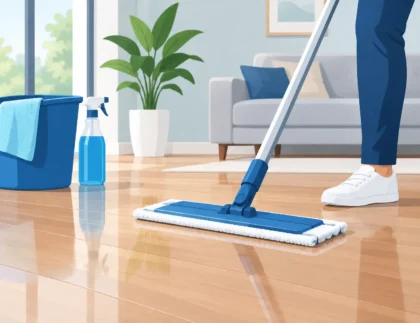
Floors take the most wear in a rental, particularly in hallways, kitchens and shared homes. Vacuum hard floors first to remove grit, then use a lightly damp mop with a cleaner made for the floor type. Too much water can damage laminate edges, lift vinyl seams and leave timber flooring looking flat.
For carpets, start with thorough vacuuming, including edges, stairs and under movable furniture. Treat fresh spots promptly with a carpet-safe stain remover, blotting rather than rubbing. Rubbing can push a spill deeper into the fibres and spread the mark.
A full carpet clean is worth considering at the end of a tenancy when there are visible stains, pet odours, heavy foot traffic or a clear difference in colour between exposed and covered areas. However, it depends on the carpet’s condition and the tenancy agreement. Professional carpet cleaning can refresh fibres and remove embedded soil, but it cannot reverse burns, bleach marks or long-term wear.
Windows, walls and high-touch points
Clean windows make a flat feel brighter during an inspection or viewing. Use a suitable glass cleaner and a clean lint-free cloth, working from top to bottom. Do not overlook frames, sills and tracks, where dust, dead insects and black residue often gather.
For painted walls, begin gently with a soft cloth and mild diluted cleaner in an inconspicuous spot. Strong chemicals, abrasive pads and excessive scrubbing can remove paint or leave shiny patches. Small marks may lift, but scuffs that have penetrated the finish may require touch-up painting rather than more cleaning.
Finish with the places people touch every day: door handles, light switches, bannisters, cupboard pulls, appliance controls and keys. These details take little time but make a noticeable difference to hygiene and presentation.
Eco-friendly choices without compromising the clean
Eco-friendly cleaning is a sensible choice for occupied rental homes, families, pets and anyone sensitive to strong fragrances. Look for biodegradable products, refill options and formulas with clear ingredient information. Concentrated products can also reduce plastic waste, provided they are diluted correctly.
That said, natural does not automatically mean suitable for every material. Vinegar is often suggested for limescale, but it should not be used on stone surfaces or mixed with bleach. Essential oils can smell pleasant, yet they are not a substitute for removing grease, mould or bacteria. Choose products based on the job, not the label alone.
Microfibre cloths are one of the simplest low-waste tools for rental cleaning. Used damp, they lift dust and dirt effectively with less product. Keep separate cloths for kitchens, bathrooms and general areas to avoid transferring grime from one room to another.
A practical end-of-tenancy cleaning order
Working in the right sequence saves time and avoids cleaning the same surface twice. Start by removing rubbish and personal items, then dust high areas, clean cupboards and appliances, and tackle bathrooms before moving to floors. Clean from top to bottom and from the furthest room towards the exit.
For a reliable handover, check these areas before you leave:
- Inside and on top of kitchen cupboards, including handles and hinges
- Oven, hob, extractor hood, fridge, freezer and appliance seals
- Shower screen, taps, toilet base, tiles, grout and bathroom extractor
- Skirting boards, doors, switches, radiators and window sills
- Carpets, corners, under furniture and hard-floor edges
Take clear, dated photographs once the property is clean. Tenants can use them alongside their inventory records, while landlords can use them to document the condition before new occupants move in.
When a professional rental clean is the sensible option
A DIY clean is perfectly workable for a well-maintained property with enough time available. But a professional service can be the practical route when a move-out date is close, the property is large, there has been building work, or grease, limescale and carpet staining need specialist attention.
At The Ultimate Cleaners, we handle rental property cleaning across London with services that can include deep cleaning, move-in and move-out cleaning, carpets and windows. We use eco-conscious products where appropriate and focus on the details that help a property feel properly ready, not just quickly wiped over.
Before booking any clean, confirm what the tenancy agreement, inventory and managing agent expect. Some check-outs require attention to particular appliances or professional carpet cleaning, while others focus on returning the home to the same standard recorded at move-in. A clear plan, the correct products and enough time to do the job properly are usually the best way to protect your property, your deposit and your peace of mind.