A freshly cleaned floor is no use if your dog can lick residue from it, or your cat starts avoiding the room because the scent is overwhelming. So, is eco cleaning safe for pets? Often, it can be a better choice than conventional cleaning, but only when the product, dilution, application and drying time are right. “Eco-friendly” is not a guaranteed safety label for every animal in every home.
For pet owners, the goal is simple: a home that is properly clean without leaving behind chemicals, fragrances or residues that could irritate curious paws, noses and mouths. Here is what to look for before you clean your London home – or book someone else to do the job.
Is eco cleaning safe for pets in practice?
Eco cleaning usually means products made with ingredients designed to have a lower environmental impact. They may be biodegradable, plant-based, refillable, phosphate-free or supplied in reduced-plastic packaging. Those are worthwhile qualities, but they do not automatically tell you whether a product is safe for pets.
A plant-derived ingredient can still cause harm if it is highly concentrated, swallowed, sprayed into the air or left wet on a surface. Equally, a conventional product used correctly and rinsed thoroughly may pose less risk than an “all-natural” cleaner used carelessly. The label, the instructions and the way the cleaner is used matter more than a marketing claim on the front of the bottle.
For most households, properly selected eco-conscious products are a sensible part of a pet-aware cleaning routine. They tend to avoid some of the harsher ingredients and heavy fragrances found in standard cleaners. However, pets are closer to floors, soft furnishings and food bowls than we are. They also groom themselves, which means residue on fur or paws can quickly become something they ingest.
What makes a cleaning product a concern for pets?
Dogs, cats, rabbits and birds do not react to cleaning products in the same way. Cats in particular can be sensitive to certain compounds because their bodies process some substances differently. Birds have extremely delicate respiratory systems, while small mammals may be exposed to more product relative to their size.
The biggest risks usually come from direct contact, ingestion and poor ventilation. A wet bathroom floor, a freshly sprayed sofa or an open bottle left within reach can be more of a problem than a cleaner used on a worktop and wiped away.
Be especially cautious with products containing strong disinfectants, bleach, ammonia, solvents, phenols, chlorine-based ingredients and high levels of fragrance. These can irritate skin, eyes and airways, and may be dangerous if swallowed. Do not mix cleaning products, even if each one is marketed as green. Mixing products can create harmful fumes or make their ingredients less predictable.
Natural fragrances need care too
Essential oils are often used to give eco products a fresh smell. That does not make them automatically pet-friendly. Tea tree, eucalyptus, citrus, pine, peppermint, cinnamon and clove oils are among the substances that may cause problems for pets, especially if concentrated, diffused heavily or applied directly to surfaces they lick.
This does not mean every product with a botanical scent is unsafe. It means fragrance should be treated as an active ingredient, not a harmless extra. If a cleaner has a strong smell that lingers, use less, improve ventilation and keep pets out until the area is fully dry and the air has cleared.
How to choose pet-aware eco cleaning products
Start with the full product information, not just words such as “natural”, “non-toxic” or “green”. Look for clear instructions, a complete ingredients list where available, dilution guidance and sensible safety warnings. A responsible manufacturer should explain how to use the product safely rather than implying it is risk-free.
For everyday cleaning, low-fragrance or fragrance-free products are often the simplest option. Choose products intended for the surface you are cleaning, because using an all-purpose product where it does not belong can leave unnecessary residue or damage the material. A mild floor cleaner is generally a better choice for hard flooring than a strong kitchen degreaser.
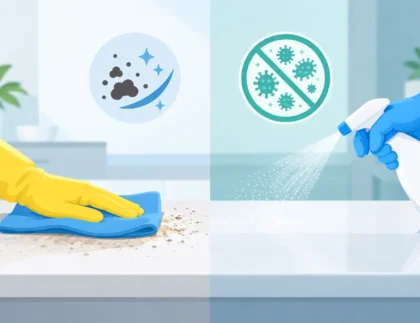
Pay attention to disinfectants too. Homes with healthy pets do not always need hospital-strength disinfection on every surface. Routine cleaning with the right product and physical wiping can remove everyday dirt effectively. Stronger sanitising products may be appropriate after illness, accidents, raw food preparation or in high-touch areas, but use them precisely as directed and keep animals away while they work.
A safer routine for floors, bowls and soft furnishings
Good cleaning habits protect pets just as much as the bottle you choose. Remove pets from the room before you begin, particularly during spraying, mopping or bathroom cleaning. Open windows where practical, and never spray directly near bedding, toys, food or water bowls.
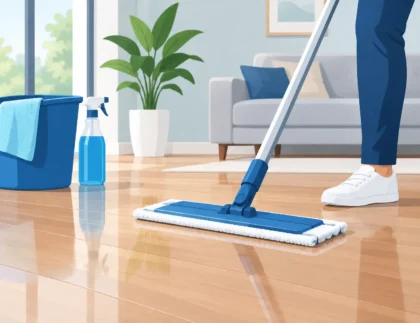
On floors, use the recommended dilution rather than adding extra product for a stronger scent or shine. Mop with a clean head, avoid soaking carpets or rugs, and allow hard floors to dry completely before pets walk across them. If your dog has a habit of licking the floor or your cat spends hours grooming after a nap, a final wipe with clean water can offer extra reassurance where the product instructions allow it.
Wash pet bowls separately from household dishes where possible. Use hot water and a mild, pet-suitable washing-up liquid, then rinse well. For beds, blankets and washable toys, check care labels and avoid strongly perfumed laundry products. Residual fragrance on a blanket may not bother you, but it can be unpleasant for an animal that sleeps with its nose against the fabric.
Carpets and upholstery deserve particular care. They trap hair, mud, dander and odours, but they also hold cleaning solution if over-treated. After carpet cleaning, make sure the area has dried fully before allowing pets back in the room. Use extraction and ventilation to reduce lingering moisture, and ask a professional cleaner exactly which products will be used if your pet has allergies, breathing issues or a history of skin irritation.
When professional cleaning is the better call
Deep cleaning after a tenancy, building work, a pet accident or a long period of heavy use involves more than a quick wipe-down. Grease, limescale, dust and embedded carpet soil can require specialist products and equipment. The safer answer is not necessarily to use the strongest chemical available – it is to use the correct treatment in a controlled way.
Tell your cleaning team about your pets before the visit. Mention their species, whether they are especially anxious, whether they are likely to escape through an open door, and any known sensitivities. A professional team can plan the order of work, keep products secure, ventilate rooms and advise when surfaces are dry and ready to use again.
At The Ultimate Cleaners, we understand that a clean home has to work for every member of the household, including the four-legged ones. Discussing eco-conscious and pet-aware product preferences before a house clean, end-of-tenancy clean or carpet service helps make the visit straightforward from the start.
Signs your pet may have reacted to a cleaner
If your pet has been exposed to a cleaning product and seems unwell, do not wait to see whether it passes. Signs can include excessive drooling, vomiting, coughing, breathing difficulty, red or irritated skin, unusual tiredness, pawing at the mouth or changes in behaviour.
Move your pet away from the area, ventilate the room and prevent further contact with the product. If cleaner is on fur or paws, rinse with lukewarm water where safe to do so. Contact your vet promptly, especially if the product may have been swallowed or symptoms are severe. Keep the packaging or take a photo of the label so the vet can identify the ingredients. Do not try to make your pet sick unless a veterinary professional specifically tells you to.
A clean home without the worry
Pet-safe cleaning is not about accepting less hygiene or filling your cupboards with complicated products. It is about choosing lower-residue options, using them at the right strength and giving surfaces time to dry. Keep bottles stored securely, use fresh air generously and be cautious with fragrance – particularly essential-oil-heavy formulas.
Your pet will not care whether the cleaner came in a fashionable refill bottle. They will care, in their own way, that the floor is dry, their bed smells familiar and their home remains a calm, safe place to curl up.