A kitchen worktop can look spotless and still carry grease, food residue or germs. That is why the real question is not whether a bottle has a green label. Is eco friendly cleaning effective when it has to deal with real life – muddy hallway floors, limescale around taps, busy office washrooms and the aftermath of a tenant moving out?
Yes, it can be highly effective. But results come from choosing the right product, using it properly and matching the method to the job. Eco-friendly cleaning is not a shortcut, and neither is conventional cleaning. A good clean depends on technique as much as what is in the spray bottle.
Is eco friendly cleaning effective for everyday mess?
For day-to-day cleaning, eco-friendly products can perform extremely well. Quality formulations are designed to lift grease, dirt, fingerprints, dust and common household stains from sealed surfaces without relying on unnecessarily harsh ingredients. Used with clean microfibre cloths, the right dilution and a little care, they leave kitchens, bathrooms, desks and communal areas properly fresh and presentable.
The practical advantage is that many environmentally conscious products are lower in strong fragrances and aggressive chemicals. That can make a noticeable difference in homes with children, pets, allergy sufferers or people who simply do not want their flat smelling like a chemical cupboard after it has been cleaned. In a workplace, it can also be more comfortable for staff and visitors, particularly in smaller or less ventilated rooms.
“Eco-friendly” does not mean weak. It usually means the product has been selected with factors such as biodegradability, ingredient impact, packaging or reduced toxicity in mind. Some formulas use plant-derived surfactants that break the bond between dirt, grease and a surface so they can be wiped or rinsed away. That is effective chemistry, not wishful thinking.
Cleaning, sanitising and disinfecting are different jobs
Confusion often starts when these three terms are treated as interchangeable. They are not.
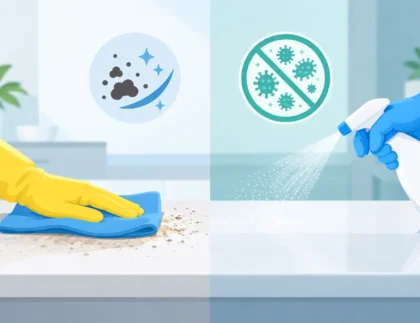
Cleaning removes visible dirt, grease and a proportion of microbes from a surface. For most routine domestic and office work, this is the key step. A clean worktop, desk, floor or washroom surface is easier to maintain and more pleasant to use.
Sanitising reduces germs to a level considered safer for normal use. Disinfecting is intended to kill or inactivate specified microorganisms and may be required in higher-risk settings. Medical facilities, food preparation areas, heavily used washrooms and spaces affected by illness can need a more targeted hygiene approach.
An eco-friendly all-purpose cleaner may be excellent at cleaning but may not be a registered disinfectant. That is not a flaw if the job only calls for cleaning. It does mean labels matter. If a product claims to disinfect, it must be used at the stated concentration and left on the surface for the required contact time. Spraying and immediately wiping it away can reduce its effectiveness, whatever the product is made from.
Where green cleaning performs particularly well
Eco-conscious methods are a strong fit for regular house cleaning, office cleaning and many shared commercial spaces. Frequent attention prevents grime from building up, so there is less need for heavy-duty treatment later. A consistent routine is often greener and more cost-effective than waiting until every surface needs an intensive rescue.
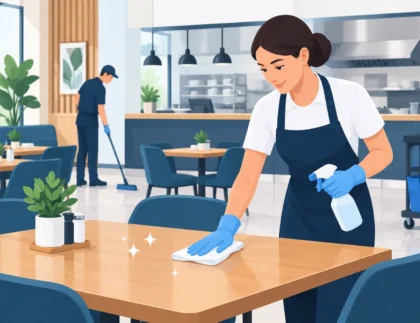
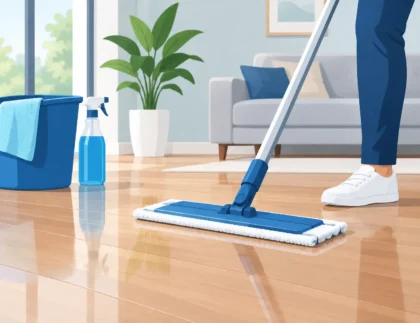
In homes, this approach works well for dusting, vacuuming, mopping hard floors, cleaning bathroom fixtures, polishing sealed surfaces and managing everyday kitchen grease. In offices, it supports a clean environment around workstations, meeting rooms, reception areas and staff kitchens without leaving overpowering scents behind.
It can also be especially useful in properties where occupants are sensitive to fragrance or where cleaners are working around people during the day. The best outcome is a clean space that feels comfortable to return to, not one that causes watery eyes or leaves a sticky chemical residue.
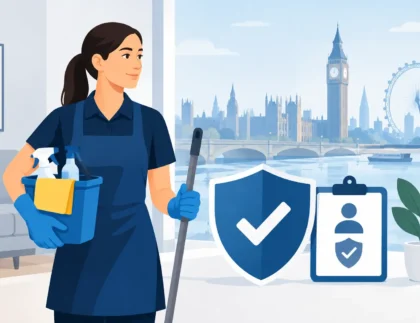
At The Ultimate Cleaners, eco-friendly products are part of making cleaning easier on the people using a property as well as the place itself. For busy London households and workplaces, that means a practical clean delivered with less fuss, not lower standards.
The jobs that may need specialist products or equipment
There are situations where an eco-friendly cleaner alone is not the full answer. Honest cleaning advice should say so.
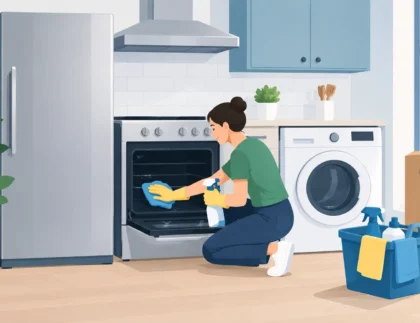
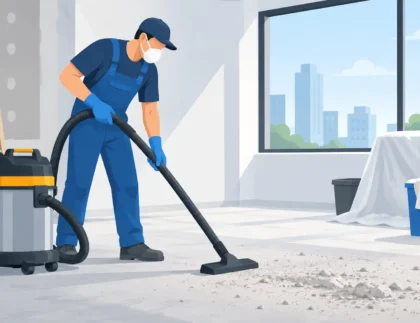
Deep limescale, baked-on oven carbon, mould, post-construction dust and old carpet staining can require specialist techniques, machinery or carefully selected stronger treatments. The same applies to a property after a leak, pest activity or a hygiene incident. In these cases, the safest and most effective plan may combine environmentally considerate products with a targeted professional-grade solution.
Carpets are a good example. A gentle cleaner can help with light marks, but embedded soil, pet odours or a red wine spill may need extraction equipment and a treatment chosen for the fibre type. Using the wrong product can set the stain, damage the backing or leave residue that attracts more dirt.
Hard water is another London reality. Mild acidic cleaners can help with routine limescale, yet years of mineral build-up around taps, shower screens and toilet rims may require more time and a specialist product. The goal should be to use the least aggressive method that achieves a proper result, then step up only when necessary.
Technique makes a bigger difference than most people think
A premium product cannot compensate for poor process. One dirty cloth moved from the toilet to the sink spreads contamination rather than removing it. A floor mop used without changing the water can redeposit dirt. Too much product can leave streaks and residue, while too little may fail to lift grime.
Professional cleaners work methodically: high to low, clean areas before dirtier ones, and separate cloths and equipment by task where needed. They allow products time to work, pay attention to touchpoints such as handles and switches, and use microfibre to capture dust rather than simply pushing it around.
For a home clean, these details keep rooms looking better for longer. For commercial cleaning, they support a more reliable standard across a whole premises, from reception to washrooms. This is why a proper cleaning plan matters more than a single “miracle” product.
A quick checklist for better results
Before choosing any cleaner, consider four things: the surface material, the type of dirt, the level of hygiene required and whether people, pets or food will be nearby. Then read the label, test an inconspicuous area where appropriate and follow the stated instructions.
Avoid mixing products, even if both are marketed as natural. Mixing cleaners can create fumes, reduce their performance or damage surfaces. For marble, natural stone, unfinished wood and delicate fabrics, choose products specifically suitable for that material or ask a professional before treating a stubborn mark.
How to spot genuinely useful eco-friendly cleaning products
Green wording on packaging can be vague, so look beyond the front label. Clear ingredients, straightforward directions, refill options, concentrated formulas and credible environmental certifications can be helpful signs. A product should also explain what it is designed to do. An all-purpose spray is not automatically suitable for a food-preparation surface, a carpet or a shower full of limescale.
Be cautious about homemade remedies being presented as a solution to every problem. Vinegar and bicarbonate of soda have limited uses, but they are not universal cleaners. Vinegar can damage natural stone, and combining bicarbonate with vinegar mostly creates a fizzing reaction that quickly loses much of its cleaning power. Simple does not always mean suitable.
Eco-friendly cleaning is most effective when it is consistent
A weekly clean of a home or a planned routine for an office prevents the gradual build-up that makes spaces harder to restore. Wiping spills promptly, vacuuming regularly, keeping washrooms stocked and addressing limescale early all reduce the need for intensive chemicals and labour later on.
For landlords and tenants, this matters during move-in and move-out cleaning too. A well-maintained property is easier to prepare for the next occupant, while a neglected one may need deeper specialist work. For businesses, a regular schedule helps maintain a professional impression without disruption to the working day.
The useful test is simple: does the method leave the surface visibly clean, appropriately hygienic for its use, safe for its material and comfortable for the people around it? When the answer is yes, eco-friendly cleaning is doing exactly what it should. Start with the right routine, call in specialist help for the difficult jobs, and let your space stay clean without making maintenance harder than it needs to be.