
A carpet can look perfectly tidy while holding onto dust, pet hair, cooking smells and the grit tracked in from a wet London pavement. The best ways to keep carpets fresh are not complicated, but they do rely on acting before dirt gets pressed deep into the pile. A small routine protects the look of your rooms, makes the space more pleasant to live or work in, and can help your carpet last longer.
Freshness is about more than fragrance. Heavy sprays may cover an odour for an afternoon, but they will not remove the residue causing it. The aim is to remove dry soil, deal with spills quickly, manage moisture and arrange a proper deep clean when everyday cleaning is no longer enough.
Start with a vacuuming routine that suits the room
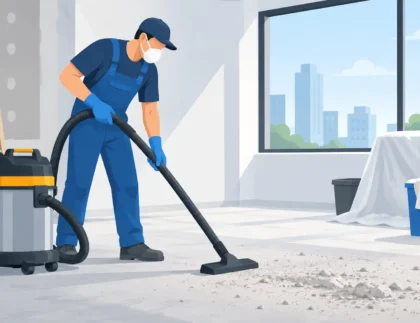
Vacuuming is the foundation of carpet care. Dry soil is abrasive, so every shoe, chair movement and footstep can rub it further into carpet fibres. Over time, this is what makes high-traffic paths look flat, dull or permanently grey.
For bedrooms and lower-use rooms, a thorough vacuum once a week may be enough. Hallways, stairs, living rooms, shared offices and reception areas often need attention two or three times a week. In a busy household with children or pets, a quick pass in the main walkways between full vacuums makes a noticeable difference.
Do not rush the job. Move slowly enough for the vacuum to lift grit from the pile, and make passes in more than one direction. Use the crevice tool around skirting boards and beneath furniture where dust gathers. If your vacuum has a brush setting, check that it is appropriate for your carpet type. A powerful rotating brush can be too harsh for delicate wool, loop-pile or natural-fibre carpets.
Empty the bin or replace the bag before it is packed full. A vacuum that is losing suction is mostly moving surface fluff around rather than removing the dirt you cannot see.
Stop outdoor dirt at the door
In London, rain, pavement dust and debris from public transport can reach a carpet surprisingly quickly. A good entrance mat is one of the simplest ways to reduce the cleaning load. Ideally, use a coarse mat outside to catch larger grit and an absorbent mat inside to pick up moisture and finer dirt.
A shoes-off policy helps in homes, particularly where there are pale carpets or young children playing on the floor. It is not practical for every business or household, so focus on what works. In an office, shop or communal area, regularly cleaning entrance mats and vacuuming the first few metres of carpet can prevent grime travelling further inside.
Consider runners in hallways, staircases and other high-footfall areas. They take the worst of the wear and are easier to wash or replace than fitted carpet. Choose a runner with a non-slip backing or secure it properly to avoid creating a trip hazard.
Treat spills promptly, but do not scrub
Most stains become difficult because they are left to dry or are treated too aggressively. When a drink, food or muddy water hits the carpet, blot it straight away with a clean white cloth or plain kitchen roll. Work from the outside of the spill towards the centre, using gentle pressure to lift liquid rather than pushing it deeper.
Avoid scrubbing. It can spread the stain, roughen the fibres and leave a fuzzy patch that catches the light. Also avoid soaking the area with water or cleaning solution. Too much moisture can leave behind a tide mark, encourage odours or cause problems with the backing beneath.
For a fresh, minor stain, use a carpet-safe cleaner according to the label and test it first in an inconspicuous corner. Different fibres react differently. Wool carpets, for example, need a gentler approach than many synthetic carpets, while strong alkaline products or bleach can cause permanent damage. If you do not know the fibre type, start cautiously.
Greasy food, red wine, coffee, ink and pet accidents all need slightly different treatment. Guesswork can set a stain rather than lift it, especially if heat is involved. For a valuable carpet, a large spill or an old mark that keeps returning, professional advice is usually the safer and more cost-effective choice.
The best ways to keep carpets fresh include odour control
Odours usually have a source: food residue, damp, pet contamination, cigarette smoke, mould or simply a build-up of everyday dust. Find that source before reaching for a scented product. A heavily fragranced room can still have an unclean carpet underneath it.
Ventilate rooms when weather allows, particularly after cooking, drying laundry indoors or dealing with a spill. Moisture is a common reason carpets begin to smell stale. If a carpet feels damp after cleaning, improve airflow and keep people and pets off it until it is fully dry.
For light everyday odours, regular vacuuming and fresh air may be all that is needed. Some households use bicarbonate of soda sparingly, leave it briefly, then vacuum thoroughly. However, it is not suitable for every carpet or vacuum, and it should never be used to disguise a urine smell or a damp patch. Fine powder can remain in the pile, while the underlying contamination continues to cause a problem.
Pet accidents deserve quick, careful treatment. Blot up as much liquid as possible, use a suitable enzyme-based product where appropriate, and allow the area to dry completely. Repeated accidents in the same spot may have reached the underlay, which is a good reason to arrange a deeper clean rather than repeatedly applying deodoriser.
Use deep cleaning at the right time
Home carpet machines can be useful for a light refresh, especially in smaller rooms, but they have limits. The main trade-off is moisture. Using too much solution, failing to extract it properly or walking on the carpet before it dries can leave a sticky residue that attracts more dirt. Poor drying conditions can also bring back musty smells.
A professional carpet clean reaches beyond the surface and removes embedded soil that vacuuming cannot shift. It is particularly worthwhile before moving into a new home, after building work, at the end of a tenancy, following a party or pet-related incident, or when a carpet looks darker around walkways despite regular care.
How often you need it depends on use. A lightly used bedroom may only need periodic professional cleaning, while a family living room, rental property, office or retail space can benefit from more frequent attention. Landlords and facilities managers should consider footfall, not just the calendar. A carpet in a busy reception may need a planned maintenance schedule to stay presentable.
At The Ultimate Cleaners, our carpet cleaning service is designed for London homes and commercial spaces that need a thorough result without the hassle of hiring equipment, moving furniture unnecessarily or spending a weekend chasing marks. Eco-conscious products and a clear booking process make it easier to fit a proper clean around your routine.
Protect the pile between cleans
Carpet fibres flatten most where people walk, sit and turn. Rotate furniture occasionally where possible, and use protective pads beneath heavy furniture legs to reduce indentations. In offices, chair mats can limit wear beneath desk chairs, although they should suit the carpet and be positioned safely.
Keep blinds or curtains closed during the strongest sunlight if your carpet receives direct exposure every day. Sunlight can fade colours over time, particularly near windows and patio doors. Regularly changing the layout of movable rugs can also help the surrounding carpet wear more evenly.
Be cautious with off-the-shelf stain protectors. Some can help repel spills, but the wrong product may alter the texture, leave residue or conflict with a manufacturer’s care guidance. If your carpet is new, expensive or made from wool, check the recommendations first.
Know when freshness is really a repair issue
Not every tired-looking carpet needs replacing. Flattened pile, local staining and surface dirt can often improve greatly with the right cleaning method. But persistent damp smells, recurring stains, visible mould, loose edges or damage to the underlay call for a closer look.
If water has soaked through after a leak or flood, do not rely on surface drying alone. Carpets and underlay can retain moisture underneath, creating conditions for mould and unpleasant odours. Fast extraction, drying and an assessment of the affected materials are more sensible than covering the smell with fragrance.
A clean carpet should feel comfortable, look cared for and support a hygienic room, whether it is a family flat in Islington or a customer-facing workplace. Keep up the small jobs, react calmly to spills, and bring in professional help when the carpet needs more than a quick vacuum. That approach keeps freshness manageable rather than turning it into a major cleaning job.